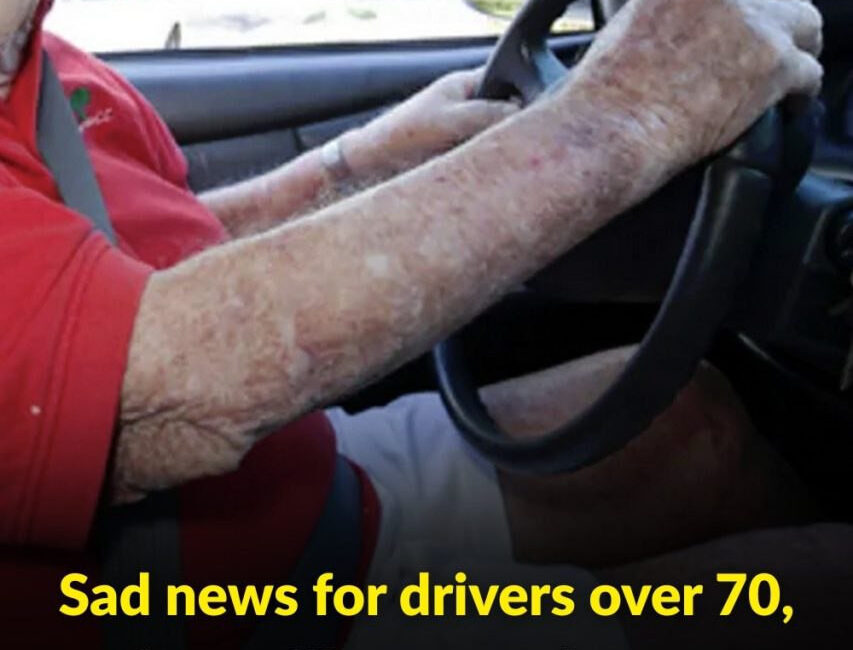
For decades, the open road has symbolized freedom. The ability to drive is more than just a practical skill; it’s a deeply rooted expression of independence, autonomy, and self-reliance. For senior citizens—especially those over the age of 70—maintaining the right to drive often means maintaining a connection to community, social life, and access to vital services. So, when changes begin to emerge that threaten that independence, it feels deeply personal and disorienting.
Unfortunately, significant changes are now being introduced that could directly impact senior drivers, particularly those aged 70 and above. This evolving landscape of driving regulations may soon mean that many older drivers will no longer be allowed to hold a valid driver’s license under new health, safety, and regulatory guidelines. What makes this particularly emotional for so many is not just the possibility of losing the right to drive—but the method by which that right could be revoked.
This article dives into the depths of these changes: what they are, why they’re happening, who will be affected, how to prepare, and the social implications that come with such sweeping policy shifts. Whether you’re approaching this age yourself or have a loved one who is, understanding the nuances is essential to navigating this road ahead.
Why Driving Matters More Than Ever for Seniors
Before diving into the rules and changes, it’s important to understand why driving is such a critical issue for people over 70. It’s not just about convenience.
1. Independence
For seniors, especially in rural or suburban areas with limited public transportation options, a car can be the only link to essential services like medical appointments, grocery stores, and family visits.
2. Mental Health and Wellbeing
The ability to drive contributes heavily to a senior’s mental health. The psychological toll of losing the ability to drive can include depression, anxiety, and a profound sense of loss. The mental transition from being mobile and independent to being reliant on others is not always smooth.
3. Financial Stability
Some seniors continue to work or operate home businesses well into their 70s. For them, driving is tied to earning potential. Losing this right can abruptly reduce opportunities to maintain financial independence.
4. Social Interaction
Driving is often the only way seniors can meet with friends, attend religious services, or participate in community events. Removing this ability may result in social isolation, a key contributor to cognitive decline.
What’s Changing? New Rules Threatening Driving Privileges for Seniors Over 70
In the interest of road safety and accident prevention, lawmakers are introducing policies that could make it increasingly difficult for seniors to maintain valid licenses after 70. These changes are part of broader transportation reform agendas being considered globally.
Let’s explore the specifics.
1. Mandatory Medical Exams
The most significant change centers on mandatory medical evaluations. Drivers aged 70 and over will be required to undergo a full medical check-up before license renewal.
This evaluation may include:
- Vision tests: Seniors will be required to demonstrate a minimum visual acuity to ensure they can read road signs and detect hazards quickly.
- Cognitive testing: Assessments may be introduced to evaluate reaction times, memory, decision-making, and multi-tasking abilities.
- Neurological evaluations: Conditions such as Parkinson’s, early dementia, or stroke effects may now lead to automatic driving disqualification.
- Mobility tests: If a senior cannot physically turn their head to check blind spots or press pedals efficiently, they may no longer qualify to drive.
2. Reduced License Validity Period
Currently, licenses may remain valid for 5 or even 10 years depending on the region. Under new proposals, drivers over 70 will only receive license renewals for 1 to 2 years at a time, with each renewal requiring re-certification.
This creates an ongoing cycle of testing, paperwork, and uncertainty for elderly drivers.
3. Age-Triggered Practical Driving Tests
In addition to medical assessments, some jurisdictions are discussing mandatory road tests for drivers over 70. Seniors may be required to pass a real-world driving exam under the supervision of a trained examiner. Failing the test—even once—could mean immediate license revocation.
Unlike younger drivers who may get multiple chances, older drivers may not have the same leniency due to “risk assessment” criteria.
4. Insurance Premium Hikes
Insurance companies are already responding to increased risk factors associated with older drivers. Premiums for those aged 70+ are climbing fast, and some providers may decline to offer policies at all to certain age brackets unless specific conditions are met (such as annual eye exams or zero-point licenses).
5. Vision-Only Restrictions
Even if a driver passes most requirements, failing the vision portion of an assessment could lead to daylight-only driving permissions, meaning the license is valid only between sunrise and sunset.
While better than a total revocation, it still limits freedom—especially in winter months when daylight hours are shorter.
Why Are These Changes Being Made?
While difficult to accept, these rules aren’t being created out of thin air. They’re being driven by a mix of data, demographics, and public safety concerns.
1. The Surge in Senior Drivers
Due to increased life expectancy and better health, more people are driving well into their 70s and 80s. This demographic shift means a higher proportion of drivers on the road are seniors.
While many are perfectly competent drivers, statistics show an uptick in accidents involving drivers over 75—particularly those related to judgment errors, delayed reaction times, and medical incidents behind the wheel.
2. Medical Risk Factors
Age increases the likelihood of medical events such as strokes, heart attacks, or fainting—all of which can be catastrophic if they happen while driving. Authorities see proactive medical screening as a way to prevent tragedies.
3. Vision Decline
One of the biggest impairments tied to driving performance is vision. Glaucoma, macular degeneration, and cataracts disproportionately affect seniors. The failure to see properly—especially at night or in low-contrast conditions—makes older drivers statistically more vulnerable to accidents.
4. Political and Public Pressure
Every high-profile accident involving a senior driver reignites the debate. When an elderly driver is involved in a fatal crash, particularly one where a child or pedestrian is harmed, public outcry puts immense pressure on lawmakers to act swiftly and decisively.
Who Will Be Affected?
It’s not just drivers over 70 who should pay attention. These changes affect:
- Elderly individuals who rely on cars for daily needs
- Caregivers and families who support older loved ones
- Seniors in rural or suburban areas without access to reliable public transit
- Elderly small business owners or workers who depend on driving for income
- Health professionals who may need to evaluate and report patient fitness to drive
The Emotional Toll of Losing the Right to Drive
For many seniors, driving is more than mobility—it’s identity. The moment they surrender their license is often accompanied by feelings of:
Click page 2 for more