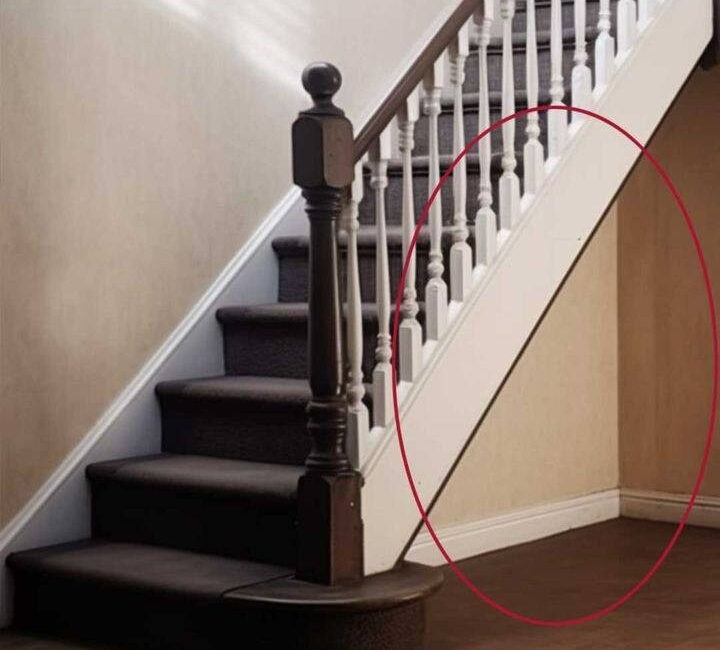
When we think about home design and clever renovations, the area under the staircase often flies under the radar — tucked away, awkwardly shaped, seldom used. Many shrug and call it “dead space.” Yet, that assumption couldn’t be further from the truth. With smart planning and creative execution, the under‑stairs zone transforms into one of the most valuable, high‑impact areas in your home: a storage powerhouse, a cozy library nook, a slick home bar, a work‑from‑home command center, or even a charming children’s hideaway.
In this comprehensive, SEO‑friendly article, we’ll explore how to unlock that potential. We’ll cover: why this space offers a unique opportunity, the key design and logistical hurdles you’ll face, a detailed “menu” of high‑value uses, step‑by‑step guidelines to convert it, plus bonus tips to maximize cost‑effectiveness and designer flair. Whether you’re renovating your hallway or optimizing your living room, this article gives you the blueprint to turn that “wasted under‑stair” zone into a feature that adds utility and aesthetic value.
Why the Space Under Your Stairs Is an Undervalued Asset
1. Often overlooked — yet structurally significant
The area beneath a staircase is physically present in nearly every home, yet it’s rarely treated as a real, usable room. This makes it a “hidden asset.” Because the space is already in place, you dodge the need for expensive construction of a new room. All you need is smart design to unlock its potential.
2. Premium square footage in a compact footprint
Because the space is tucked under the stairs, it doesn’t typically infringe on major living or circulation areas. That means you get more usable area for fewer trade‑offs. For example: instead of squeezing storage into your living room or hallway, you can reclaim the under‑stairs space.
3. High return on investment
When executed properly, converting this zone boosts the perceived and real value of your home. Whether it’s a hidden pantry, a cloakroom, a kids’ den or an office nook—these are upgrades that buyers and guests notice. You turn “dead space” into an innovation, raising the quality of the home.
4. Flexibility = design “free card”
The under‑stairs zone is flexible. Sloped ceilings, odd angles, shallow depth—all of these can seem like limitations—but they become design opportunities. Because this area is rarely “in full view” like a primary room, you can get creative with custom cabinetry, built‑in solutions, or use of niche shapes that wouldn’t be viable elsewhere.
5. Efficient use of vertical and hidden zones
In standard rooms, you use walls, floors, ceilings. Under the stairs, you can extend into the floor area, the step risers, the side walls, even the void of the stair structure. This hidden dimension means you can optimize storage and utility in ways that might feel intrusive in a conventional room.
In short: what many deem “dead” is actually latent. A clever homeowner or designer sees latent potential and reclaims it.
Key Design & Logistical Considerations Before You Start
Before you rush to tear out drywall or pop open doors, there are technical details and strategic decisions to address. These will determine how effective, durable and functional your under‑stair conversion becomes. Think of them as the “nuts and bolts” that underpin a successful transformation.
A. Measure thoroughly — depth, height, access
- Height: Under a staircase, the head‑height changes as you move from front to back. The low end might be only 70 cm, the high end 210 cm. Understanding clearance helps define what you can physically do (standing workspace vs. seated bench vs. drawer zone).
- Depth: How far does the space extend from front to back? Is it only shallow (say 60 cm) or deep (1.2 m+)? This affects what functions are feasible.
- Access & opening: How will you access it—via a door, sliding panel, open niche? If the door is too small or awkward, it will limit usability.
- Surrounding constraints: Are there gas or plumbing lines, load‑bearing elements, ventilation ducts, or electrical wiring passing through? These may complicate conversion.
B. Structural & building code issues
- Load bearing: The staircase may sit on or adjacent to supporting walls. Ensure modifications don’t compromise structural integrity.
- Fire safety: In some homes, the under‑stair area is required to be fire‑sealed if it forms part of an egress route.
- Plumbing / ventilation (if needed): For uses like a cloakroom or laundry nook, plumbing and drainage may be required—and those bring major cost and code issues.
- Electrical & lighting: Because the space is typically dark and hidden, proper lighting is critical. Planning wiring, power outlets and any ventilation is important early.
C. Shape & slope
- The sloped underside of the stair defines the envelope. Designing custom cabinetry or built‑ins must contend with the angled ceiling.
- Resist treating it like a “normal room” — instead embrace the shape. A seat, a bench, drawers, slanted shelving—they all work with the slope rather than fighting it.
D. Visual integration & access usability
- Because the space is tucked away, how it “reveals” to the rest of the home matters. A flow‑friendly access door or open niche looks better than a hacked‑in cupboard.
- Ensure you can use the space: if access is awkward or the lowest height just forces you to crouch permanently, the utility drops dramatically.
E. Budgeting & value‑added thinking
- Because you’re modifying an existing space rather than building new, it can be cost‑effective—but hidden costs (plumbing, electrical, custom cabinetry, lighting) can escalate.
- Think in terms of “value per square metre” and “utility per dollar.” A clever under‑stairs use may yield far more value than a typical room extension.
High‑Value Conversion Uses: 12 Ideas That Make Big Impact
Here’s a detailed menu of possible uses for under‑stair space. For each use, you’ll find design rationale, build considerations, and why it’s high‑value for both everyday life and property‑value enhancement.
1. Dedicated Storage Zone & Pull‑Out Drawers
One of the most immediately feasible uses: build custom‑fitting storage drawers or cabinets beneath the stairs. Think seasonal items, boots/coats, sports gear, suitcases, cleaning equipment.
Why it’s smart: It prevents hallways and living rooms from being cluttered and unlocks volume you’re not currently using.
Design tips: Use the stair riser depth for shallow drawers; deeper toward the back for larger storage; install smooth‑glide runners; match cabinet doors to your trim for a seamless look.
Impact: Boosts home organization, looks polished, adds value by maximizing usable storage footprint.
2. Entryway Boot Room / Mudroom Bench
If your staircase is near the entrance, convert the zone into a boot‑room style bench with hooks, cubbies and seating for removing shoes or storing coats and bags.
Why it’s smart: It addresses a common pain point—clutter at the front door—while making intelligent use of otherwise wasted space.
Design tips: Add a built‑in bench with lift‑top storage, overhead coat hooks or pegs, beneath‑bench cubbies for shoes, and strong lighting. Use easy‑clean floor materials.
Impact: Makes entrances more functional and inviting; buyers appreciate purposeful entry zones.
3. Compact Home Office / Work Nook
With remote work increasingly common, the area under the stairs can be transformed into a discrete workstation: desk, shelves, cable management, task lighting.
Why it’s smart: It uses a hidden corner rather than commandeering a full room, preserving primary rooms for their intended use.
Design tips: Ensure at least 80–90 cm head‑height for seated work; install a floating desk or wall‑mounted unit; integrate shelves; include power outlets; ensure proper ventilation and lighting.
Impact: Adds a “bonus” workspace in your home, which increases desirability for future owners.
4. Children’s Reading Nook / Play Den
If you have kids or imagine a cozy corner for reading/relaxing, under‑stairs space is ideal for a cushioned nook, built‑in bookshelves and soft lighting.
Why it’s smart: It creates a “room within a room” and adds charm and personality to the home.
Design tips: Add built‑in lower bookshelves, a bench or floor cushions, cozy lighting (strip LED or wall sconce), perhaps a curtain or sliding door for “den” feel. Use durable materials.
Impact: Delightful selling point for families; maximizes space without competing with primary living areas.
5. Wine Rack or Display Cabinet
For homes with a wine collector or a strong entertaining ethos, turning the underside into a wine‑storage feature can be very high value: glass‑front rack, LED lighting, wine cooler appliance maybe.
Why it’s smart: It turns an awkward zone into a sophisticated design feature rather than hiding it away.
Design tips: Use climate‑controlled glass doors if you store serious wine; integrate racking following the slope of the stairs; highlight with accent lighting; ensure spill‑safe flooring.
Impact: Adds a “wow” factor, elevates perceived luxury of the home.
6. Pantry or Auxiliary Kitchen Storage
If the stairs are adjacent to a kitchen, converting the underside into a pantry, larder or storage zone for kitchen goods and small appliances is a brilliant use.
Why it’s smart: Kitchen storage is always at a premium, and you’re adding it without expanding your footprint.
Design tips: Ensure shelving is adjustable to accommodate tall items; use sliding doors for access in tight hallways; add lighting; think of wiring if you add microwaves or small appliances.
Impact: Improves kitchen function, reduces clutter, boosts value by improving “work triangle” and storage capacity.
7. Cloakroom / Powder Room
One of the highest‑impact conversions: installing a small toilet and basin under the stairs. It requires plumbing and drainage, but if feasible, it adds a full extra function to the home.
Why it’s smart: It turns previously unused space into an actual room, increasing functional rooms count.
Design tips: Use compact fixtures (corner basin, wall‑mounted toilet), ensure conforming with plumbing codes, consider ventilation, use sliding or pocket doors to save space.
Impact: High value‑add; often cited as a selling point in homes (“downstairs cloakroom”). The return on cost can be significant.
8. Pet Zone / Pet Center
If you’re an animal‑lover, the space under the stairs makes a great dedicated zone for pet beds, bowls, coat hooks, leash storage and perhaps built‑in crates.
Why it’s smart: Many homes struggle with where to accommodate pets; giving them a home‑base prevents your main living areas from being taken over.
Design tips: Frame the area with durable easy‑clean surfaces, add drawers/cubbies for toys and gear, consider insulation if the space is drafty.
Impact: Adds personality and practicality; speaks to buyers who also value pet‑friendly homes.
9. Mini‑Bar or Coffee Station
Under‑stairs space can be carved out to become a sleek entertainment‑zone feature: bar cabinet, fridge or wine cooler, open display shelves for glassware, mood lighting, countertop for serving.
Why it’s smart: It elevates the home’s entertainment capability and gives a strong design focal point.
Design tips: Use durable surfaces, integrate undercabinet lighting, ensure ventilation for any appliances, include power. A sliding or folding door can hide the bar area when not in use.
Impact: Adds “style” and uniqueness to the home; memorable features often sway buyer impression.
10. Laundry/Utility Zone
Click page 2 for more