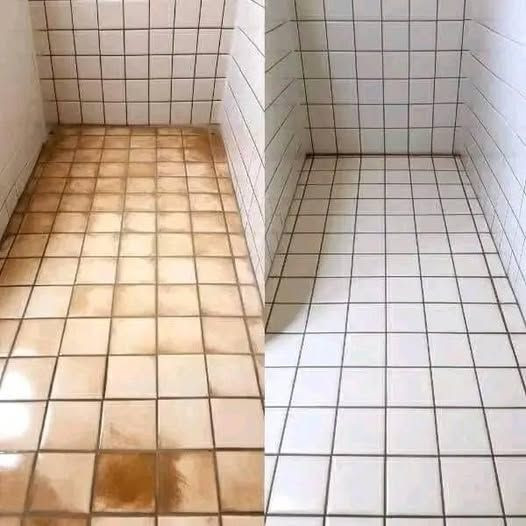
- Sprinkle Baking Soda: Generously sprinkle baking soda over tiles affected by soap scum or water deposits.
- Spray Vinegar: Fill a spray bottle with vinegar and spray over the baking soda. Expect fizzing – this reaction helps break down buildup.
- Let Sit: Leave the mixture on the tiles for 5-10 minutes.
- Scrub: Use a sponge or brush to scrub away softened deposits.
- Rinse: Thoroughly rinse with warm water and dry.
Important: Avoid vinegar on marble, granite, or other acid-sensitive stones to prevent etching.
Polishing and Shining Tiles with Baking Soda and Olive Oil
After cleaning, you can enhance the shine of ceramic or porcelain tiles using a natural polish made from baking soda and olive oil.
Ingredients:
- ¼ cup baking soda
- 2 tablespoons olive oil
Instructions:
- Mix Ingredients: Combine baking soda and olive oil to form a smooth paste.
- Apply: Using a soft cloth, apply the paste over dry tiles in circular motions.
- Buff: Buff the surface gently until tiles regain a natural shine.
- Remove Excess: Wipe away any excess with a clean cloth to avoid a greasy residue.
This method nourishes tiles, helps repel dust, and restores lustrous brightness.
Regular Maintenance: Baking Soda Sprinkle and Mop
For routine tile maintenance and odor control, baking soda can be used as a sprinkle-and-mop solution.
Instructions:
- Sprinkle: Lightly sprinkle baking soda over tiled floors or countertops.
- Mop: Mop with warm water and a mild detergent or simply water. Baking soda deodorizes and gently lifts light dirt during mopping.
- Rinse and Dry: Rinse mop water thoroughly and dry tiles for streak-free results.
Tips for Using Baking Soda to Maximize Tile Cleanliness and Shine
- Use Microfiber Cloths or Soft Brushes: These tools work best with baking soda to avoid scratching tiles.
- Avoid Overusing Water: Excess water can penetrate grout and underlying surfaces causing mold and mildew issues. Use damp mops or cloths.
- Always Test First: Especially for natural stone tiles, test any baking soda mixture in a small hidden area to ensure no adverse effects.
- Rinse Thoroughly: Residual baking soda can leave a white, powdery film. Proper rinsing is crucial for gleaming tiles.
- Don’t Mix with Harsh Chemicals: Baking soda works best alone or with natural ingredients like vinegar or hydrogen peroxide but should never be mixed with commercial bleach or ammonia cleaners.
- Use Warm Water to Activate Cleaning Agents: Warm water helps activate baking soda and vinegar’s cleaning properties better than cold water.
Common Questions About Baking Soda and Tile Cleaning
Can baking soda damage tiles?
When used correctly, baking soda is safe and gentle on most tiles. Its mild abrasive quality helps clean without scratching. However, avoid scrubbing aggressively on delicate surfaces like natural stone or glass tiles.
Is baking soda better than commercial tile cleaners?
Baking soda is a safe, cost-effective, and versatile cleaner ideal for routine and deep cleaning. While some commercial cleaners may be stronger for extreme stains, baking soda provides excellent results without harmful chemicals and is environmentally friendly.
How often should I clean tiles with baking soda?
For high-traffic areas, cleaning with baking soda once a week helps maintain shine and hygiene. For deep cleaning grout and stubborn stains, use baking soda paste treatments monthly or as needed.
Can baking soda remove mold and mildew?
Yes, baking soda can help remove mold and mildew by deodorizing and breaking down the spores when combined with hydrogen peroxide or vinegar. For severe mold, professional treatments may be required.
Conclusion: Baking Soda Is Your Go-To Natural Tile Cleaner
If you want your tiles to look spotless, gleaming, and fresh without harsh chemicals, baking soda is a must-have cleaning ally. From everyday cleaning to tough stain removal, baking soda’s mild abrasive action, deodorizing properties, and stain-fighting alkalinity make it an exceptional natural cleaning agent.
Its affordability, eco-friendliness, and safety for families and pets make it ideal for all households. When paired with simple ingredients like water, vinegar, or hydrogen peroxide, baking soda transforms your tile cleaning routine—eliminating grime, whitening grout, removing odors, and restoring shine.
By following the detailed methods shared above and tailoring them to your tile type, you can enjoy sparkling clean tiles that enhance the beauty and hygiene of your living spaces for years to come.