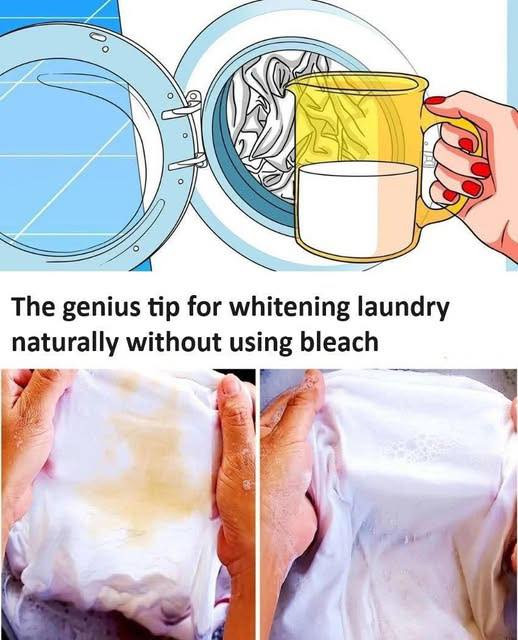
Below are specific agents, how they work, and where to apply them.
Lemon Juice
- Contains citric acid, a natural bleaching agent.
- Great for pre‑treating yellow or rust stains.
- Mix with salt or baking soda for a slightly abrasive paste.
- Use lemon slices or juice in wash cycles for washable fabrics; avoid acids on delicate fibers.
Baking Soda (Sodium Bicarbonate)
- Mild alkaline, deodorizer, and residue remover.
- Neutralizes acidic stains and natural oils.
- Use ½ cup per full load in machine wash, or make paste for stains.
Hydrogen Peroxide (3% Solution)
- Key oxygenation agent, safe and effective.
- Use in place of chlorine bleach in natural whitening routines.
- Add about 1 cup to full load of whites, or ¼‑½ cup if local water is already warm.
White Vinegar
- Acetic acid loosens mineral deposits, softens, and helps brighten.
- Works as a fabric softener alternative.
- Add in rinse cycle; use ½ cup to 1 cup depending on load size.
Sunlight
- UV light naturally breaks down stains and brightens.
- Line‑drying whites in sunlight boosts brightness.
- For delicate fabrics, place inside shade but with light exposure; avoid overexposure that can yellow some fabrics.
Non‑Chlorine Oxygen Bleach Alternatives
- Powdered or granular forms with sodium percarbonate.
- Mix with warm water to activate.
- Use for heavy loads, sheets, linens.
6. Combining Methods: Synergy for Maximum Whitening Power
Combining agents often leads to far stronger results than using one alone. Here are some combinations that work beautifully:
- Lemon juice + salt + sunlight: Pre‑treat stain area, place garment in sun.
- Baking soda + vinegar: Fizzy reaction lifts stains; good for odor and brightening.
- Hydrogen peroxide + baking soda: Powerful oxygenation, especially on cottons.
- Oxygen bleach + warm water + full soak: For heavy linens or bed sheets.
Be cautious: never mix chlorine bleach with acids or hydrogen peroxide. Stick to natural combinations with oxygen, mild acids, alkali and heat.
7. Step by Step Guide: Whitening Laundry Naturally Without Bleach
Here is a detailed, practical routine you can follow for your white laundry. Adapt based on fabric type, climate, water quality.
A. Sorting
- Divide whites by fabric type: cottons, blends, delicates.
- Separate “whites that are dull/yellowed” from “fresh whites”.
- Wash heavily soiled or old whites separately.
B. Pre‑Treatment
- Spot treat stains
- Fresh stains: rinse as soon as possible with cold water.
- Set‑in stains: make a paste of baking soda + water (or hydrogen peroxide + baking soda) and let sit.
- Acidic soak option
- For protein stains (blood, sweat): soak fabric in cold water with a few tablespoons of lemon juice or a splash of white vinegar.
- Light abrasion for underarms
- Use baking soda paste, gently rub, allow 15‑20 minutes before main wash.
C. Main Wash Routine (Using the Star Method)
- Fill the wash with warm to hot water (within fabric’s safe range).
- Add natural whitening agent(s):
- Option A: ½ to 1 cup hydrogen peroxide.
- Option B: oxygen powder bleach alternative (as per package for same strength).
- Option C: lemon juice + baking soda combination.
- Use high quality detergent designed to keep fabrics bright (optical brighteners are ok, but natural methods often bypass need).
- Add fabric softener alternative: white vinegar, especially in rinse cycle.
- Soak time: For heavily stained or yellowed items, soak 1‑2 hours (or overnight for robust fabrics like cotton). Less time for delicate fabrics.
- Agitation & wash cycle: Use longer wash cycles with extra rinsing if possible.
D. Drying & Finishing
- Line drying in sun: Sunlight helps naturally bleach and freshen whites.
- Air dry or tumble dry on low heat for blends/delicates.
- Inspect whites before storing: If still dull, repeat pre‑treatment/wash.
8. Additional Pro Tips for Bright Whites
To maintain brilliance over time, follow these best practices.
Avoid Fabric Softeners That Yellow
Many commercial softeners leave residue that builds up and causes dulling. Use vinegar or wool dryer balls instead.
Water Temperature Matters
- Warm to hot water activates oxygen and peroxide agents best.
- But check fabric labels; blends and delicates may need cooler water.
Detergent Quality & Load Size
- Use detergents formulated to preserve brightness; natural or eco‑friendly options with enzymes help.
- Don’t overload machine—crowding prevents water and agents from circulating properly.
Preventing Dinginess Before It Happens
- Rinse sweaty garments quickly.
- Air garments rather than bunched or damp in dark places.
- Wash whites frequently; don’t let soil time deeply penetrate fibers.
Storage
- Store whites in cool, dry place.
- Avoid plastic bags that trap moisture.
- Add baking soda sachets or cedar to reduce musty smells.
9. Troubleshooting & Common Problems
Even with best practices, you may bump into issues. Here’s how to address them:
| Problem | Possible Cause | Natural Solution |
|---|---|---|
| Whites look yellow after wash | Residue from detergent, hard water minerals, oxidized sweat | Add white vinegar rinse; use oxygen bleach; soak in lemon juice |
| Fabric turning gray | Mixing with colored items; not enough soap or rinse | Re‑wash separately with whitening agents; ensure full rinsing |
| Stains not removed (coffee, wine) | Not pre‑treated; stain set by heat | Pre‑treat immediately; use peroxide + baking soda soak; warm water |
| Underarm yellowing | Sweat + deodorant buildup; bleach made worse | Use paste of baking soda + hydrogen peroxide; wash regularly; switch to natural deodorant |
| Discoloration/mottling | Prolonged exposure to acids or sun; uneven agent distribution | Shorten sun exposure; distribute whitening agents; wash in smaller loads |
10. Eco‑Friendly & Cost‑Effective Considerations
One of the biggest advantages of natural whitening methods is the cost savings and sustainability. Here are key takeaways to maximize those benefits.
- Use everyday household items: baking soda, lemon, vinegar are inexpensive and often on hand.
- Reduce energy usage: use heat sensibly; let sun and ambient warmth help when possible.
- Lower chemical load: safer for septic systems; minimal environmental impact.
- Longer lifespan for fabrics: you preserve fabric by avoiding harsh bleach, saving money in the long run.
Final Thoughts
Whitening laundry naturally without using bleach isn’t just a possibility—it’s a smart, cost‑effective, eco‑friendly revolution in your laundry routine. By leveraging the genius tip of oxygenation + heat + time, combined with pre‑treatment, natural agents such as lemon, baking soda, hydrogen peroxide, and sunlight, you can achieve brilliant whites that rival bleach‑washed results—but safely, gently, and sustainably.
Focus on fabric care, regular maintenance, and prevention: keeping soiled whites from setting in, sorting loads carefully, using quality detergent and rinse agents, and making sure drying is done properly. Over time, you’ll find your laundry stays brighter, fresher, and more pristine—no harsh chemicals, no faded damages, just beautifully bright whites.