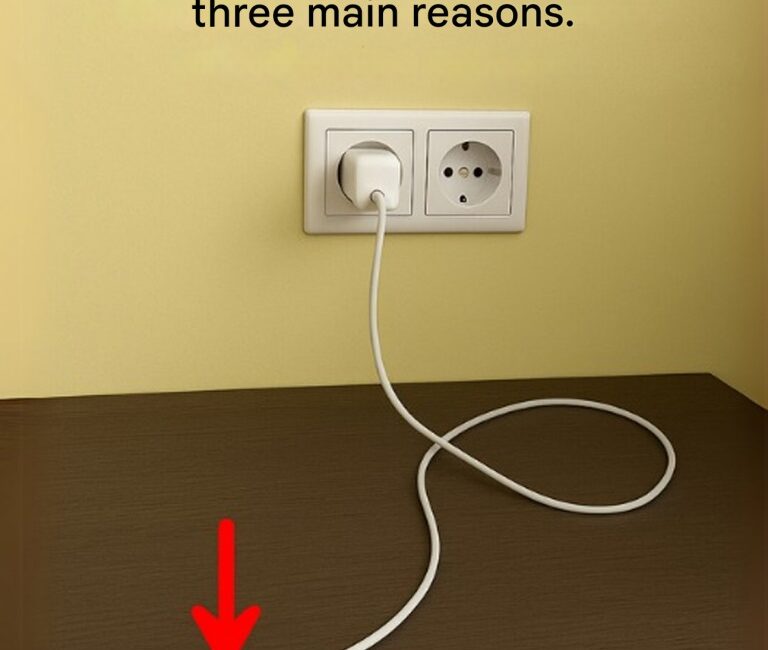
In our modern digital world, staying connected is paramount. Smartphones, laptops, tablets, and a myriad of electronic devices dominate our daily lives, and charging these gadgets has become a routine task. Placing a charger “on standby” — that is, leaving it plugged into an electrical outlet even when not connected to a device — might seem harmless or even convenient. After all, who wants to fumble around searching for a charger when their battery is running low? It’s a simple gesture that most people perform unconsciously, without much thought about the potential implications.
But what if this seemingly innocent habit has unexpected consequences? What hidden impacts does keeping a charger plugged in have on energy consumption, household safety, environmental sustainability, and even your electricity bills? This in-depth article explores the multifaceted consequences of leaving chargers on standby, shedding light on overlooked aspects and offering practical advice to mitigate risks and optimize energy use.
Understanding Charger Standby: What Does It Mean?
Before diving into the consequences, it’s crucial to understand what exactly “charger on standby” means.
A charger on standby refers to the state when a power adapter remains plugged into a wall socket but is not actively charging a device. In this mode, the charger still draws a small amount of electricity, known as phantom load or vampire power, despite no connected device.
Modern chargers, such as those for smartphones or tablets, are designed to consume very little power when idle, but collectively, this standby power usage can add up, especially in households with multiple chargers and devices.
The Hidden Energy Drain of Chargers on Standby
Phantom Energy Consumption: The Silent Electricity Drinker
The term phantom energy consumption refers to electricity used by electronic devices while turned off or in standby mode. Chargers, game consoles, televisions, and many appliances draw power even when not actively in use. Chargers, in particular, are notorious for this because they are often left plugged in indefinitely.
While each individual charger consumes a small amount—typically between 0.1 to 0.5 watts—this can add up substantially in homes with numerous chargers, especially when multiplied by thousands or millions of households worldwide.
How Much Energy Are We Talking About?
Consider a household with five chargers plugged in but not in use, each consuming approximately 0.3 watts. That amounts to 1.5 watts continuous consumption. Over a year, this translates to:
- 1.5 watts x 24 hours x 365 days = 13.14 kilowatt-hours (kWh) per year
While this might seem minimal, across millions of homes, it represents a significant energy drain. Some estimates suggest phantom loads from chargers and other devices can account for up to 10% of residential electricity consumption.
Impact on Electricity Bills
Even small continuous power draws accumulate to increased electricity bills. While a single charger’s cost impact might be negligible, the cumulative effect of multiple devices and chargers left on standby can raise monthly bills noticeably.
For budget-conscious households or those with limited energy resources, reducing phantom load is an easy way to trim electricity expenses.
Environmental Impact of Chargers Left on Standby
Increased Carbon Footprint
Electricity generation still relies heavily on fossil fuels such as coal, oil, and natural gas in many regions. Every kilowatt-hour of electricity consumed contributes to carbon dioxide (CO2) emissions, a major driver of climate change.
By leaving chargers on standby, you are indirectly increasing your household’s carbon footprint. The continuous, seemingly small drain multiplies into significant environmental impact when aggregated at community, city, or national levels.
Resource Waste and Energy Inefficiency
Apart from carbon emissions, wasted energy represents inefficient use of natural resources. Fossil fuel extraction, power plant operations, and electricity transmission all have environmental costs.
Reducing phantom load from chargers is a simple way to conserve energy resources and promote sustainability.
Safety Risks Associated with Chargers on Standby
Risk of Electrical Fires
Although chargers are designed with safety features, leaving any electrical device plugged in for extended periods increases the risk of electrical faults, which can potentially lead to fires.
Over time, chargers may experience wear and tear, degradation of internal components, or damage to cables. Standby power implies a constant flow of current, which might exacerbate these issues.
Overheating and Damage
Some chargers generate heat even when not actively charging devices, especially low-quality or counterfeit units. Overheating can cause damage to electrical outlets, wiring, or even the charger itself, potentially creating hazardous situations.
Electric Shock Hazard
Damaged chargers or frayed cables left plugged in can pose an electric shock risk, particularly in households with children or pets.
The Psychology Behind Leaving Chargers on Standby
Convenience and Habit
The primary reason many people leave chargers plugged in is convenience. Having a charger always ready to use eliminates the hassle of plugging and unplugging.
Moreover, once formed, this behavior becomes habitual and automatic, making it harder to change without conscious effort.
Lack of Awareness
Many individuals underestimate the energy consumption and safety risks associated with chargers on standby. The invisible nature of phantom load means it doesn’t trigger immediate concern.
Perceived Low Impact
People often rationalize leaving chargers plugged in by assuming the energy consumption is negligible, not realizing the cumulative consequences.
The Financial Costs of Chargers on Standby: Breaking It Down
How Much Does It Cost to Keep a Charger Plugged In?
The average household electricity rate varies globally but hovers around $0.12 per kilowatt-hour in many regions.
Click page 2 for more