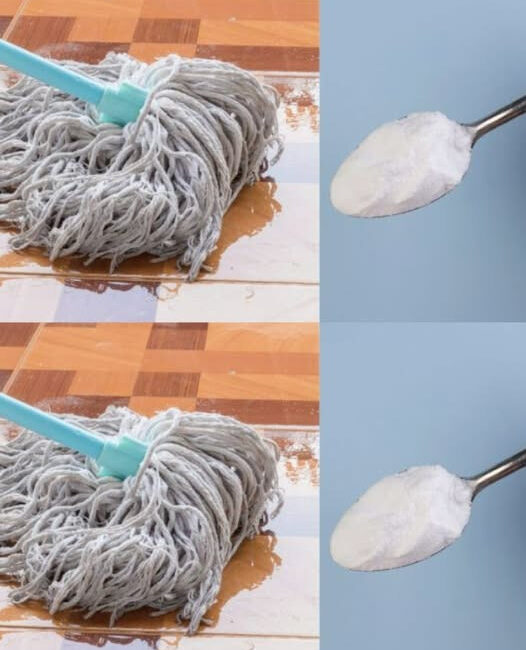
- Prepare the Ingredients: Start by gathering all your ingredients. Measure out the white vinegar, baking soda, and castile soap. If you’re using essential oils, choose a scent you like and prepare the drops. You may also want to use a funnel to make it easier to pour the ingredients into the bottle.
- Mix the Solution:
- In a large mixing bowl or a mop bucket, combine the hot water with the white vinegar and baking soda.
- Stir the mixture until the baking soda is fully dissolved.
- Add the castile soap and stir gently. The soap will help create a smooth, effective cleaner that won’t leave residue on the floor.
- If you’re using rubbing alcohol or dish soap, add them at this stage.
- Drop in the essential oils and stir the solution to evenly distribute the scent and antibacterial properties.
- Transfer to a Spray Bottle or Mop Bucket:
- If you’re using a spray bottle, carefully pour the mixture into the bottle. You can use a funnel or transfer the solution using a measuring cup.
- If you’re using a mop bucket, you can leave the solution there and start mopping right away.
- Start Cleaning:
- For Spray Bottle Method: Simply spray the floor lightly and then wipe it down with a microfiber cloth, mop, or sponge. The solution will clean the surface without leaving streaks, and the scent will dissipate naturally.
- For Mop Bucket Method: Dip your mop into the solution and wring it out so it’s damp, not soaking wet. Mop the floor as usual, starting at one corner and working your way toward the exit.
- Let It Dry: The beauty of this recipe is that it doesn’t require rinsing! Once you’ve mopped the floor, simply let it air dry. The mixture will quickly evaporate, leaving behind a fresh, streak-free floor with no residue.
Tips for Different Floor Types
While this no-rinse floor cleaner works for most surfaces, there are a few tweaks you can make depending on the type of flooring you have.
1. Hardwood Floors
Hardwood floors are delicate and can be easily scratched or damaged. Use the cleaning solution sparingly on hardwood and ensure the mop is only damp, not wet. Too much moisture can warp or damage the wood. Additionally, you might want to add a few drops of olive oil to your cleaning solution to help nourish the wood.
2. Tile Floors
Tile floors are easy to clean and respond well to this no-rinse floor cleaner. Use a slightly more concentrated solution for stubborn stains or grout lines. You can also add a teaspoon of tea tree oil for extra antimicrobial properties.
3. Laminate Floors
Laminate floors are a breeze with this DIY cleaner. Laminate can be prone to streaking, so be sure to mop with a damp, not soaking, mop. You can add a bit of rubbing alcohol to help speed up drying and reduce streaking.
4. Vinyl Floors
Vinyl is resilient, but you should still avoid using too much water. The no-rinse floor cleaner works great for vinyl floors, leaving them sparkling clean and smelling fresh.
Final Thoughts: Why This No-Rinse Cleaner is a Game-Changer
This DIY no-rinse floor cleaner recipe is incredibly effective, versatile, and budget-friendly. It provides an environmentally-conscious, non-toxic way to keep your home spotless without the need for multiple cleaning products. The ingredients are simple, affordable, and easy to find in most homes.
By making your own floor cleaner, you can ensure that you’re cleaning your home with safe, natural ingredients while saving time and money. Whether you have hardwood, tile, laminate, or vinyl floors, this cleaner works wonders without leaving any residue or requiring an extra rinsing step. So, grab your ingredients, mix up a batch, and get ready to experience the easiest, most efficient floor cleaning solution you’ve ever used!
Happy cleaning!