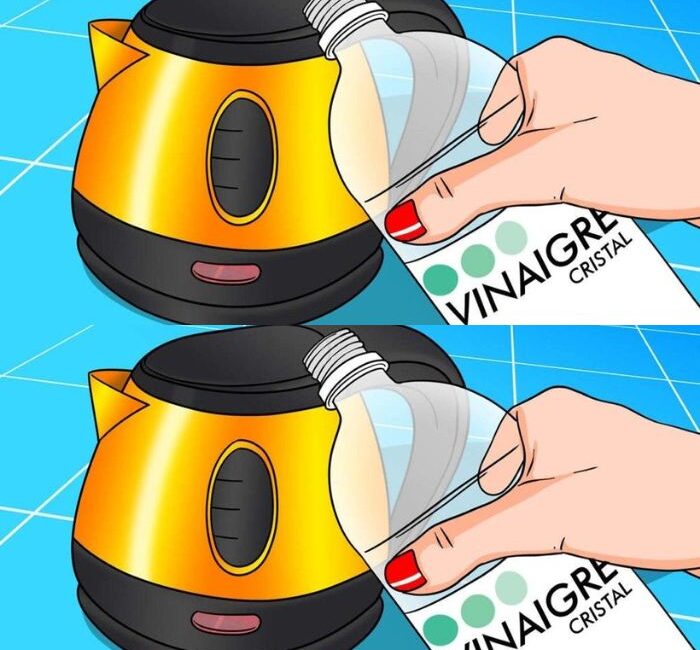
If there are visible mineral deposits or hard-to-reach areas, you can use a soft cloth or a sponge to gently scrub the interior of the kettle. A toothbrush can also be used for scrubbing around the heating element or in tight corners. However, be sure to avoid using any abrasive materials that could scratch the kettle’s interior.
Step 5: Rinse Thoroughly
Once you’ve scrubbed the kettle and removed any remaining deposits, empty the vinegar solution and rinse the kettle thoroughly with clean water. You may want to fill the kettle with clean water and boil it once or twice to make sure all traces of vinegar are gone.
How Often Should You Clean Your Kettle with Vinegar?
Monthly Cleaning
For most households, cleaning the kettle once a month is sufficient. However, the frequency of cleaning depends on several factors:
- Hard Water: If you live in an area with particularly hard water, you may need to clean your kettle more often. Hard water contains higher levels of minerals, so your kettle is likely to accumulate limescale more quickly. In such cases, cleaning every two weeks might be necessary.
- Light Use: If you don’t use your kettle as frequently, monthly cleaning should be enough to keep it in top condition.
- Soft Water: If you live in an area with soft water, you may not notice significant limescale buildup. In this case, cleaning once every few months may suffice.
Ultimately, it’s a good idea to keep an eye on your kettle’s performance and clean it more frequently if you notice any issues like slower boiling times, strange tastes, or visible limescale buildup.
Other Uses for Vinegar Around the Home
Vinegar is a true multi-purpose cleaning hero in the kitchen and beyond. Here are a few more ways you can use vinegar in your home:
1. Coffee Maker Cleaning
Just like your kettle, coffee makers also accumulate mineral deposits. To clean your coffee maker, run a vinegar-water solution through the machine, then rinse it several times with clean water. This will remove any built-up limescale and ensure your coffee tastes fresh every time.
2. Cleaning Faucets and Showerheads
Vinegar is excellent for removing limescale from your bathroom fixtures. Soak a cloth in vinegar and wrap it around your faucets or showerheads. Leave it for 30 minutes and then wipe it off. It’s an easy and effective way to restore shine and prevent buildup.
3. Removing Odors
Vinegar naturally neutralizes odors. Placing a small bowl of vinegar in your fridge, garbage can, or bathroom will help absorb unwanted smells. It’s a natural, non-toxic way to keep your home smelling fresh.
Conclusion: A Simple, Cost-Effective Solution
Cleaning your kettle with vinegar once a month is a small but powerful habit that can have a big impact on both your appliance’s lifespan and the quality of your water. It’s an affordable, natural solution that eliminates mineral buildup, improves taste, and keeps your kettle running efficiently. Best of all, it’s an eco-friendly alternative to commercial descalers that can be expensive and filled with harsh chemicals.
So, next time you’re about to fill your kettle for a hot drink, take a moment to think about its long-term health. Pour in some vinegar, give it a boil, and keep your kettle in top condition for years to come. It’s a small investment that will pay off in the long run—ensuring that every cup of tea, coffee, or hot water you make is just the way you like it.