A kettle is one of the most frequently used appliances in any household. Whether you’re boiling water for your morning coffee, preparing a cup of tea, or simply filling up a pot for soup, the kettle is at the center of daily life. But, like many appliances, over time, the kettle can start to show signs of wear and tear. The most common problem, however, is something that almost every kettle owner faces: limescale buildup.
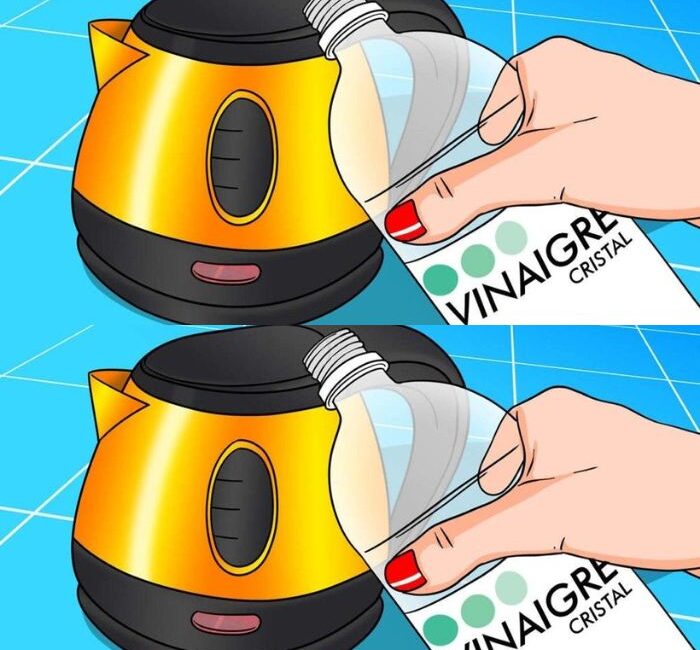
Limescale buildup can affect the performance of your kettle, lead to unpleasant tastes in your water, and even damage the appliance. But there’s a simple, natural, and inexpensive solution to this problem: pouring vinegar into the kettle once a month.
Sounds easy, right? But how does vinegar help, and why should you be doing this regularly? Let’s explore why pouring vinegar into your kettle once a month is one of the best habits you can adopt for both your kettle’s health and the quality of your daily hot beverages.
The Problem We All Have: Limescale and Mineral Buildup
What Is Limescale?
Limescale is a tough, chalky deposit made up of calcium and magnesium that forms when hard water is heated. Hard water contains dissolved minerals, and when you heat this water, those minerals are left behind as solid deposits. Over time, these deposits build up in your kettle, particularly around the heating element and inside the water chamber.
If you live in an area with hard water, you are probably no stranger to limescale buildup. It can cause a variety of issues, from the appearance of white or yellow crusty stains in your kettle to increased boiling times and even a subtle, off-putting taste in your water.
But the worst part of it all is that limescale can be hard to remove, and it negatively impacts the efficiency of your kettle. Fortunately, this is a problem you can solve easily with a natural, inexpensive solution—vinegar.
Why Vinegar Works: The Science Behind It
The Role of Acidity
Vinegar, especially white distilled vinegar, is a natural acid. Its acetic acid content is mild, but strong enough to dissolve mineral deposits like calcium and magnesium, which make up limescale. The key to its effectiveness lies in its acid-base reaction with the mineral buildup in your kettle.
When you pour vinegar into your kettle and boil it, the acetic acid in the vinegar reacts with the calcium carbonate (the main component of limescale) and breaks it down into calcium acetate, water, and carbon dioxide. This reaction dissolves the mineral deposits, which are left floating in the water as small particles, making them easy to rinse away.
This gentle yet effective cleaning process means that vinegar doesn’t just clean the kettle—it also prevents the buildup from accumulating and keeps your kettle working efficiently. Vinegar acts as a natural, eco-friendly descaler, which is why it’s such a powerful, yet safe tool for routine cleaning.
The Benefits of Using Vinegar to Clean Your Kettle
1. Removes Limescale and Mineral Deposits
The primary benefit of using vinegar in your kettle is that it removes limescale and other mineral deposits. This is especially important for people living in areas with hard water. Over time, mineral deposits can form layers on the heating element and other parts of the kettle, reducing its heating efficiency. A thick layer of limescale will increase the amount of time it takes to boil water, wasting energy and increasing your electricity bill.
By using vinegar regularly, you can dissolve this buildup and maintain the kettle’s original performance.
2. Improves the Taste and Quality of Water
Do you ever notice a strange, metallic or earthy taste in your water, especially if it’s been sitting in the kettle for a while? This is likely due to the presence of mineral deposits that have been left behind by hard water.
When limescale accumulates, it can give your boiled water an unpleasant taste, which can affect the flavor of your tea, coffee, or any other drink. Regularly cleaning your kettle with vinegar eliminates these mineral deposits and improves the taste of your water, ensuring a clean, fresh experience every time.
3. Increases Kettle Lifespan
Cleaning your kettle regularly with vinegar is an excellent way to extend its lifespan. Mineral deposits can wear down the heating element of your kettle over time, eventually leading to malfunctions or reduced efficiency. This can cause your kettle to work harder, use more energy, and potentially break down prematurely.
By using vinegar to clean your kettle once a month, you can reduce the stress on the heating element and prevent long-term damage. This simple habit can keep your kettle running like new for years, saving you money on replacements.
4. Saves Money on Commercial Descalers
You may have seen descaling solutions at the store, which are marketed as powerful cleaners for kettles, coffee makers, and other appliances that deal with mineral buildup. However, these products are often expensive and contain harsh chemicals that are not always necessary. White vinegar, on the other hand, is a natural, affordable, and highly effective solution that can be used not just for cleaning kettles, but for a wide variety of household tasks.
By switching to vinegar, you save money on commercial descalers, while also avoiding unnecessary chemicals in your home.
5. Eco-Friendly and Non-Toxic
Vinegar is one of the safest, most environmentally friendly cleaning solutions you can find. Unlike many commercial cleaning products, which often contain harmful chemicals that can pollute the environment or irritate the skin, vinegar is completely non-toxic and safe for children, pets, and the planet.
It’s also biodegradable, meaning that any leftover vinegar in the kettle or sink won’t harm the water supply.
Step-by-Step Guide: How to Clean Your Kettle with Vinegar
Now that you know why vinegar is so effective, here’s the simple step-by-step process for cleaning your kettle with vinegar.
What You’ll Need:
- White distilled vinegar
- Water
- A soft cloth or sponge
- A toothbrush (optional, for scrubbing hard-to-reach spots)
Step 1: Fill the Kettle with Vinegar and Water
Start by filling your kettle with an equal mixture of vinegar and water. For example, if your kettle has a 1-liter capacity, fill it with 500 ml of vinegar and 500 ml of water. The more vinegar you add, the stronger the descaling solution will be, but a 1:1 ratio is effective in most cases.
Step 2: Boil the Solution
Turn on the kettle and let the vinegar-water mixture come to a boil. As the water heats up, the vinegar’s acidity will begin to break down the mineral deposits inside your kettle. This process is gentle but effective, and it ensures that even stubborn limescale buildup is dissolved.
Step 3: Let It Sit
Once the water has boiled, turn off the kettle and leave the vinegar solution inside for 15 to 30 minutes. This allows the vinegar to continue working on dissolving the limescale, and gives the solution time to break down any stubborn deposits. If the buildup in your kettle is particularly bad, you can let it sit for up to an hour.
Step 4: Scrub the Interior (Optional)
click page 2 to continue