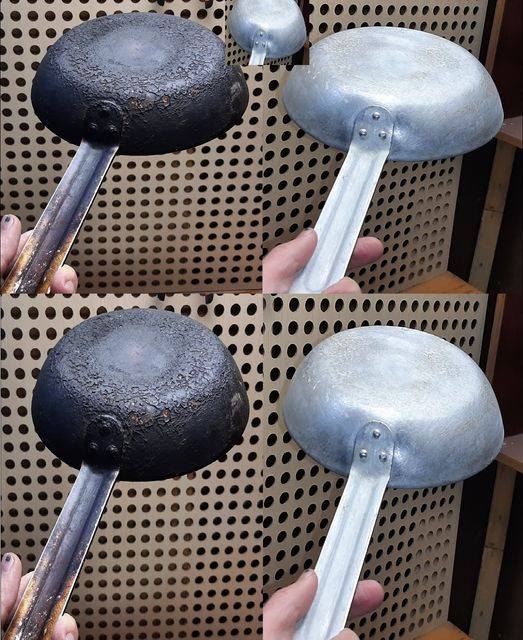
Frying pans, essential kitchen companions in every home, are often subjected to wear and tear, especially if they’re used regularly for high-heat cooking. One of the most persistent problems many people face with their frying pans is the buildup of carbon deposits. These unsightly and stubborn marks are the result of food residue burning onto the pan’s surface, leaving behind dark, hardened patches that seem nearly impossible to remove.
If you’ve ever had trouble with a frying pan that looks more like a charcoal slab than a cooking tool, you know how frustrating it can be. Not only does the pan lose its aesthetic appeal, but the carbon buildup also affects the cooking process, potentially making food stick, cook unevenly, or even impart a burnt flavor.
But don’t worry—there’s hope! With the right approach, you can restore your frying pan to its former glory and get it looking as good as new. The best part? You don’t need expensive cleaning products or complicated tools. You just need a few common ingredients, a bit of time, and some patience.
In this guide, we’ll walk you through the most effective methods to clean your frying pan from strong carbon deposits, giving you the best remedies to make your cooking surface sparkle again.
Understanding Carbon Deposits
Before we dive into cleaning techniques, it’s important to understand what carbon deposits are and why they form.
What Are Carbon Deposits?
Carbon deposits are essentially burnt food particles that have fused with the metal surface of your frying pan. These deposits form when oils, fats, or food scraps get stuck to the pan’s surface, then burn at high temperatures over time.
When you cook with oil, particularly oils with a low smoking point (like olive oil), they can break down and form carbon, especially when exposed to high heat. The carbon then bonds with the metal of the frying pan, creating a thick layer of grime that can be difficult to scrub away. This is what gives your pan that dark, scorched look, and it’s often resistant to ordinary dish soap or water.
If left unchecked, carbon deposits can make your frying pan less effective at cooking, lead to uneven heat distribution, and even ruin the flavor of your food.
Why You Should Clean Carbon Deposits from Your Frying Pan
You might wonder, “Why go through the trouble of cleaning this tough carbon buildup?” Here are some important reasons why maintaining a clean frying pan is crucial:
1. Better Cooking Performance
The most obvious reason for cleaning carbon deposits is that it restores your frying pan’s functionality. Carbon buildup can affect the heat distribution of your pan. It forms an insulating layer that prevents even heat from reaching the food you’re cooking. This can cause uneven cooking or burning, leading to unsatisfactory results.
By cleaning the carbon, you ensure that your pan will heat up evenly, cook food properly, and make your meal preparation much easier and more efficient.
2. Prevents Further Damage
The longer carbon deposits remain on your frying pan, the harder they become to remove. Additionally, these deposits can cause long-term damage to the cooking surface. Over time, if not cleaned, the carbon can wear down the non-stick coating (in the case of non-stick pans) or corrode the metal of the pan itself, reducing its lifespan.
By cleaning your pan regularly, you’re essentially extending its longevity, saving money in the long run, and making sure your frying pan stays in top condition.
3. Improved Hygiene
The buildup of carbon deposits can also contribute to food contamination. The charred bits of food that remain stuck to the pan can collect bacteria or mold over time, especially if you store your frying pan without cleaning it. Regular cleaning helps maintain better hygiene, ensuring that every meal you cook is safe and clean.
4. Prevents Off-Flavors
If carbon deposits are left on your pan for too long, they can impregnate the food with burnt flavors. For instance, if you cook a delicate fish fillet in a pan covered with carbon, the burnt flavor will transfer to the food, ruining the taste. A clean frying pan ensures that your meals taste fresh and vibrant, without any unwanted smoky or burnt aftertaste.
How to Clean a Frying Pan from Strong Carbon Deposits: The Best Remedies
1. The Power of Baking Soda and Water
One of the simplest and most effective ways to remove carbon deposits from a frying pan is by using baking soda. Baking soda is mildly abrasive, making it perfect for scrubbing away stubborn carbon buildup without damaging the pan’s surface. It’s also an alkaline substance, meaning it can break down grease and burnt food particles.
What You’ll Need:
- Baking soda
- Water
- A scrub brush or sponge
- A pot scraper (optional)
Steps:
- Sprinkle baking soda: Begin by sprinkling a generous amount of baking soda over the surface of the frying pan, focusing on the areas with the most carbon buildup.
- Add water: Pour a small amount of water over the baking soda to form a paste. You don’t need too much water—just enough to make a thick, spreadable paste.
- Let it sit: Allow the baking soda paste to sit on the carbon buildup for 15–30 minutes. This will give it time to break down the carbon and make it easier to scrub away.
- Scrub the surface: After the paste has had time to work, use a scrub brush or sponge to scrub the pan. Focus on the carbon-heavy areas and apply more baking soda as needed.
- Rinse and repeat: If necessary, repeat the process until the pan is free of carbon deposits. Make sure to rinse thoroughly with warm water to remove any residue.
Why It Works:
Baking soda’s natural abrasiveness helps to lift and scrub away the carbon deposits, while its alkaline properties dissolve grease and oils. Together, these properties make it an excellent option for tackling stubborn carbon stains without damaging the pan.
2. The Vinegar and Baking Soda Method
If the carbon deposits on your frying pan are particularly stubborn, you can combine the cleaning power of baking soda with the acidity of white vinegar to create a powerful cleaning solution. Vinegar, being mildly acidic, helps break down tough grease and burnt food particles.
What You’ll Need:
click page 2 to continue