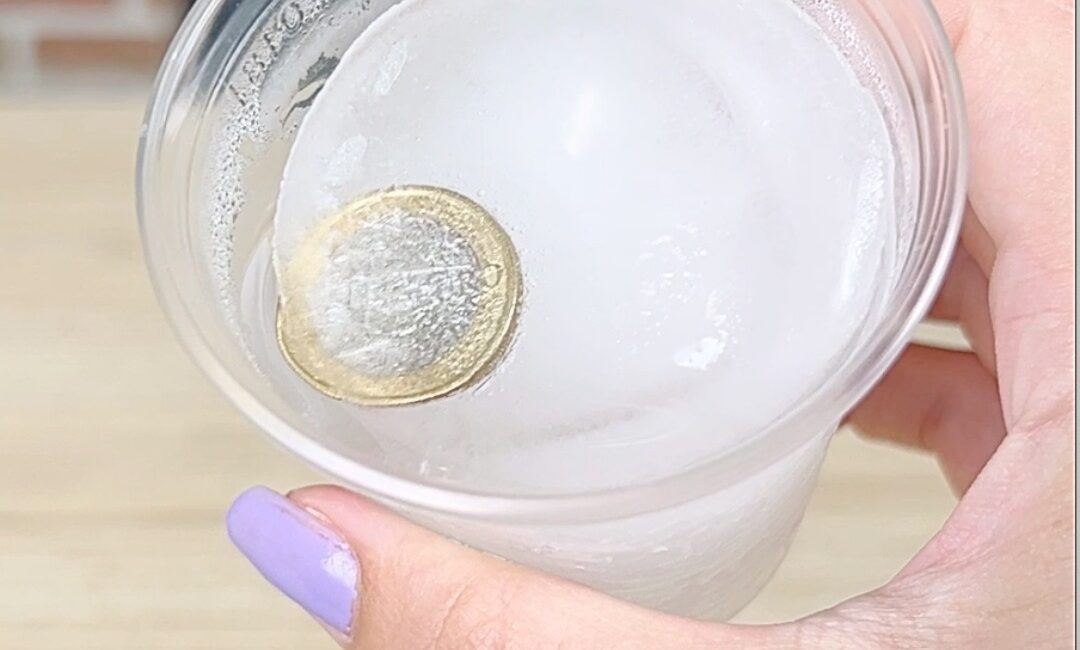
One of the most common reasons for a freezer malfunction is a power outage. If your home loses power for an extended period, the freezer will no longer maintain the proper temperature, leading to food defrosting and spoiling. The coin trick can easily reveal this problem. When the power comes back on and the freezer starts freezing again, the melted ice will refreeze, and the coin will sink to the bottom of the cup.
Without this trick, you might return home to a fridge full of spoiled food without realizing that a power outage caused the issue.
2. Freezer Failure Due to Mechanical Problems
Freezers are appliances with complex mechanisms, and sometimes, they simply stop working. A faulty thermostat, broken compressor, or malfunctioning fan can cause the freezer to warm up, even if it’s plugged in and turned on. With the coin-in-the-freezer hack, you’ll know right away if something went wrong.
For example, if the freezer’s internal temperature rises and causes the ice to melt, the coin will have sunk to the bottom, giving you a clear indication of the problem.
3. A Sudden Change in Home Conditions
If you’re traveling in the winter months and experience a power outage, your freezer might still be somewhat effective if the house stays cold enough. On the flip side, if you’re traveling during hot months and the freezer isn’t keeping up, the coin will provide you with the necessary information. It can also be useful if the door is not closing properly, which can let warm air in and cause the freezer to malfunction.
4. Long-Term Vacations or Extended Absences
If you’re going on an extended trip—say, a month-long vacation, business assignment, or extended travel abroad—this trick is a simple way to monitor the health of your appliances while you’re far away. Since freezers can fail gradually and you may not notice the temperature change right away, a coin placed in the freezer before you leave ensures you will be alerted to any potential issues as soon as you return.
Additional Tips for Leaving Home Safely During Your Vacation
While the coin-in-the-freezer hack is brilliant for ensuring your freezer is in working condition, there are some other precautions and steps you can take to safeguard your home before leaving on vacation.
1. Turn Off Non-Essential Appliances
If you’re going to be away for an extended period, you might want to consider unplugging appliances that are not essential, such as small kitchen gadgets, toasters, and coffee makers. This can reduce the risk of an electrical issue while you’re away.
2. Set Your Refrigerator to a Low Setting
While you can’t always control a power outage or mechanical malfunction, setting your refrigerator and freezer to a lower temperature can help ensure your food stays fresh for longer if the power goes out. Be mindful not to set it too low, or you risk causing unnecessary energy consumption.
3. Check for Leaks and Moisture
Before leaving, ensure that there are no leaks in the refrigerator or freezer that could cause water damage while you’re away. Wipe down the interior, check seals, and look for any potential signs of issues that might go unnoticed if left unchecked for weeks.
4. Alert a Trusted Neighbor
If you have a trusted neighbor or friend, let them know you’re leaving and ask them to check on your home once in a while. This adds an extra layer of protection in case something goes wrong while you’re away.
Conclusion
The coin-in-the-freezer trick is a simple yet brilliant way to ensure that your freezer is in perfect working condition while you’re on vacation. It’s an easy, low-cost hack that provides invaluable peace of mind. By following this straightforward method, you’ll return home to a fully functional freezer, safe from spoiled food or potential appliance failure.
Next time you’re preparing for a trip, don’t forget to place a coin in the freezer. It may seem like a small step, but it can save you from a lot of stress, frustration, and wasted food. Your future self will thank you for it!
Safe travels!