When insects or rodents invade your home, they don’t simply inconvenience you — they threaten your comfort, health, hygiene, and sometimes even structural integrity. A bed bug infestation leads to sleepless nights and itchy bites. Cockroaches spread pathogens in kitchens or bathrooms. Flies are nuisance vectors. Ants may invade food. Mice chew wiring or damage insulation. Fleas afflict pets and people. Wasps pose sting risks.
You want more than “spray and hope” — you want fast elimination, lasting control, and smart prevention. To succeed, you need to understand each pest’s behavior and weaknesses, choose the right tools, act decisively, and maintain vigilance.
In this in‑depth guide you’ll find:
- Principles of pest control & integrated pest management
- Fast elimination techniques organized by pest type
- Safe use of chemicals or non‑chemical alternatives
- How to treat furniture, clothing, cracks, crevices, hiding spots
- Steps for long‑term prevention and exclusion
- Safety, precautions, and when to call professionals
By the end, you’ll have a full playbook for making your home inhospitable to pests, and restoring peace, hygiene, and comfort.
Overarching Principles of Pest Elimination
Before diving into pest‑specific tactics, it helps to ground yourself in a few universal principles. These guide your approach and help minimize wasted time or risk.
1. Integrated Pest Management (IPM) Mindset
Follow a layered, holistic approach combining:
- Sanitation & habitat reduction — remove food, water, shelter that pests need
- Exclusion & sealing — block entry points, cracks, gaps, holes
- Monitoring & inspection — use traps, sticky boards, visual checks
- Targeted treatments — spot applications, baits, gels, sprays, heat, freezing
- Follow‑ups & maintenance — reapply, monitor, repair, recheck
This reduces reliance on heavy chemicals and ensures more sustainable control.
2. Identify the Pest & Understand Behavior
You must correctly identify what you’re dealing with. A bed bug requires a different approach from a cockroach or mouse. Understand:
- Habits (night vs day, feeding, hiding places)
- Life cycle (egg, nymph, adult)
- Weaknesses (heat, desiccation, baits, freezing)
- Preferred shelters (cracks, seams, wall voids, baseboards, furniture)
With the right identification, your elimination is faster, more precise, and less wasteful.
3. Attack at All Vulnerable Stages
Don’t just kill the adults. You must disrupt eggs, larvae or nymphs, and prevent reinfestation. That means applying control in layers: residual treatments, baiting, mechanical removal, and preventive exclusion.
4. Use Multiple Methods (Mechanical + Chemical + Environmental)
Relying on a single treatment (say, only spray) often fails. A combination of vacuuming, steam, traps, powders, gels, sealing, and chemical tools is more effective.
5. Safety, Timing & Dwell Periods Matter
Always read labels, follow safety protocols, ventilate, protect humans/pets/clothing. Respect dwell times (how long a treatment must remain undisturbed to kill pests). Plan treatments when you can vacate rooms or minimize exposure.
Eliminating Bed Bugs
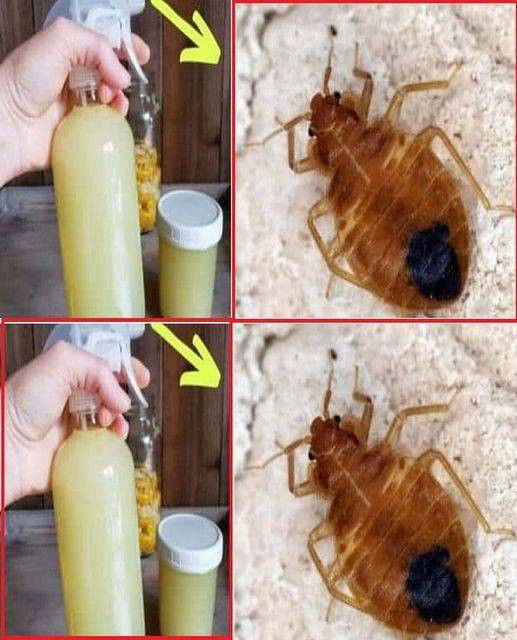
Bed bugs (Cimex lectularius and related species) are a notoriously tough pest. They hide in mattress seams, bed frames, wall cracks, baseboards, headboards, behind wallpaper, inside electrical outlets, and more. But with persistence and technique, you can eliminate them.
Step 1: Preparation & Inspection
- Declutter the room. Remove clothing, bedding, toys, and light items; isolate them in sealed plastic bags.
- Vacuum all surfaces — mattress, box spring, bed frame, headboard, floor, baseboards, wall edges. Use a crevice tool. Immediately empty vacuum contents into a sealed bag and discard outside.
- Disassemble bed frame / furniture to inspect cracks, screw holes, joints.
- Use a flashlight and magnifier to seek bed bug evidence: shed skins, tiny black fecal specks, eggs (tiny white), live bugs.
- Wash all removable fabrics (bedsheets, pillowcases, curtains) in hot water (≥ 60 °C) and dry at high heat (≥ 50 °C) for at least 30 minutes. Heat is lethal to bed bugs.
Step 2: Heat / Steam Treatment
- Steam is among the safest and most effective non-chemical treatments. Use a steamer that delivers at least 100 °C (212 °F) steam, and slowly pass over mattress seams, edges, cracks, joints, baseboards. The key is to move slowly so the heat penetrates deep into hiding areas.
- Whole-room heat treatment: If feasible, heating a room to ~50–55 °C for several hours kills all life stages of bed bugs. This often requires specialized equipment or professional help.
Step 3: Application of Residual & Contact Treatments
- Use residual insecticides labeled for bed bug control (e.g. certain pyrethroids, neonicotinoids, desiccant dusts) on baseboards, wall perimeter, cracks, furniture frames — only where safe and permitted.
- Desiccant dusts (e.g. diatomaceous earth, silica gel) are effective: they absorb lipids from bed bug exoskeletons, causing dehydration and death. Apply thin, even layers into voids, cracks, behind moldings.
- Use contact sprays (e.g. direct kill sprays) for visible bugs, but they often lack residual effect.
- Use interceptors or traps under bed legs to catch bugs as they attempt to climb.
Step 4: Follow-Up Treatment & Monitoring
- Seal cracks, crevices, baseboard gaps with caulk or sealant to reduce future hiding places.
- Reinspect weekly for 6–8 weeks.
- Reapply residual/dust treatments where infestations persist.
- Encase mattress and box spring in bed bug–proof encasements (zippered, sealed covers).
- Reduce clutter around the bed area to minimize hiding places.
With diligence, bed bug elimination can succeed — but failure often occurs when eggs or hidden colonies survive unaddressed.
Combating Cockroaches
Cockroaches (German, American, Oriental, etc.) thrive in kitchens, bathrooms, drains, wall voids, appliances, and hidden damp areas. They reproduce rapidly, so quick targeted action is crucial.
Step 1: Sanitation, Food & Water Removal
- Clean all kitchen surfaces, sinks, stovetops, and floor crevices thoroughly.
- Store food in sealed containers, don’t leave pet food out overnight.
- Fix leaky pipes, eliminate moisture. Cockroaches need water sources.
- Remove garbage and ensure trash bins are sealed.
Step 2: Inspection & Harborage Identification
- Identify cockroach hideouts: under sinks, behind appliances, in basements, wall voids, behind refrigerators or stoves, cracks and crevices.
- Look for droppings (coffee‑ground like pellets), ootheca (egg cases), shed skins, greasy trails.
Step 3: Baits & Gel Application
- Cockroach baits are highly effective. Use gel bait in small dabs around known cockroach paths (along baseboards, cabinets, under appliances).
- Baits should be placed in cracks, gaps, under appliances, behind large objects — not in open areas.
- Use slow-acting gel baits so roaches feed and carry poison back to others, achieving colony knockdown.
Step 4: Residual Sprays, Dusts & Fogging
- Use residual insecticide sprays along baseboards, cracks, voids, behind appliances.
- Use insecticidal dusts (e.g. boric acid, diatomaceous earth) in voids, cracks, under appliances. Boric acid is effective when cockroaches walk through it and groom it off their legs, ingesting it.
- Fogging or total release aerosols can be used as an interim knockdown, but they often don’t penetrate deeply into hiding places; thus they should be supplemental.
Step 5: Trapping & Monitoring
- Place sticky traps or glue boards near suspected areas (behind refrigerator, under sinks) to monitor roach activity and measure reduction.
- Replace traps periodically and record catch data.
Step 6: Reapply & Maintain
- After the initial kill, reapply baits and residuals, especially in high activity zones.
- Seal cracks and ports (plumbing holes, utility line penetrations) with caulk.
- Maintain cleanliness, dryness, and reduce clutter.
Because cockroaches breed fast, delaying action allows exponential growth. A combined bait + residual + sanitation tactic yields best results.
Dealing with Ants & Other Crawling Insects
Ants, silverfish, centipedes, and similar crawling insects often enter through tiny cracks and forage across floors, walls, patios. They follow trails and are persistent. Here’s how to evict them:
Step 1: Identify Species & Trail
- Watch their path and origin: kitchen, bathroom, windows, cracks.
- Identify species (sugar ants, carpenter ants, pharaoh ants) if possible — their preferences differ (sugar vs protein baits, wood vs soil).
Step 2: Disrupt Trails & Clean Residue
- Clean surfaces thoroughly using soapy water, vinegar mixture, or enzyme cleaner to remove pheromone trails.
- Remove all food crumbs, sticky residues, spills.
Step 3: Use Baits Strategically
- Place ant bait stations (liquid or gel) along the trail, near entry points, behind appliances, along baseboards.
- For sugar-preferring ants, use sweet baits (sugar-based), for protein-preferring ones use protein/bait mixes.
- Use just a small amount so ants consume and share within nest, rather than overfeed and not return to nest.
Step 4: Residual Treatments & Barrier Methods
- Spray residual insecticides along baseboards, cracks, window sills, door thresholds (outside and inside).
- Use insecticide granules around foundation perimeter (outdoors) to form a barrier.
- Use diatomaceous earth or silica dust in voids, cracks, and wall cavities.
Step 5: Exclusion & Habitat Reduction
- Seal cracks, gaps under doors, window frames.
- Ensure screens are intact.
- Keep vegetation or mulch away from foundation.
- Trim branches touching the house to avoid ant “bridges.”
Step 6: Monitoring & Follow-Up
- Place sticky traps or small bait stations to monitor continued ant presence.
- Refresh or relocate baits periodically.
- Re-apply treatments if necessary.
- Maintain cleanliness to discourage re-entry.
Crawling insects are opportunistic. Keeping your environment inhospitable is as crucial as the initial kill.
Tackling Fleas & Insects on Pets / Carpets / Fabrics
Fleas, mites, and other fabric/animal-associated insects require both surface and host treatment. If only your environment is treated while pets remain infested, reinfestation will happen.
Step 1: Treat Pets & Hosts
- Use veterinarian-recommended flea / ectoparasite treatments (spot-on, shampoo, collars, oral tablets).
- Wash pet bedding, blankets, toys in hot water and dry on high heat.
- Vacuum furniture, carpets, pet areas thoroughly.
Step 2: Vacuuming & Deep Cleaning
- Vacuum carpets, rugs, upholstery, baseboards, crevices thoroughly and frequently. Immediately discard vacuum bag or dump contents sealed outside.
- Steam cleaning carpets and upholstery helps kill fleas and eggs (steam at high temperature).
- Move furniture and clean underneath and behind.
Step 3: Apply Insect Growth Regulators (IGRs) & Residual Flea Insecticides
- Use insecticides labeled for indoor flea control, often in combination with IGRs (e.g. methoprene, pyriproxyfen) that disrupt flea life cycle (eggs/larvae).
- Target baseboards, carpet edges, under furniture, along wall perimeters, pet resting zones.
- Use dust formulations in cracks, crevices, wall voids where larvae may hide.
Step 4: Repeat Treatment & Monitoring
- Flea eggs hatch over weeks, so follow-up treatments are essential (every 10 to 14 days or as label instructs).
- Continue vacuuming frequently and keep pets away from treated zones until allowed.
- Use flea traps (sticky pads) to monitor adult fleas.
Step 5: Preventive Strategies
- Maintain vacuuming and spot-treat carpets regularly during peak seasons.
- For outdoor zones near the house, treat yard periphery (shade, pet run areas).
- Avoid over-wetting during washing, as moisture can create favorable conditions for larvae.
Flea control is fundamentally about combining host treatment, environment treatment, and cycle interruption.
Dealing with Wasps, Flies & Flying Insects
Flying insects pose a different threat: they hover, fly, nest, bite, sting, and spread pathogens. Eliminating them requires attacking breeding sites, entry points, and adult populations.
Wasps, Hornets & Bees (Stinging Insects)
- Nest removal: Identify the nest (attic, eaves, tree, wall void). Wait until dusk or dawn when wasps are less active, wear protective clothing, and remove nest (either by vacuum aspiration, spray insecticide, or physical removal).
- Use aerosol insecticide “jet sprays” formulated for wasp nests — allow long spray distance for safety.
- Seal entry holes to prevent re-entry.
- Use wasp traps or bait stations (sweet or protein-based) placed safely away from high traffic zones.
- Be cautious: stings can cause allergic reactions. If in doubt, hire a professional.
Flies (Houseflies, Fruit Flies, Drain Flies)
- Sanitation is primary: Remove decaying organic matter, garbage, spills, overripe fruit.
- Clean drains, garbage disposals, compost bins, kitchen sinks.
- Use fly screens and keep doors/windows closed or screened.
- Use sticky traps, UV light traps, fly ribbons in corners, near windows, close to food zones.
- Use residual fly sprays or aerosol fogs as supplementary knockdown.
- Place bait traps emulsions (sugar + attractant + insecticide) but ensure they are out of reach of children/pets.
- Maintain cleanliness and monitor breeding sites (drains, garbage, bins).
General Tips for Flying Insects
- Use fans or air movement near doors/entrances — many flying insects avoid strong airflow.
- Use insecticides or residual sprays around window frames and entry points.
- Minimize outdoor lighting or use yellow “bug light” bulbs (less attractive to insects).
- Close windows at dusk or dawn when insects are active.
Dealing with Mice, Rats & Rodents (While Not Insects, Important for Full Control)
Click page 2 for more