Rust stains are among the most frustrating and stubborn discolorations you can encounter, whether on clothes, upholstery, tile, plaster, concrete, metal, or painted surfaces. Unlike many organic stains (wine, coffee, oil), rust is an inorganic stain: it is iron oxide, firmly bonded to surfaces through chemical oxidation. Once it takes hold, it doesn’t simply vanish with regular detergent or soap.
Left untreated, rust stains can permanently discolor fabrics or damage finishes. Because of that, having reliable and effective rust stain removal strategies is essential for homeowners, renters, DIYers, and anyone who cares about preserving the look and life of materials in their home.
In this article, we’ll explore two major techniques—the first one using a specially formulated powder, and the second using alternative (complementary) methods. We’ll go deep: how to choose or prepare the powder, how to apply it safely, when not to use it, what to do after, and then cover the second tip(s) to support or rescue tougher cases. You’ll finish with a full repertoire of best practices, warnings, and real‑world tips so you can confidently remove rust stains from both surfaces and clothes.
Understanding Rust Stains: The Science Behind the Problem
Before diving into solutions, it helps to grasp why rust stains cling so stubbornly and what conditions promote them. That scientific insight helps you avoid mistakes, choose the best method, and prevent recurrence.
What Is Rust (Iron Oxide) & How Does It Stain?
- Rust is a form of iron oxide (Fe₂O₃ or related compounds) resulting when iron (or iron‑bearing materials) oxidizes in the presence of moisture and oxygen.
- When rust forms on metal surfaces (e.g. screws, nails, metal frames) and touches adjacent non‑metal surfaces (fabrics, stone, concrete, tile, plaster), particles of iron oxide sometimes transfer and embed.
- These particles often penetrate microscopic pores, crevices, or fibers, becoming more deeply anchored over time.
- Rust is insoluble in plain water, and the bond between iron oxide marks and material (e.g. cloth fibers or stone pores) is chemically robust. To remove them, you often need a reagent (acidic, complexing, chelating, reducing) or abrasive method to dislodge or dissolve the bond.
Factors That Make Rust Stains Worse
- Time & setting: Fresh rust stains are easier to treat. The longer they sit, the more deeply the rust penetrates.
- Porosity of the substrate: Fabrics, unglazed stone, concrete, plaster, or unfinished surfaces absorb more and allow rust to penetrate more deeply.
- Moisture & humidity: Rust stains often occur or worsen in damp or humid environments (bathrooms, basements, laundry rooms). Wet conditions accelerate oxidation and stain transfer.
- Contact surfaces: Things like metal hangers, rusty zippers, screws, washers, or corrosion in appliances can drip or press rust onto fabrics or adjacent surfaces.
- Improper or weak cleaning methods: Trying to wash with ordinary detergent (alkaline) or bleach sometimes sets the rust further rather than removing it.
Given that, your rust removal tactic must combine chemical action (to dissolve or loosen the iron oxide bond) and mechanical action (scrubbing, agitation, brushing) to physically lift the residue. You also must be careful—some strong chemicals can damage fabrics, finishes, or colors.
Tip #1: Use a Powder-Based Rust Removal Method (for Surfaces & Fabrics)
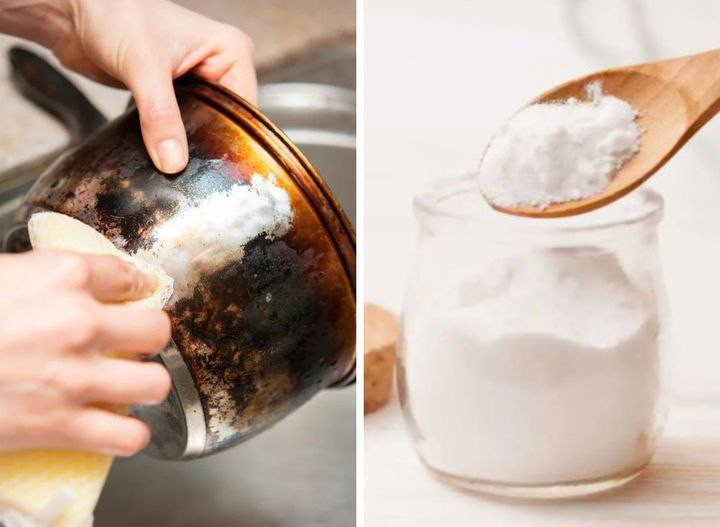
This first approach centers on using a powder-formulated rust remover (or a powder you can prepare) as your primary weapon. This is often the most powerful, versatile, and controlled way to attack rust stains, especially when they are stubborn or partially set. Let’s go through every aspect in detail: choosing/preparing the powder, applying it to both surfaces and fabrics, post‑treatment steps, safety, and troubleshooting.
Why a Powder-Based Method?
Powders bring several advantages:
- Concentrated action: Many rust‑removing powders contain active ingredients (acids, chelating agents) in stable form, so you can mix fresh just before use for maximum potency.
- Control over concentration: You can vary the concentration to match the stain severity.
- Dry to paste to liquid flexibility: You can convert the powder into paste or solution depending on application type.
- Long shelf life: Powders often remain usable longer than pre-mixed liquids (less prone to degradation).
- Targeted application: You can apply exactly on the stain, reducing collateral damage to surrounding surfaces or fabric.
However, you must choose the right kind of powder and use it carefully to avoid damage.
What Kind of Powder?
Some of the common active powder types for rust removal include:
- Oxalic acid powder (or crystals) — one of the most effective for rust removal from both fabrics and hard surfaces.
- Chelating agent powders (e.g. sodium metasilicate, EDTA derivatives, or specialized rust remover powders).
- Acidic salts / acid salts formulations — powders that generate acidic conditions to dissolve iron oxide.
- Commercial rust removal powders / formulations — those marketed specifically for rust stain removal (often containing blends of acids, surfactants, chelators, stabilizers).
If you’re preparing something yourself (DIY), oxalic acid is often the go-to, though it must be handled carefully. Many commercial “rust remover powders” are designed to be safe on multiple surfaces if used as directed.
Preparing the Powder Solution / Paste
Here is a general, step‑by‑step method to convert your rust removal powder into a working solution or paste:
- Determine the required concentration.
For light stains, a weaker mix may suffice (e.g. 1 part powder to 20–30 parts water). For heavier stains, you might go stronger (e.g. 1:10 or even paste form). - Use lukewarm water
Warm (not boiling) water helps dissolve the powder more rapidly and boosts reaction, but excessively hot water might damage some surfaces or fabrics. Aim for ~30–40 °C. - Mix gradually
Add powder slowly to water while stirring continuously. Avoid lumps. You may form a paste (thicker) or runny solution depending on need. - Check pH / acidity if possible
If you have pH strips or meter, aim for a mildly acidic pH (depending on the powder’s label or chemical nature). Overly strong acidity may damage surfaces or fabrics. - Prepare only what you’ll use
Since the solution can lose potency over time, mix fresh in small batches.
Application on Hard Surfaces (Tile, Concrete, Stone, Metal Frames, Painted Surfaces)
Here’s a step-by-step protocol for applying the powder-based method on hard surfaces:
- Dry-clean the surface first
Remove loose rust particles, dust, dirt. Use a dry brush or vacuum. This helps the chemical treatment work on the embedded rust rather than loose debris. - Mask / protect surrounding areas
Use painter’s tape, plastic sheeting, or cloth to protect adjacent finishes, woodwork, fixtures, etc. - Apply the powder / paste
- If you have a paste form, spread it directly over the rust stain area (thickness ~1–3 mm).
- If a liquid solution, apply it generously using a sponge, brush, spray, or soak method. Ensure the stain is fully saturated.
- Allow dwell time
Let the paste / solution remain on the rust stain for the optimal time (commonly 5–30 minutes for mild stains, up to 1 hour for tougher stains). Do not let it dry out—spritz with water if needed to keep it wet. - Agitation / brushing
Use a nylon brush, Scotch-Brite pad, soft-bristled scrubber, or other non-scratch scrubbing tool. For stone, concrete or tile, use stiffer brushes; for painted surfaces, use softer brushes. - Rinsing
Rinse thoroughly with clean water. Use a sponge or washcloth to remove residual powder and loosened rust. Repeat rinsing until all residue is gone. - Neutralizing (if needed)
If the powder is acidic, it may help to rinse again with an alkaline (mild detergent solution) to neutralize residual acidity, especially on materials that could etch (stone, aged metal, painted surfaces). - Drying & inspection
Wipe dry with a clean, soft towel. Inspect whether the stain is gone. If any remains, repeat the treatment in a smaller area.
Application on Fabrics & Clothes
Applying a powder-based rust remover on clothes requires extra care because fabrics are sensitive. Use the following approach:
- Check fabric care instructions
Examine the label (e.g. colorfastness, bleach tolerance, water temperature) and follow any contraindications. - Pretest on inconspicuous area
Pick an area like inside a hem or seam. Mix a small amount of powder solution and apply lightly. Wait 10–15 minutes to make sure no fading, discoloration, or fabric damage occurs. - Remove loose rust particles
Gently brush or shake off any sand or rust particles before wetting the area, so you don’t push them deeper. - Wet the stain area
Moisten it slightly (just damp), unless you’ll do a soak. - Apply the powder solution / paste
Use a dropper, small brush, or sponge to gently apply the mix directly to the stain. You want full contact but not excessive soaking that might spread the stain. - Let it dwell
Let it act for 5–30 minutes (or longer if fabric tolerates). Keep it moist—if it begins to dry, mist lightly with water. - Gently agitate
Use a soft brush or cloth to gently work the solution into the fibers. Do not scrub harshly—this may fray or damage the fabric. - Rinse thoroughly
Rinse with cool water until all traces of powder and loosened rust are washed out. Ensure no abrasive grains remain. - Wash as usual
After rinsing, launder the garment with a mild detergent under the warmest conditions allowed by its care instructions. - Air dry
Do not expose to heat (dryer) until you are sure the stain is gone. Heat can set any residual rust.
Real-World Example & Pro Tip
Suppose you have a rust stain on a concrete patio paver or on an outdoor tile floor. You mix a paste with 1 part oxalic acid powder and 8 parts warm water, spread it over the rust ring, cover with plastic wrap to prevent drying, let it sit 30 minutes, then scrub with a stiff brush and rinse. That often lifts the stain entirely. On clothes, the same powder diluted more gently, applied carefully, can reverse rust rings around metal buttons or zippers if the fabric tolerates it.
One pro tip: for vertical surfaces (walls, tiles), you can use painter’s tape and create a “frame” around the stain, apply paste inside, and cover with plastic “tent” to retain moisture and prolong dwell time. This gives the chemical more time to work without drying.
Safety, Precautions & Limitations
Using powder-based rust removal requires precautions:
- Wear gloves, goggles, and protective clothing (long sleeves) — powders and acids can irritate skin or eyes.
- Work in a well-ventilated area; vapors may be noxious.
- Keep away from children and pets.
- Do not mix with bleach or strong alkaline compounds unless the manufacturer says so (some reactions may produce harmful gases or neutralize effectiveness).
- Always neutralize or thoroughly rinse any residue, especially on delicate or porous materials.
- Avoid using on extremely delicate fabrics (silk chiffon, fine lace) or sensitive finishes without testing—these may be irreversibly damaged.
- Repeated use can cause wear or mild etching on some surfaces (stone, old concrete, enamel). Use minimal effective concentration.
- In some cases, rust stain may have penetrated too deeply for surface remediation; replacement or refinishing may be necessary.
Tip #2: Complementary Methods & Fallback Strategies for Rust Stain Removal
Sometimes the powder method might not be feasible (delicate fabrics, sensitive surfaces) or might not fully remove a deep or heavily set stain. In those cases, you want alternative, less aggressive—but still effective—methods as backup. Below are complementary or fallback strategies you can use in parallel or sequentially, for both surfaces and fabrics.
Method A: Acidic Household Remedies (Lemon, Vinegar, Citric Acid)
These are gentler, commonly available, and often effective when rust stains are relatively fresh or light.
Click page 2 for more