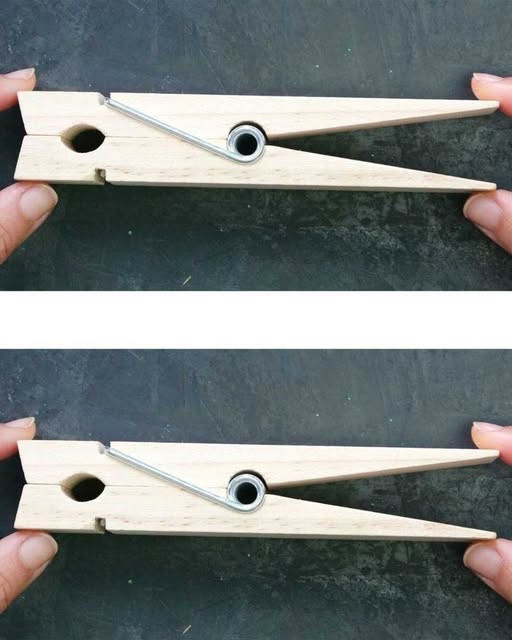
- Clothespins (painted or natural)
- Thin plywood or decorative trim substrate (optional backing for layering)
- Adhesive (wood glue, epoxy)
- Template or stencil for your motif (wreath, mandala, floral shape)
- Clear sealer/coating
- Mounting hardware (if overlays are separate pieces)
Steps
- Choose motif & size
Pick a design—e.g. circular wreath around doorknob, oval scroll above peephole, geometric sunburst in panel. Decide dimensions so it fits proportionally. - Paint or finish clothespins (optional)
If using colored accents, paint pins before assembly. Let them dry fully. - Lay out pattern
On a workspace, place clothespins in layers: base layer, overlay layer, accent layer. Use a stencil or outline for alignment. - Glue layer by layer
Work bottom to top: glue base layer pins, let cure; then glue overlay layer downward into joints; then accent pieces for depth. - Trim & adjust
If any pins extend too far, trim ends or sand to soften. Ensure no pieces interfere with door closure or hardware. - Seal entire overlay
Apply a clear protective top coat (satin or glossy) over the assembled overlay to lock it against weather. - Mount overlay to door or inset panel
Use small screws or adhesive mounting depending on weight and material of door. Mount such that it houses flush enough to not obstruct door usage.
Design Approaches & Variations
- Wreath overlay: a circle of clothespins around the door handle, perhaps alternating directions for texture.
- Mandalas or rosettes: radial patterns with concentric clothespin circles, interspersed with decorative inlays (small wood discs, mirrors, glass).
- Scroll or flourish overlays: clothespins cut and curved (carefully) to form decorative swirls.
- Layered relief: raise outer layers for shadow effect — e.g. outer petals of a flower raised above inner layers.
- Mixed media: embed small pieces of metal, acrylic, tile, or resin between layers to create contrast.
This method gives your front door a crafted, elegant accent that’s still DIY and clothespin-based — striking and unique.
Tips for Durability, Weather Resistance & Maintenance
Because this is outdoors and your front door is exposed, durability and weather resistance are critical. Here are strategies to ensure your clothespin embellishments last:
Choose Quality Clothespins
- Use solid wood pins (untreated or kiln-dried) that accept sealer well, or sturdy plastic clothespins rated for outdoor use.
- Avoid flimsy or cheap pins that warp or break under stress or moisture.
Seal Well
- After painting or finishing, use a clear weather-resistant sealer or polyurethane (exterior grade).
- Apply multiple coats, especially on wood surfaces, allowing full cure between coats.
- Seal edges, joint seams, clip jaws carefully so that moisture can’t infiltrate.
Use Flexible, Outdoor-Safe Adhesive
- For mounting, choose adhesives rated for exterior use (marine epoxy, construction adhesive, outdoor polyurethane glue).
- For positions with differential movement (wood expansion), prioritize adhesives or fasteners that allow slight give rather than rigid bonds that crack.
Allow for Thermal / Moisture Movement
- Wood expands and contracts; leave tiny gaps or avoid overly tight compressive mounting where swelling could cause detachment.
- In humid or rainy climates, avoid directly rain-soaked exposure: e.g. place embellishments under a small overhang or door hood.
Inspect & Touch Up Periodically
- Every few months, check for loosening, peeling, discoloration or warping.
- Touch up with sealer or fresh paint on vulnerable edges.
- Reaffirm adhesive attachment if any pins become loose.
Consider Removability
- If you expect extreme weather (storms, hail, heavy winds), design your clothespin elements to be removable for seasonal storage. Use mounting strips or cleats so you can unclip panels quickly.
- Store detached decorative pieces indoors during severe weather or winter to prolong life.
With proper sealing, mounting, and maintenance, your clothespin front door design can last for years and still look fresh.
Choosing Colors, Themes & Aesthetic Styles
To make your clothespin transformations cohesive and visually appealing, consider these design principles and style ideas:
Color Harmony & Contrast
- Use monochrome or tonal variations (shades of same color) for elegant consistency.
- Use complementary accent colors (e.g. door color vs pin color contrast) to make pins pop.
- Metallics (gold, copper, silver) make for high-impact accents.
- Natural wood + clear sealer gives a rustic, farmhouse accent that works in many door styles.
Thematic Décor
- Seasonal: spring florals, summer coastal motifs, autumn leaves, winter snowflakes.
- Celebratory: birthdays, holidays, event decor (weddings, parties) — clip custom lettering or banners.
- Personal motif: clip your family emblem, monogram letter, or illustration cutouts.
- Architectural echo: design clothespin layout to echo door panel moldings, window muntins, sidelights.
Scale & Proportion
- Keep clothespin accents proportional to door size; don’t overcrowd.
- Larger pins work better for large doors; mini pins or trimmed clothespins suit smaller panels or inset decorations.
- Maintain negative space so the eye can rest; don’t fill every inch unless your vision calls for complete coverage.
Blending with Existing Hardware & Lighting
- Factor in light fixtures, door knocker, mail slot, windows. Leave sufficient clearance so nothing interferes or looks crowded.
- Use clothespin colors that harmonize or contrast intentionally with door hardware (brass, matte black, chrome).
- At night, accent parts of the clothespin décor with door lighting (spotlight, sidelights) to create shadow texture.
Texture & Dimension
- Use alternating raised/lowered pins to add depth.
- Combine smooth painted pins with raw wood pins for tactile contrast.
- Use silhouettes or layered pin relief to cast shadow play.
- Incorporate small inlays (stone, metal, glass) between pins for sparkle or tonal highlights.
By treating clothespins as design elements rather than mere clamps, you elevate front door aesthetics to something creative and curated.
Complete Execution Strategy & Project Planning
Here’s a suggested step‑by‑step project plan to execute a clothespin-based front door transformation smoothly:
- Measure & photograph door: note size, paneling, hardware, trim.
- Define your vision and method: choose one or combine multiple of the 7 methods above.
- Sketch your layout: on paper or digitally overlay clothespins or motifs to see spacing and balance.
- Choose materials: decide wood vs plastic clips, paint colors, backing boards, adhesives, sealers.
- Acquire clothespins & supplies: get extras for mistakes.
- Prepare components off-door: paint, seal, test-fit, glue in sections on workspace.
- Mount base elements (boards, backing, clips) to the door in sections to avoid blocking door operation.
- Install decorative elements (clips, silhouettes, overlays) carefully, measuring, leveling, spacing.
- Apply top coat / sealer after full installation (avoiding hardware).
- Decorate & enhance: add fairy lights, clipped decor, chime elements, or message tags.
- Test & refine: test door operation, test removal or replacement, trim or adjust any interfering parts.
- Maintain: schedule inspection, touch-ups, seasonal swaps, cleaning.
Plan for one to multiple weekend sessions depending on complexity. Leave time for curing adhesives and sealer coats.
Final Thoughts & Inspirational Mindset
Using clothespins to transform your front door is about turning humble materials into expressive décor. It’s the embodiment of creative upcycling, mass-appeal DIY, and low-cost design innovation. With just paint, adhesive, some clips, and your imagination, you create a customized, modular, ever-changing front entry statement.
Beyond the aesthetics, this method encourages you to experiment. Change clips seasonally. Try new silhouette shapes or motifs. Rotate sections to try new configurations. Because clothespins are lightweight and easy to reposition, your front door décor evolves with your mood, the season, or visitor tastes.