Commercial mold removers often contain harsh chemicals that can irritate your skin, eyes, and lungs. They might provide quick results but leave your home filled with toxins.
My method uses natural ingredients that are safe for my family and the environment but just as effective. Plus, it’s cost-effective and easy to make at home, meaning you don’t have to keep buying expensive products.
Dealing with Different Types of Mold
Not all mold is the same. Here’s how to identify and deal with some common types:
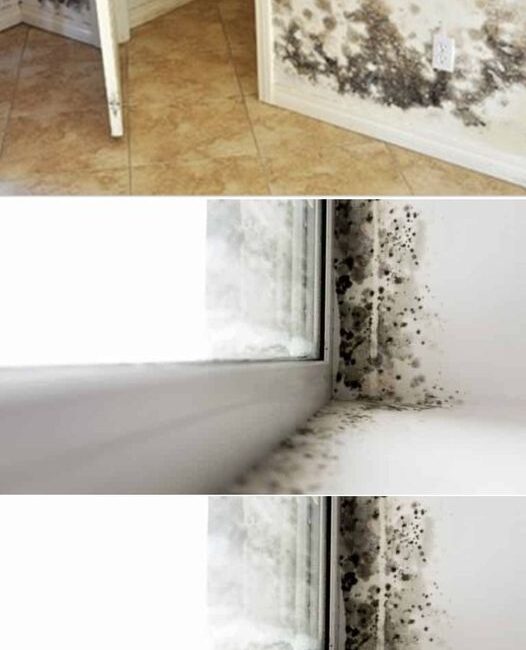
- Black mold (Stachybotrys chartarum): The most toxic and dangerous. Requires professional removal if widespread. Small patches can be treated with my method.
- Aspergillus: Common indoor mold that can cause allergies. Easily removed with vinegar and baking soda solution.
- Cladosporium: Found on damp wood and fabrics. Responds well to hydrogen peroxide treatment.
Always take extreme caution if you suspect toxic mold and consider professional help for large infestations.
When to Call a Professional
If mold covers an area larger than 10 square feet, or you have persistent health symptoms despite cleaning, it’s time to get professional assistance. Mold remediation experts have the equipment and expertise to safely remove mold and repair structural damage.
My Tips for Mold Prevention in Every Room
Bathroom
- Use exhaust fans or open windows during and after showers.
- Squeegee tiles and walls to remove excess moisture.
- Wash shower curtains and mats regularly.
- Use mold-resistant grout and sealant.
Kitchen
- Fix leaking faucets and pipes promptly.
- Clean the refrigerator drip pan.
- Ventilate while cooking.
- Store food in airtight containers to avoid moisture.
Basement and Laundry Room
- Use a dehumidifier, especially in humid climates.
- Keep the laundry area dry by promptly drying clothes.
- Inspect and seal any cracks in walls or floors.
Bedrooms and Living Areas
- Avoid carpeting in damp basements.
- Use air purifiers to reduce mold spores in the air.
- Maintain indoor humidity below 50%.
Dealing With Mold in Furniture and Fabrics
Mold can also affect upholstery, mattresses, and clothes. For fabrics:
- Wash with hot water and detergent.
- Use vinegar in the rinse cycle to kill mold spores.
- Dry completely in sunlight if possible.
For furniture, vacuum thoroughly and wipe down wooden parts with the vinegar solution.
The Emotional and Health Benefits of a Mold-Free Home
Beyond the physical benefits, living in a clean, mold-free environment drastically improves quality of life. No more musty odors, fewer allergy symptoms, and peace of mind knowing your home is healthy and safe.
Final Thoughts: Your Winning Method to Mold-Free Living
Mold can be daunting, but it doesn’t have to take over your home or your health. With patience, care, and my proven natural method, you can eliminate mold effectively and keep it from coming back.
Remember, the key is tackling moisture, protecting yourself, and treating mold with a powerful, natural solution that works deep down. Once you master this, you’ll no longer fear mold—because you’ll know exactly how to conquer it.