After Months of Struggle, I Finally Found the Ultimate Solution to Conquer Mold
Mold. It’s that dreaded four-letter word that every homeowner fears. It sneaks into the corners of bathrooms, hides behind walls, creeps beneath sinks, and silently invades our living spaces. Mold is more than just an eyesore; it poses health risks and threatens the integrity of your home. For months, I battled this stubborn enemy, trying every product and home remedy I could find—only to end up frustrated and defeated.
But after tireless trial and error, I discovered a winning method that truly works. Today, I’m sharing with you the ultimate solution that conquered my mold nightmare once and for all. Whether you’re dealing with minor patches or extensive infestations, this guide will equip you with the knowledge, tools, and confidence to eliminate mold effectively, protect your home, and breathe easier.
Understanding Mold: What You’re Up Against
Before diving into solutions, it’s crucial to understand what mold really is. Mold is a type of fungus that thrives in damp, warm environments. It reproduces through tiny spores that float through the air, settling on surfaces where moisture is present. Once established, mold grows quickly and can damage materials like wood, drywall, and fabric.
Why Mold Is Such a Problem
- Health Risks: Mold spores can trigger allergic reactions, respiratory issues, and other health problems, especially in children, the elderly, or people with weakened immune systems.
- Structural Damage: Mold eats away at building materials, weakening the structure of your home and leading to costly repairs.
- Unpleasant Odor: The musty smell mold produces is difficult to remove and can linger, making your home uncomfortable.
Signs You Have Mold
Many people don’t realize they have mold until it’s visible or causing health symptoms. Here’s what to watch for:
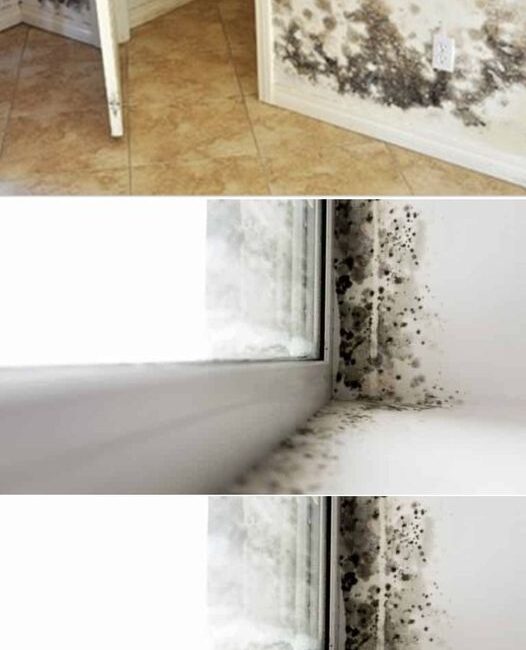
- Visible spots or patches: Usually black, green, white, or gray on walls, ceilings, or around windows.
- Musty smell: Persistent damp or earthy odor in rooms.
- Health symptoms: Sneezing, coughing, itchy eyes, or skin irritation that worsen indoors.
- Water damage: Peeling paint, warped wood, or water stains may signal mold growth beneath surfaces.
If you notice any of these signs, it’s time to take action.
My Mold Battle: The Months of Struggle
Like many, I started with over-the-counter sprays and bleach, believing I could quickly wipe the problem away. But no matter how often I cleaned, mold returned with a vengeance. I realized that surface cleaning wasn’t enough. The mold had penetrated deeper, fed by hidden moisture and poor ventilation.
Frustrated but determined, I researched every method—DIY solutions, professional advice, and natural remedies—testing each one meticulously. After many failures and setbacks, I refined a system that was thorough, safe, and sustainable. Here’s what worked for me.
The Ultimate Method to Get Rid of Mold: Step by Step
Step 1: Identify and Fix Moisture Sources
Mold cannot survive without moisture. The first and most important step is to eliminate any leaks, condensation, or humidity causing dampness.
- Check plumbing for leaks under sinks, around toilets, and near appliances.
- Inspect your roof and walls for cracks or gaps where water can enter.
- Use dehumidifiers or air conditioners in damp areas to keep humidity below 50%.
- Ensure proper ventilation in bathrooms, kitchens, and laundry rooms by installing exhaust fans or opening windows.
Fixing moisture problems stops mold at its root and prevents recurrence.
Step 2: Protect Yourself Before You Start
Mold spores can be harmful when inhaled or touched. Before you begin cleaning:
- Wear gloves, goggles, and a face mask (N95 respirator preferred) to protect your skin, eyes, and lungs.
- Keep children and pets away from the area during cleaning.
- Open windows and doors for good airflow.
Safety is essential to avoid mold exposure during removal.
Step 3: Prepare Your Cleaning Solution
I experimented with many cleaning agents and finally settled on a blend that’s both powerful and safe:
- White vinegar: Naturally acidic and excellent at killing many types of mold.
- Baking soda: Acts as a mild abrasive and deodorizer.
- Hydrogen peroxide: Powerful antifungal and antibacterial agent.
- Essential oils (optional): Tea tree oil or eucalyptus oil for added mold-fighting power and fragrance.
My Winning Mold-Cleaning Spray Recipe:
- 1 cup white vinegar (undiluted)
- 1 tablespoon baking soda
- 1 cup hydrogen peroxide (3%)
- 10 drops tea tree oil (optional)
Mix in a spray bottle carefully, adding baking soda first to avoid fizzing overflow, then the other ingredients. Shake gently.
Step 4: Apply the Solution and Let It Sit
Spray the moldy areas thoroughly with the solution. Make sure to cover all visible mold patches and dampen the surrounding surfaces. Let it sit for at least 30 minutes to allow the ingredients to penetrate and kill the mold at its roots.
Step 5: Scrub the Mold Away
Use a stiff brush or sponge to scrub the moldy surface. This step removes dead mold and lifts stains. For porous surfaces like drywall or fabric, be gentle to avoid damage, but persistent enough to clean thoroughly.
If mold has deeply penetrated porous materials and can’t be removed, it may be necessary to replace those materials to prevent recurrence.
Step 6: Rinse and Dry Completely
After scrubbing, wipe down surfaces with clean water and a cloth to remove residue. It’s critical to dry the area thoroughly, as moisture left behind will encourage mold regrowth.
Use fans, open windows, or a dehumidifier to speed up drying. Avoid putting items back into damp spaces.
Step 7: Prevent Future Mold Growth
Once the mold is gone, prevention is key:
- Regularly clean and ventilate areas prone to moisture.
- Use mold-resistant paint or sealants on walls and ceilings.
- Keep indoor humidity low with dehumidifiers.
- Check for leaks routinely and fix immediately.
- Avoid carpeting bathrooms or basements where moisture is common.
Natural Mold Removal vs. Chemical Cleaners: Why I Chose the Natural Way
click page 2 to continue