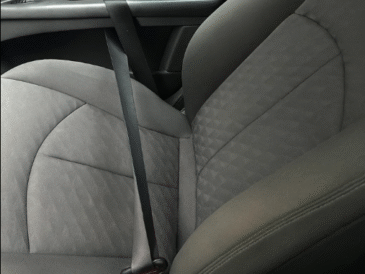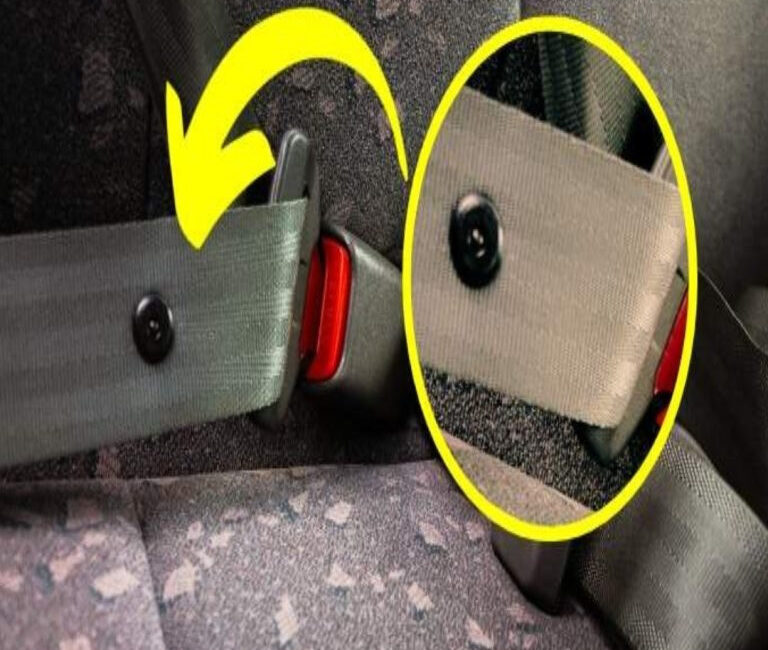
When installing child safety seats, this button can be a strategic anchor point. It prevents the latch plate from slipping into spaces that interfere with:
- ISOFIX or LATCH anchors
- Tether strap placements
- Booster seat alignments
It also helps maintain belt routing integrity, which is essential for correct child seat installation — a major factor in protecting children during vehicle collisions.
8. Seat Belt Retraction and Storage Mechanisms
The button plays a role in optimizing belt retraction. Without it:
- The belt might retract too far, dragging the latch plate behind and out of reach.
- You’d need to manually pull the belt to locate the latch.
- This leads to frustration, misuse, or delayed engagement.
Some newer cars include belt presenters or motorized adjusters, but for the majority of vehicles on the road, the stop button remains the primary positioning tool.
9. Common Myths and Misunderstandings
“It’s just decorative.”
Far from it. It’s a critical ergonomic feature.
“It’s for kids to fidget with.”
Not designed for entertainment — it’s a precision safety component.
“If it falls off, no big deal.”
Actually, a missing button can affect safety and usability. It should be replaced immediately.
10. Regulatory Standards and Compliance
Seat belt components, including the button, must comply with FMVSS (Federal Motor Vehicle Safety Standards) or ECE regulations (depending on the region). These standards regulate:
- Positioning of belt hardware
- Durability of fixed components
- Resistance to slippage under force
Even non-load-bearing parts like the button are tested rigorously to ensure they don’t contribute to belt failure under stress or over time.
11. How This Button Helps Extend the Lifespan of Your Seat Belt
By keeping the latch plate in place:
- It prevents excessive wear on the belt webbing.
- Reduces friction and folding that lead to fraying.
- Protects the retractor mechanism from over-engagement.
In short, it helps preserve the structural integrity of your seat belt system for years to come.
12. Role in Emergency Situations and Crash Dynamics
While the button itself doesn’t bear load during an accident, its positioning affects how quickly a seat belt can be accessed. In post-crash scenarios where seconds save lives, every usability feature matters.
For emergency responders or passengers trying to exit quickly, having the latch plate visible and accessible may be critical.
13. Maintenance Tips for Preserving Your Seat Belt System
- Clean the belt and button monthly using mild soap and water.
- Inspect the button for cracks or looseness.
- Avoid letting passengers twist or play with the belt excessively.
- Replace the button if it becomes dislodged or damaged.
- Always ensure the belt retracts fully and smoothly after each use.
14. Signs of Wear and When to Replace It
Look for:
- Button sliding or hanging loosely
- Belt retracting too far or not at all
- Latch plate falling under or behind the seat
- Frayed webbing near the button area
If you see any of these issues, consult a qualified auto technician to assess whether you need a replacement belt assembly or simply a button fix.
15. Final Thoughts: Small Part, Big Impact
The small button on your seat belt may seem trivial, but its role is anything but. From enhancing safety and comfort to improving vehicle usability and reliability, this tiny component is a testament to the thoughtful engineering behind modern automotive design.