When it comes to household cleaning, few tasks are as universally dreaded as scrubbing the toilet. Despite being a necessity for hygiene and comfort, toilet cleaning ranks among the least appealing chores for most people. Harsh chemicals, persistent stains, and difficult-to-reach areas often make this routine task frustrating and time-consuming.
But what if there was a surprisingly simple, cost-effective, and surprisingly powerful method that not only cleans your toilet thoroughly but also saves you money and reduces exposure to harsh chemicals? Enter aluminum foil — an everyday kitchen staple with an unexpected role in toilet maintenance.
In this detailed guide, we’ll uncover the science and secrets behind using aluminum foil to clean your toilet, explore the benefits, walk you through step-by-step instructions, and provide practical tips to make your bathroom sparkle effortlessly.
Table of Contents
- Introduction: The Challenge of Toilet Cleaning
- Why Aluminum Foil? Understanding Its Cleaning Power
- The Science Behind Aluminum Foil and Toilet Stain Removal
- Types of Toilet Stains Aluminum Foil Can Tackle
- Materials Needed for Cleaning Toilets With Aluminum Foil
- Step-by-Step Guide to Cleaning Your Toilet With Aluminum Foil
- Advantages of Using Aluminum Foil Over Conventional Cleaning Tools
- How Aluminum Foil Helps Prevent Scratches and Damage
- The Environmental and Economic Benefits of Aluminum Foil Cleaning
- How to Combine Aluminum Foil With Other Natural Cleaning Agents
- Addressing Common Myths and Misconceptions About Aluminum Foil Cleaning
- Safety Tips and Precautions When Using Aluminum Foil in the Toilet
- Maintaining Your Toilet Between Deep Cleanings
- Alternative Uses of Aluminum Foil in Household Cleaning
- Troubleshooting: When Aluminum Foil Isn’t Enough
- The Best Practices for Long-Term Toilet Care
- Comparing Aluminum Foil Cleaning With Other Popular Toilet Cleaning Methods
- How Often Should You Use Aluminum Foil for Toilet Cleaning?
- Preparing Your Bathroom for Cleaning: Additional Tips
- Final Thoughts: Why Aluminum Foil Is Your Toilet’s Best Friend
1. Introduction: The Challenge of Toilet Cleaning
Cleaning toilets is notoriously unpleasant, yet essential. Over time, toilets accumulate hard water stains, rust, mineral deposits, scale, and discolorations that standard cleaning products sometimes fail to remove completely. Traditional cleaning tools such as brushes, abrasive pads, and chemical cleaners may damage the porcelain or release harsh fumes, posing health risks and environmental concerns.
The frustration of dealing with stubborn stains leads many to seek alternatives that are gentler, effective, and easy to use. Aluminum foil, surprisingly, fits these criteria and offers a non-toxic, economical, and environmentally friendly cleaning solution.
2. Why Aluminum Foil? Understanding Its Cleaning Power
Aluminum foil might seem like an unlikely candidate for toilet cleaning, but its physical and chemical properties make it uniquely suited for this task. Here’s why:
- Malleability and Texture: Aluminum foil is soft, flexible, and can be crumpled into a ball, creating a mild abrasive surface. This abrasiveness helps gently scour stains without scratching porcelain.
- Chemical Reactivity: Aluminum can react with water and certain compounds in stains, aiding in their loosening and removal.
- Availability: Aluminum foil is inexpensive, widely available, and a common household item, making it an accessible cleaning tool.
- Non-toxic: Unlike harsh chemical cleaners, aluminum foil is safe to use without exposing your home or health to dangerous substances.
- Eco-friendly: Reusing aluminum foil for cleaning reduces waste compared to single-use plastic scrubbers or chemical bottles.
3. The Science Behind Aluminum Foil and Toilet Stain Removal
The cleaning action of aluminum foil comes from mechanical abrasion combined with subtle chemical interactions. When you rub crumpled foil against a surface, it physically dislodges dirt, grime, and mineral deposits.
In toilets, many stains are caused by calcium carbonate (limescale), iron oxides (rust), and organic materials. Aluminum’s oxidation-reduction (redox) reactions can help break down some of these deposits, particularly rust stains.
Additionally, aluminum foil’s slightly abrasive texture is firm enough to scrub away deposits but soft enough to avoid scratching the delicate porcelain glaze.
4. Types of Toilet Stains Aluminum Foil Can Tackle
Aluminum foil is particularly effective against:
- Rust stains: Caused by iron in water reacting with the toilet bowl.
- Hard water stains: Mineral build-up from calcium and magnesium deposits.
- Limescale: A chalky, white deposit resulting from hard water.
- Discoloration: Yellow or brown stains from organic residues and iron compounds.
- Mild grime and surface dirt: General everyday buildup around the bowl.
It’s important to note aluminum foil works best on surface stains and light to moderate deposits. For deep-set or extensive stains, multiple cleaning sessions or complementary methods may be necessary.
5. Materials Needed for Cleaning Toilets With Aluminum Foil
Before you start, gather the following materials:
- Aluminum foil (about a half-sheet or a few smaller pieces)
- Rubber gloves for hygiene
- Toilet cleaner (optional but can be natural like vinegar or baking soda)
- Toilet brush for additional scrubbing
- A clean cloth or paper towels for drying
6. Step-by-Step Guide to Cleaning Your Toilet With Aluminum Foil
Step 1: Prepare the Toilet Bowl
Flush the toilet to wet the bowl and loosen loose debris. Optionally, apply a natural toilet cleaner like vinegar or sprinkle baking soda around the bowl to enhance cleaning.
Step 2: Crumple the Aluminum Foil
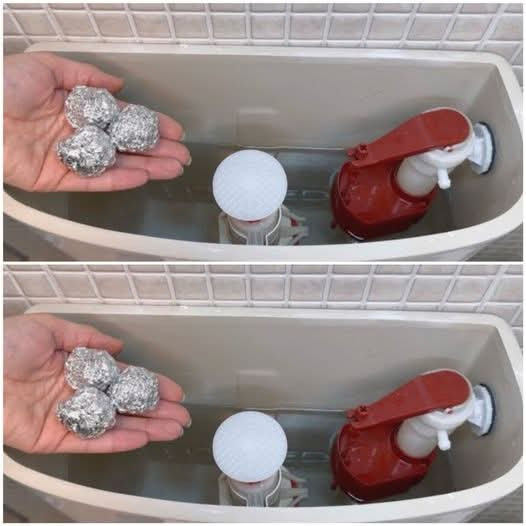
Take a sheet of aluminum foil and crumple it into a ball roughly the size of your fist. The irregular shape provides multiple edges to scrub efficiently.
Step 3: Scrub the Stained Areas
Wearing rubber gloves, scrub the stained parts of the toilet bowl with the crumpled foil ball. Use gentle but firm pressure and circular motions. Focus on areas with discoloration or deposits.
Step 4: Rinse and Repeat
Flush the toilet to rinse away loosened debris. For stubborn stains, repeat the process, possibly adding more toilet cleaner.
Step 5: Final Wipe
Use a clean cloth or paper towel to wipe dry any wet surfaces, preventing water spots.
7. Advantages of Using Aluminum Foil Over Conventional Cleaning Tools
- Cost-effective: Aluminum foil is cheaper than specialized cleaning products.
- Non-toxic: No harmful fumes or chemicals.
- No scratches: Safer on porcelain than metal scrubbers.
- Multi-purpose: Can be used for other household cleaning tasks.
- Easy to use and dispose of: Simply crumple, scrub, and toss.
8. How Aluminum Foil Helps Prevent Scratches and Damage
Unlike steel wool or harsh abrasive pads, aluminum foil is soft enough not to damage porcelain glaze. The smooth metal surface gently polishes stains without roughening the bowl surface, which prevents microscopic scratches that harbor bacteria and worsen staining.
9. The Environmental and Economic Benefits of Aluminum Foil Cleaning
Using aluminum foil minimizes reliance on chemical cleaners that often contain toxic ingredients harmful to aquatic ecosystems after disposal. It also reduces plastic waste from scrubbers and spray bottles.
Economically, aluminum foil repurposed for cleaning saves money on specialty toilet cleaners and reduces the frequency of professional deep cleaning.
10. How to Combine Aluminum Foil With Other Natural Cleaning Agents
For tougher stains, combine aluminum foil cleaning with:
- White vinegar: Natural acid breaks down mineral deposits.
- Baking soda: Mild abrasive and deodorizer.
- Lemon juice: Contains citric acid, effective against rust.
- Borax: Enhances stain removal.
- Hydrogen peroxide: Disinfects and whitens.
Apply these agents before scrubbing with foil for maximum impact.
11. Addressing Common Myths and Misconceptions About Aluminum Foil Cleaning
Click page 2 for more