8. What Happens If You Remove or Break the Ring Cover?
Without a working ring cover:
- The turntable may not spin.
- The plate may tilt, rattle, or even crack.
- You’ll notice uneven hot spots in your meals.
- Long-term damage to the rotation mechanism can occur.
Replacing a microwave motor can cost upwards of $100 — all because of a broken $10 part.
9. How the Ring Cover Interacts with the Turntable Motor
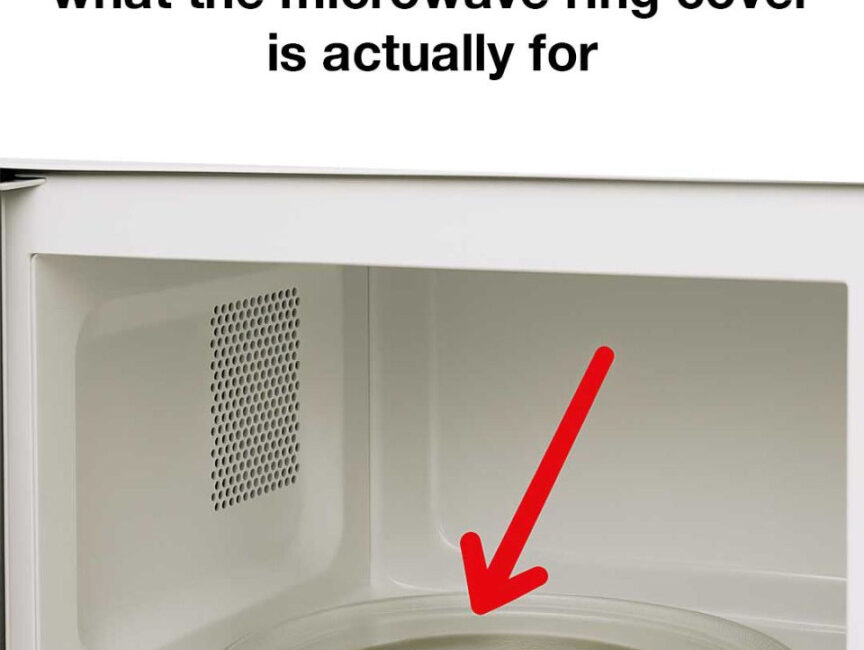
The motor beneath the microwave base emits rotational force, which connects to a small coupler beneath the center of the turntable. The ring cover assists by:
- Distributing weight evenly
- Reducing resistance on the coupler
- Providing stability for heavier dishes
The ring cover is like a conveyor system, ensuring the motor can do its job without strain.
10. Energy Usage and Microwave Efficiency
An often overlooked aspect is the impact of the ring cover on power efficiency.
When rotation is compromised, the microwave has to work harder and longer to heat the same meal. This results in:
- Higher energy consumption
- Longer cooking times
- Decreased energy-efficiency ratings
Maintaining a functional ring cover contributes directly to lower electricity bills and better performance — key concerns in today’s energy-conscious households.
11. Signs Your Ring Cover Needs Replacement
Be on the lookout for:
- Cracked or chipped wheels
- Warped plastic
- Loud grinding or clicking noises
- Wobbly turntable
- Slower or jerky spinning
Replacing it is cheap, easy, and something every microwave owner should be prepared to do.
12. Microwave Turntable Not Spinning? Here’s What to Check
Before calling a technician or tossing your microwave, check these:
- Is the ring cover aligned correctly?
- Are the wheels clean and turning freely?
- Is the central coupler cracked or misaligned?
- Is food too heavy or off-balance?
- Is the ring missing entirely?
In many cases, the fix is as simple as cleaning or repositioning the ring cover.
13. Budget-Friendly Maintenance Tips
- Keep a spare ring cover if you cook heavy dishes often.
- Add it to your spring cleaning checklist.
- Place a microwave-safe cover over food to reduce splatter.
- Check for alignment every time you clean the interior.
- Label the underside with the date of purchase to track its age.
14. Myths About Ring Cover Materials and Replacements
Not all ring covers are equal. Some myths include:
- “Any ring cover fits all microwaves.”
➤ Not true. Always check the diameter and wheel spacing. - “Metal wheels last longer.”
➤ False. Metal can damage the microwave base and interfere with function. - “3D-printed replacements are fine.”
➤ Only if made from heat-resistant, food-safe plastic.
Stick with OEM-compatible or verified universal replacements.
15. Final Thoughts: Small Part, Big Difference
The microwave ring cover may be small, but its role in the kitchen is massive. It’s the unsung hero behind evenly cooked meals, efficient energy use, safe reheating, and appliance longevity.
This tiny wheel-supported ring affects:
- Cooking performance
- Food safety
- Power efficiency
- Appliance durability
- Noise reduction
- Heat distribution
- User experience
So next time you open your microwave door and reach for that steaming plate of leftovers or perfectly thawed groceries, take a moment to appreciate the simple genius beneath your turntable.