- Use cold, clean water for washing.
- Avoid soaps or detergents that can affect leaf surface integrity.
- Handle leaves gently to prevent bruising.
- Dry leaves thoroughly before storage.
- Avoid soaking lettuce for long periods to reduce enzymatic reactions.
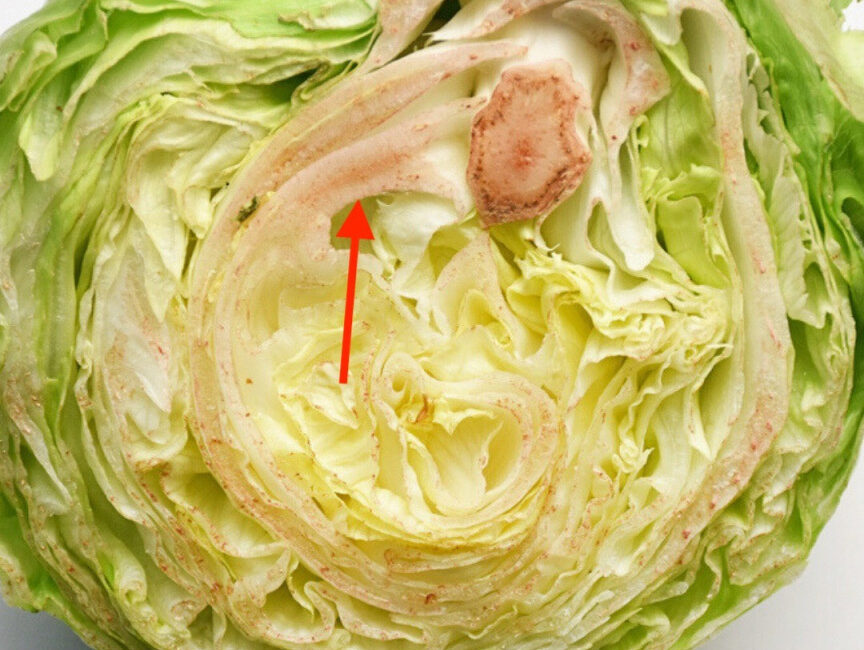
- If blanching or preparing cooked salads, remove visibly pink areas if desired for aesthetics.
10. Best Practices for Buying Lettuce That Stays Fresh Longer
- Choose heads or bags with crisp, vibrant green leaves and no signs of discoloration.
- Avoid bags with excess moisture or condensation.
- Pick lettuce harvested recently — fresher produce is less prone to discoloration.
- Select varieties known for their storage resilience such as romaine or iceberg for longer shelf life.
- Consider buying lettuce whole and breaking leaves apart at home rather than pre-cut bags, which discolor faster.
11. Can You Use Pink Lettuce in Recipes? Culinary Tips and Tricks
Yes! Pink lettuce is not just edible but can be creatively incorporated into dishes:
- Use it in smoothies where color won’t matter.
- Add it to mixed greens salads to add visual variety.
- Cook it lightly in stir-fries or sautés where color changes further.
- Combine with vinaigrettes or acidic dressings to balance any bitter notes.
- Use pink lettuce leaves as wraps or garnishes to add color contrast.
12. Lettuce Varieties and Their Resilience to Discoloration
- Iceberg lettuce: High shelf life, less prone to pink but can develop spots if bruised.
- Romaine: Moderate resistance, popular in Caesar salads.
- Butterhead: Delicate, prone to bruising and discoloration.
- Leaf lettuces (red and green): Anthocyanin-rich, prone to pink/red discoloration.
- Oakleaf and Bibb: Tender with variable pigmentation.
13. Organic vs. Conventional Lettuce: Does It Affect Pinking?
Organic lettuce often uses fewer preservatives and sometimes lacks anti-browning treatments, making it more susceptible to pink discoloration. However, the trade-off is a fresher, less chemically treated product. Proper handling and storage can minimize pinking regardless of the growing method.
14. How Climate and Seasonality Affect Lettuce Freshness and Color
Lettuce grown in cooler climates tends to have more stable pigments and less pinking. Seasonal temperature swings can induce stress responses that increase anthocyanin production. Storage conditions must compensate for these natural variabilities.
15. The Role of pH and Water Quality in Lettuce Color Stability
Slightly acidic or alkaline water during washing can alter the enzymatic reactions. Using neutral pH, filtered water helps maintain leaf integrity and color.
16. How to Handle Lettuce from Harvest to Table for Maximum Freshness
- Harvest at cool times of day.
- Transport chilled and avoid sun exposure.
- Process quickly with minimal cutting.
- Use cold chain logistics.
- Store in humidity-controlled environments.
17. The Environmental Impact of Lettuce Waste Due to Pink Discoloration
Discarding lettuce simply due to pink spots contributes to significant food waste, impacting:
- Greenhouse gas emissions
- Water and land resource depletion
- Increased costs for consumers and suppliers
Understanding pink discoloration helps reduce unnecessary waste.
18. Innovative Packaging Technologies That Reduce Lettuce Pinking
- Modified atmosphere packaging (MAP) to regulate oxygen and carbon dioxide.
- Edible coatings with antioxidants.
- Breathable films to balance moisture.
- Smart packaging with freshness indicators.
19. The Future of Lettuce Preservation: Controlled Atmosphere and Smart Packaging
Emerging technologies focus on:
- Real-time monitoring of leaf health.
- Nanotechnology for enzyme inhibition.
- Improved refrigeration systems.
- Biodegradable packaging solutions.
20. Final Thoughts: Beyond Cutting Off the Pink—Smart Lettuce Care for Health and Taste
Pink discoloration in lettuce doesn’t mean you must toss the entire head or bag. Understanding its causes, safe consumption parameters, and proper handling methods lets you extend shelf life, reduce waste, and enjoy this vital green in all its crisp, nutritious glory.