There’s something uniquely frustrating about stepping into your garden—your own slice of nature, your haven—and finding it overrun with stubborn, unruly weeds. I know that feeling all too well. My garden used to be a complete disaster. Tangled messes of crabgrass, dandelions, thistles, and all kinds of invasive species were choking the life out of every plant I had lovingly put in the soil.
I tried everything.
From expensive herbicides to back-breaking manual labor, it seemed like no matter what I did, those relentless weeds came back stronger. It was like they were mocking me, thriving in the very soil I had prepared for flowers and vegetables. Gardening, which once brought me peace and joy, became a constant battle—until one ordinary day when I stumbled across an incredibly simple, shockingly effective trick.
This trick cost me nothing. No special tools, no store-bought products, no toxic chemicals. It took less than two minutes to implement. And just like that—my weeds were gone.
If your garden feels more like a battlefield than a sanctuary, keep reading. What I’m about to share may just be the best decision you’ll make for your yard, your sanity, and even your wallet.
The Brutal Truth About Weeds and Why They’re So Hard to Kill
Before we dive into the solution, it’s important to understand what makes weeds such a persistent, nagging problem in gardens around the world. Most people think of weeds as just annoying plants. But they’re more than that—they’re nature’s survivors.
Weeds are biologically engineered to outcompete your cultivated plants. They grow faster, adapt better, and reproduce more efficiently than almost any flower or vegetable. They drain your soil of valuable nutrients, block sunlight, and even release chemicals that hinder the growth of nearby plants (a process known as allelopathy).
Many of them have deep, fibrous roots that make them incredibly difficult to pull out completely. Miss even a small piece of the root, and you can expect that weed to return within days—often stronger than before.
Traditional weed control methods often fail because they attack the symptoms, not the root (literally and figuratively). Spraying chemicals might knock weeds back temporarily, but those chemicals leach into your soil, harm beneficial insects like bees and earthworms, and don’t prevent new weeds from sprouting.
What I Tried Before — And Why It Failed Miserably
Let’s be honest: weeding is back-breaking, soul-crushing work when you’re doing it manually. I spent entire weekends hunched over, yanking out weeds one by one, only to find a new crop waiting for me the next week. Not only was it exhausting, it did nothing to stop the cycle.
Then came the commercial weed killers. I shelled out big bucks for “guaranteed” solutions with bold promises on their labels. I followed all the instructions. And while some did kill the weeds, they also:
- Discolored my lawn.
- Stunted the growth of my flowers.
- Smelled toxic.
- Posed risks to my kids and pets.
Next came the mulching experiment. I buried my garden beds in bark and straw, hoping to block sunlight and smother weed growth. It worked in spots, but many weeds just pushed right through or crept around the edges.
Nothing was sustainable. Nothing gave me peace of mind. And worst of all, nothing restored my confidence as a gardener.
The Day Everything Changed: The 2-Minute Trick That Saved My Garden
Now to the part you’re here for: the quick, free, 2-minute trick that completely changed the game.
I discovered it by accident.
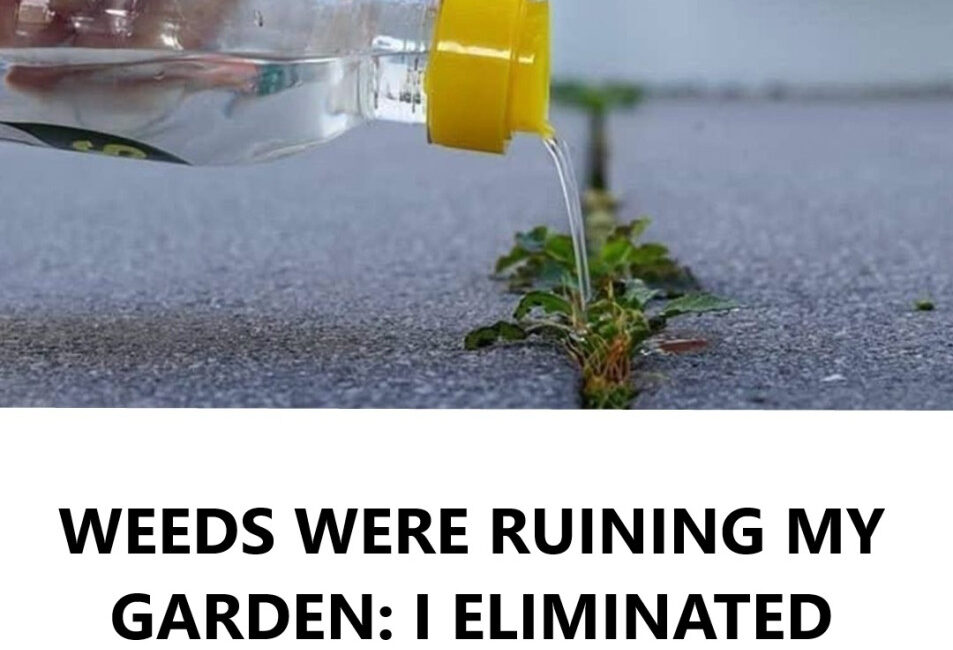
One cloudy afternoon, I was cleaning out my kitchen when I found a half-used kettle of boiling water left on the counter. I walked outside, weeds on my mind, and poured the water directly on a patch of thistle that had taken root near the edge of my patio.
The next morning, I walked outside and gasped.
That thistle? Dead. Brown. Wilted. Completely cooked.
I thought it was a fluke, so I tried it again—this time on a stubborn patch of dandelions near my herb bed.
Same result.
Within 24 hours, they were toast.
And that’s when it hit me: the solution had been in my kitchen all along.
How Boiling Water Destroys Weeds Instantly
The science behind it is simple: boiling water denatures the cellular structure of plants. When poured directly onto weeds, the extreme temperature destroys the cell walls, essentially “cooking” the plant from the inside out.
Even better? It penetrates the soil slightly, reaching the upper roots, which is enough to prevent regrowth in many common surface weeds.
Here’s what makes it so effective:
- Immediate results – most weeds show visible signs of death within minutes or hours.
- No chemicals – it’s completely natural and safe for the environment.
- No residues – nothing is left behind to affect soil quality.
- Selective targeting – you pour it only where you want it.
The Exact Method I Use — Step-by-Step Instructions
Here’s how you can use this method safely and effectively in your own garden:
What You’ll Need:
- A kettle or large pot
- Tap water (filtered if your area has very hard water)
- Protective gloves (optional, but helpful)
- Sturdy footwear
Steps:
- Boil the Water: Fill your kettle or pot and bring the water to a full, rolling boil.
- Target the Weeds: Identify the weedy areas you want to treat. This works best on walkways, gravel paths, driveways, and spaces between pavers. Use caution near your flowers and vegetables.
- Pour with Precision: Slowly pour the boiling water directly onto the crown of the weed. Make sure it makes contact with the leaves and base.
- Watch and Wait: You’ll notice the weeds begin to wilt within an hour. By the next day, most will be brown, shriveled, and easy to pull out.
- Repeat as Needed: For deeply rooted or perennial weeds, you may need a second application a few days later.
Bonus Tip: How I Turned This Trick Into a Weekly Ritual
Once I saw how well this worked, I created a weekly habit. Every Sunday morning, I fill up my kettle, walk my garden, and pour boiling water on any new invaders I find. It takes 10 minutes at most.
I call it “Weed-Free Sunday.”
Click page 2 for more