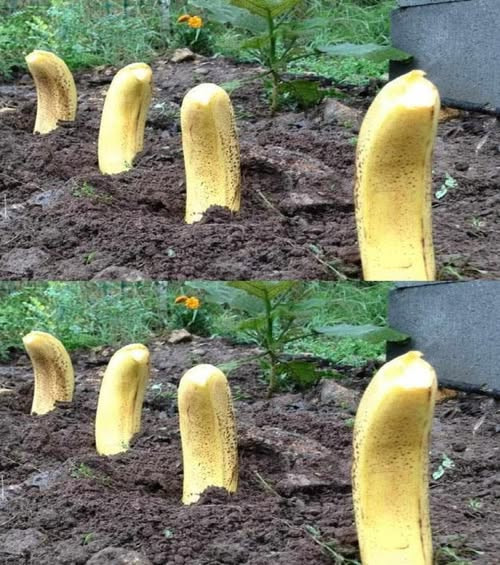
Bananas are a staple fruit in many households worldwide, cherished for their sweet taste, nutritional benefits, and versatility. But have you ever wondered what happens if you bury a banana in the ground and leave it there for a week? This simple experiment reveals remarkable insights into natural decomposition, soil ecology, and even sustainable gardening practices.
In this extensive article, we will explore the science behind organic matter breakdown, the role of bananas in enriching soil, and the intriguing biological processes occurring beneath the surface. Whether you are an avid gardener, an environmental enthusiast, or simply curious about natural decay, understanding the outcome of burying a banana in the earth can open your eyes to the marvels of nature’s recycling system.
Table of Contents
- Introduction: Why Bury a Banana?
- The Science of Organic Matter Decomposition
- Bananas as Organic Waste: Composition and Breakdown
- What Happens in the Soil When You Bury a Banana?
- The Role of Microorganisms in Banana Decomposition
- Timeline of Banana Decomposition: What to Expect Day-by-Day
- The Impact of Soil Type on Decomposition Speed
- Environmental Factors Affecting Banana Breakdown
- Soil Enrichment and Nutrient Recycling from Buried Bananas
- How Burying Bananas Can Benefit Your Garden
- Common Myths and Misconceptions About Burying Food Waste
- Step-by-Step Guide: How to Bury a Banana for Maximum Soil Benefit
- Using Buried Bananas to Attract Earthworms and Beneficial Insects
- The Role of Fungi in Decomposing Buried Bananas
- What You Should Not Do When Burying Bananas in the Soil
- Differences Between Burying Whole Bananas vs. Banana Peels
- Comparing Banana Decomposition to Other Fruit and Vegetable Waste
- Practical Uses: Banana Burying in Composting and Permaculture
- Observing Changes After 7 Days: What You’ll See
- Troubleshooting: Why Your Banana May Not Decompose Quickly
- How to Incorporate Banana Burying into Sustainable Gardening
- The Environmental Benefits of Natural Decomposition
- Potential Risks of Burying Food Waste Improperly
- Frequently Asked Questions About Burying Bananas
- Final Thoughts: The Power of Simple Natural Processes
1. Introduction: Why Bury a Banana?
In an era where sustainability and eco-friendly practices are paramount, many gardeners and environmentalists seek innovative ways to reduce waste and enrich the soil naturally. Burying organic waste such as bananas is a simple, chemical-free technique that encourages natural recycling.
But bananas are not just any organic waste. Their unique composition, high moisture content, and rich nutrient profile make them particularly interesting candidates for soil enrichment experiments. This article answers the question: what happens after burying a banana for 7 days? The answer involves fascinating biological processes that benefit soil health and promote robust plant growth.
2. The Science of Organic Matter Decomposition
Decomposition is the natural process by which organic substances break down into simpler forms, returning nutrients to the soil. This process involves:
- Microbial activity: Bacteria and fungi play a vital role in breaking down complex molecules.
- Invertebrate activity: Earthworms, insects, and other small organisms consume and fragment organic matter.
- Environmental conditions: Temperature, moisture, oxygen levels, and soil type influence decomposition rates.
Decomposition transforms organic waste into humus — a nutrient-rich substance that enhances soil fertility, structure, and moisture retention.
3. Bananas as Organic Waste: Composition and Breakdown
Bananas are composed of approximately:
- 75% water
- Carbohydrates (mainly sugars)
- Fibers
- Vitamins and minerals (potassium, magnesium, vitamin C, etc.)
- Proteins (in trace amounts)
This high sugar and moisture content make bananas an excellent energy source for soil microbes, accelerating decomposition. Banana peels also contain beneficial compounds such as potassium and phosphorus, critical for plant health.
4. What Happens in the Soil When You Bury a Banana?
When a banana is buried:
- Soil microbes begin to consume the sugars and fibers.
- The fruit’s moisture facilitates microbial metabolism.
- Microorganisms secrete enzymes to break down complex carbohydrates.
- Invertebrates like earthworms may be attracted to the nutrient-rich environment.
- Chemical changes occur, including the release of nutrients into the soil.
These processes work in synergy to degrade the banana and transform it into valuable organic matter.
5. The Role of Microorganisms in Banana Decomposition
Microorganisms such as bacteria and fungi are the primary agents of organic matter breakdown. They:
- Digest sugars, starches, and cellulose.
- Produce enzymes like cellulase and amylase to degrade complex molecules.
- Convert organic material into simpler compounds like carbon dioxide, water, and humic substances.
- Improve soil structure by forming aggregates.
Beneficial fungi also establish symbiotic relationships with plant roots, enhancing nutrient uptake.
6. Timeline of Banana Decomposition: What to Expect Day-by-Day
Day 1-2
The buried banana remains mostly intact. Soil microbes begin colonizing the fruit surface, initiating enzyme secretion.
Day 3-4
The banana starts breaking down visibly. Softening and darkening occur as microbial activity increases.
Day 5-6
The banana’s structure collapses; the fruit becomes mushy and integrates with soil particles.
Day 7
Significant decomposition is evident. The banana may be unrecognizable, with nutrients released into the soil.
7. The Impact of Soil Type on Decomposition Speed
Soil texture and composition profoundly affect decomposition:
- Loamy soil with balanced sand, silt, and clay promotes optimal aeration and moisture.
- Sandy soils drain quickly but may lack moisture for microbes.
- Clay soils retain moisture but can limit oxygen, slowing aerobic decomposition.
- Organic-rich soils have higher microbial populations, accelerating breakdown.
8. Environmental Factors Affecting Banana Breakdown
- Temperature: Warmer soil speeds microbial metabolism.
- Moisture: Adequate moisture supports microbial and invertebrate activity.
- Oxygen: Aerobic conditions favor rapid decomposition.
- pH: Neutral to slightly acidic soils are ideal for most decomposers.
9. Soil Enrichment and Nutrient Recycling from Buried Bananas
As bananas decompose, they release:
- Potassium: Enhances root growth and drought resistance.
- Phosphorus: Vital for energy transfer in plants.
- Calcium and magnesium: Strengthen cell walls and chlorophyll.
- Organic matter: Improves soil texture and water retention.
This nutrient boost supports healthier plants and sustainable soil fertility.
Click page 2 for more