- Keep bananas on the countertop hanging or in a fruit bowl (not in fridge).
- Let them ripen at room temperature.
- If ripeness is reached and you can’t use them immediately, you may refrigerate (especially peeled or cut), but expect the skin to darken.
- For tropical fruits (mangoes, papayas, pineapples), store uncut at room temperature until ripe; refrigerate only after cutting.
Putting It All Together: Kitchen Storage Strategy for Freshness
Now that you know which foods often dislike the fridge, here’s how to integrate this knowledge into your kitchen routine and storage layout.
1. Divide Your Storage Zones
- Cold zone: for dairy, meats, cut produce, delicate perishables.
- Cool / ambient zone: for the seven foods listed above plus other items that resist cold.
- Ventilated / dark zone: for bulbs (onions, garlic), root crops (potatoes), and baked goods.
2. Use the Right Containers & Packaging
- Use breathable bags, baskets, paper sacks for onions, potatoes, herbs.
- Use bread boxes or cloth bags (not sealed plastic) for bread.
- Use airtight jars for coffee and spices, away from heat.
- Avoid placing aromatic foods in containers that can absorb smells in fridge.
3. Monitor Temperature & Humidity
- Keep your ambient zone between ~10–20 °C (depending on climate) and low humidity.
- Avoid placing these foods near heat sources, sunlight, or in very warm kitchens.
- If ambient gets too hot, you may need a cooler pantry or shade.
4. Sequence Usage & Rotation
- Use foods that spoil faster (tomatoes, herbs, bread) earlier in the week.
- Replenish your ambient zone regularly; don’t overstore.
- For items that do well in the fridge only after cutting, plan to move them quickly once opened.
5. Combine Fridge + Ambient Strategy
- Recognize that for some items (like avocado, tomato), you can use the fridge at the right moment (after ripening).
- Use the fridge selectively (cut fruits, leftovers, perishables), and rely on ambient storage for the seven foods above.
6. Prevention & Maintenance
- Check stored foods daily for spoilage, moisture, pests, or decay.
- Air out the ambient zone, wipe away spills, and avoid overcrowding.
- In hot seasons, reduce stock or use partial refrigeration for backup.
Why So Many People Make the Mistake of Refrigerating Everything
Humans often default to “cold equals safety”—but that’s a blunt tool. Here are reasons people overuse refrigeration:
- Misconception that cold always slows spoilage
- Convenience / habit (just put it in the fridge)
- Lack of awareness about texture, flavor effects
- Fear of food safety (mistaken belief refrigeration prevents all spoilage)
- Variable climate (in humid or hot places, ambient spoilage seems faster, so fridge seems safe)
- Overcrowded fridge leading to placing everything inside, even those that suffer
By rethinking which foods need cold and which don’t, you get better flavor, less waste, and optimized kitchen storage.
Final Words: Freshness Outside the Chill
Refrigeration is a powerful tool—but it’s not a universal solution. Many foods do better when stored outside the fridge, in cool dry zones, with proper airflow and attention. Among the surprising ones:
- Bread & baked goods
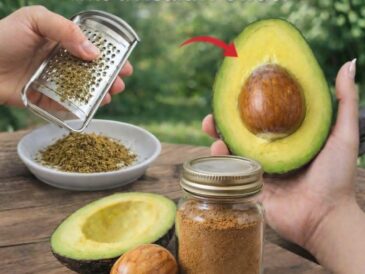
- Whole, unripe avocados
- Tomatoes
- Potatoes & sweet potatoes
- Onions & garlic
- Aromatic herbs (especially basil)
- Bananas & tropical fruits
By recognizing which foods hate the cold, adjusting your storage zones, and intelligently combining ambient + fridge strategy, you can preserve flavor, texture, and shelf life without overchilling everything.