To understand why some foods suffer when chilled, it helps to know a few key principles:
- Cold damages cell structure: In many fruits and vegetables, refrigerated temperatures can break down cell walls, causing mushiness, loss of flavor, or “mealy” texture.
- Slowed ripening = delayed flavor development: Some produce needs metabolic activity (ripening hormones) to develop aroma, color, and sweetness. Cold slows or halts that.
- Starch retrogradation & drying: In breads, cold accelerates a process where starch molecules crystallize (retrogradation), drawing moisture out, making bread stale.
- Moisture / condensation problems: In a fridge, moisture can condense on surfaces, encouraging fungal growth, sogginess, or accelerated decay.
- Flavor absorption & loss: Some items absorb odors or off‑flavors in fridges; others lose volatile aromatic compounds when cold.
- Enzyme / biochemical reactions: Some enzymes (in moderate warmth) help maintain structure, while chilling may cause undesirable chemical changes.
Because of these effects, some foods keep better at room temperature, in cool dry storage, or with a little care. Let’s meet the seven unlikely foods that often fare better when left out of the fridge.
1. Bread & Baked Goods
Perhaps the most classic example: bread stored in the fridge dries out and loses flavor faster.
What Happens When You Refrigerate Bread
- Staling accelerates: The cold causes the starches to recrystallize (retrograde), squeezing water out of crumb structure, making it stiff, dry, and less pleasant.
- Flavor loss: Volatile aroma compounds are suppressed, losing the fresh-baked scent and nuance.
- Texture becomes tough or rubbery: The crumb firms up, crust loses crispness.
- Mold risk is not eliminated: In very humid environments, mold may still develop, even in the fridge.
Ideal Storage & Tips
- Store bread in a bread box, cloth bag, or paper bag at room temperature (cool, dry spot).
- Keep whole loaves uncut until needed; slice only the portion you’ll use that day.
- If keeping longer than a couple of days, freeze bread slices, then toast or warm them when needed.
- Avoid plastic-wrapped bread in the fridge—it traps moisture or condensation which accelerates mold.
- For artisan bread (chewy crust, soft crumb), prioritize on‑counter or in‑box storage over fridge.
2. Avocados (Whole, Unripe)
If you store avocados in the fridge too early, you may disrupt their ripening and compromise texture.
Cold’s Effect on Avocado
- Ripening stalls: The chilling prevents enzymes from converting starches to sugars, slowing ripening.
- Flesh texture degrades: Cold can lead to fibrous or grainy texture, instead of smooth creaminess.
- Flavor dulling: Some aromatic compounds may diminish in the cold environment.
Storage Strategy
- Leave whole, unripe avocados at room temperature until they yield gently to slight pressure (ripe).
- Once ripe, you may refrigerate them briefly (a few days) to slow further ripening if needed.
- If avocado is cut, wrap tightly (with plastic, or pressed against the flesh), drizzle with acid (lemon or lime), and refrigerate to minimize oxidation.
3. Tomatoes
Tomatoes are highly sensitive to cold and often lose all charm when refrigerated.
What Goes Wrong
- Loss of aroma and flavor: Cold disrupts volatile compounds that give a tomato its fragrance.
- Mealy or dull texture: The cold damages cell membranes, causing a mushy or grainy interior.
- Color dulling / skin degradation: Chilling can dull the vibrant hue and damage surface.
How to Store Tomatoes
- Keep them on the counter in a single layer, out of direct sunlight, stem side up.
- If they ripen faster than you can use them, place them in a slightly cooler area (not fridge) or partially wrap (but avoid full refrigeration unless absolutely needed).
- Use overripe ones quickly (sauces, cooking) if they begin to soften.
4. Potatoes & Sweet Potatoes
These root vegetables generally resent the cold more than many people realize.
Why the Fridge Is a Mistake
- Cold converts starches to sugars: This can make potatoes taste sweet and starchy, and also lead to undesirable browning when cooked.
- Texture changes: The interior can become gritty, mealy, or degrade faster under cold stress.
- Moisture / condensation risk: In fridge, humidity can lead to rot or sprouting.
Correct Storage
- Store in a dark, cool, dry place (like a pantry or cellar), ideally in breathable containers (paper bags, mesh sacks).
- Keep away from direct light (which triggers sprouting) and away from onions (which emit gases that speed spoilage).
- Use within a few weeks for best quality.
5. Onions & Garlic (Whole)
These kitchen staples often suffer in fridge environments.
Problems with Refrigerating
- Moisture uptake: Cold, humid air leads to softening, rot, or mold.
- Sprouting / deterioration: Cold can stress bulbs, prompting sprouting or internal degradation.
- Loss of flavor / aroma: Some volatile sulfur compounds may degrade.
How to Store
- Keep bulbs in cool, dry, dark places, in ventilated containers (mesh, paper bags, open baskets).
- Do not store in sealed plastic (restricts airflow).
- Store them away from potatoes (gasses from potatoes can hasten spoilage).
6. Herbs & Aromatic Greens (e.g. Basil)
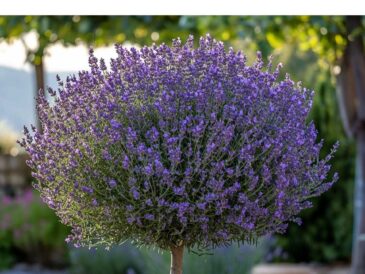
Herbs like basil notoriously suffer when chilled.
Effects of Cold
- Loss of aroma and essential oils: The cold environment reduces or converts aromatic compounds, dulling flavor.
- Wilt or blackening: Leaves often turn black or limp in fridge conditions.
- Absorb odors or moisture: Herbs readily absorb ambient flavors and moisture.
Better Storage Techniques
- For basil: treat it like a bouquet—place stems in a jar of water on the counter, loosely cover.
- For other herbs: trim stems, place in a glass of water or wrap damp paper towel loosely, keep in moderate temp—not cold.
- Use within a few days for best flavor.
7. Bananas & Many Tropical Fruits
Because they evolved in warmer climates, many tropical fruits do best in room temperature.
Cold’s Adverse Impact
- Skin blackening: The peel may turn dark, even though flesh may still be edible.
- Flavor suppression: Cold can dull sweetness and aromatic compounds.
- Texture shift: The inside may become mealy or mushy.
Storage Guidelines
Click page 2 for more