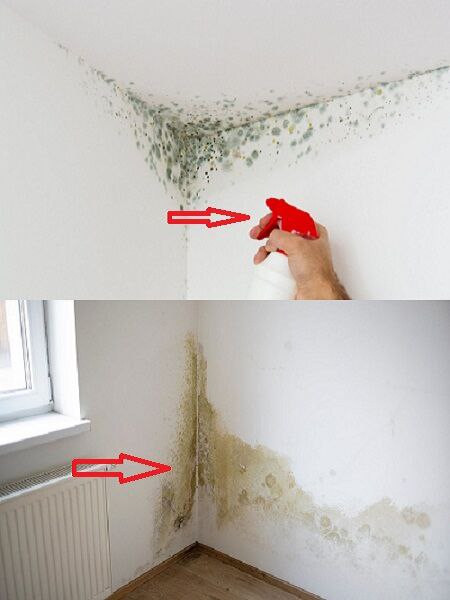
Adapting for Different Materials
| Material | Notes / Tips |
|---|---|
| Painted drywall | Test in hidden area; avoid strong scrubbing that removes paint |
| Wood (sealed) | Use minimal moisture, wipe dry quickly; avoid soaking |
| Tile / grout | Tile surfaces handle more moisture; grout may need stronger scrub |
| Plastic / metal | Very safe to use; rinse fully after scrubbing |
| Fabrics & upholstery | Use vinegar + baking soda spot-clean method; dry thoroughly, perhaps use a blower fan |
7. Preventive Maintenance: Keep Mold Away Long Term
The best “disappearance” is not just getting rid of mold once—it’s preventing its return.
Environmental Controls
- Keep indoor relative humidity below ~55%
- Use exhaust fans in bathrooms, kitchens
- Run dehumidifiers in basements, damp zones
- Ensure air circulation—avoid stagnant corners or blocked airflow
Structural & Leak Management
- Fix leaks promptly (roof, plumbing)
- Insulate walls to reduce condensation
- Ensure good vapor barrier, drainage, ventilation in crawl spaces
- Regularly check and seal windows, door frames, roof edges
Routine Cleaning & Inspection
- Wipe down walls, baseboards, corners periodically with mild vinegar mix
- Inspect vulnerable areas (behind furniture, under sinks, closets) monthly
- Avoid storing damp, wet items indoors; dry them fully
- Reduce clutter and items against walls so airflow penetrates
Storage & Furniture Practices
- Keep furniture slightly off walls to allow airflow
- Use breathable shelving, avoid fabric surfaces pressed against walls
- Avoid placing plants against walls or in damp corners
Rapid Intervention
- The moment you see any early mold spotting, treat it with the vinegar + baking soda trick
- Don’t delay—small patches are easier to remove than large spread
With vigilance and prevention, mold becomes a sporadic nuisance instead of a recurring battle.
8. When the Trick Isn’t Enough: When to Seek Professional Remediation
While the grandmother’s trick is powerful, it has limits. Some situations require escalated action.
When It Fails or Is Unsafe to Use
- Extensive mold infestation covering large wall areas or across multiple rooms
- Water damage zones or structural mold behind walls
- Mold associated with flooding, sewage, or persistent moisture intrusion
- Mold in HVAC ducts or hidden cavity spaces
- Significant health symptoms in occupants (respiratory distress, allergic reaction)
- Surfaces that cannot tolerate moisture or scrubbing (delicate finishes, plaster)
In such cases, professional mold remediation is safer. The quick trick is best for spot treatment, early mold, or maintenance.
9. Case Example: From Nuisance to Clean Surface
To illustrate how this works in practice, here’s a fictional scenario (but based on real patterns).
The Spot in the Bathroom
The homeowner noticed a faint black smudge forming near the corner where the shower and wall meet. Steam and condensation accumulate there. It started small, maybe 2–3 cm in size.
Using the trick:
- Ventilate the bathroom, open window, run fan
- Spray undiluted white vinegar on the spot; let sit 45 minutes
- After dwell, sprinkle baking soda, scrub gently
- Rinse, dry thoroughly
- Run fan / leave door open to complete drying
Result: The mold spot nearly vanished. Over the next weeks, the homeowner checked nightly; the spot did not return. Also installed a small exhaust fan and squeegees the walls after shower, preventing moisture buildup.
Within 2 months, that mold area is no longer visible, and adjacent areas are cleaner too.
That’s the power of timely action + this trick.
Putting It All Together: Routine You Can Adopt
Here’s a recommended routine to make this old trick part of your home maintenance rhythm.
- Monthly / Biweekly: Inspect mold-prone corners, lightly spray vinegar and wipe
- When you spot mold: Use the full vinegar + baking soda method immediately
- Weekly: Ventilate, check humidity, ensure fans/exhaust are working
- Seasonally: Deep-clean walls, corners, baseboards; manage leaks
- Yearly: Inspect behind furniture, closets, crawl spaces for creeping mold
By weaving this into your cleaning schedule, mold becomes a minor issue, not a crisis.
Final Thoughts: Why the Old Trick Still Matters
In a world full of expensive mold remediation systems and factory sprays, the grandmother’s trick remains compelling because:
- It’s low-cost and accessible (vinegar, baking soda)
- Gentle and safe on many surfaces
- Doesn’t require harsh chemicals or specialized gear
- Empowers homeowners to take quick action
- Works especially well for early or localized mold
- Supports preventive maintenance rather than crisis cleanup
Mold doesn’t disappear overnight permanently—but with this trick, plus environmental control and vigilance, it can disappear from your visible surfaces and remain under control.
Try it in one corner, monitor it, refine the placement and method. You may find that the trick your grandmother knew is one of the most reliable, sustainable mold defenses in your home toolkit.