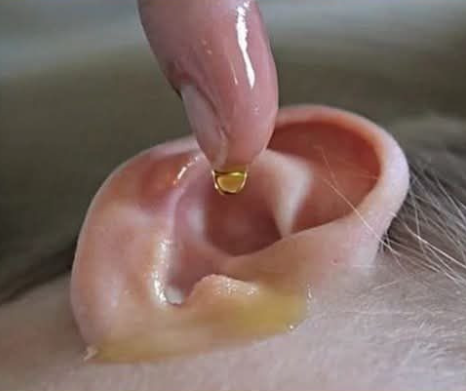
Even if the drops are good, misuse can rob them of benefit. Here’s what people commonly do wrong:
- Using too many drops or flooding the canal – leads to runoff and wasted dose.
- Using cold drops – can trigger vertigo or shock.
- Not tilting / positioning properly – drops may pool away from affected site.
- Letting dropper touch ear – contamination risk.
- Using incompatible other ear products simultaneously – dilution, interaction.
- Not completing full course – early relief may tempt you to stop, but the cause may remain.
- Ignoring worsening symptoms – drop therapy is not a substitute for medical care.
- Using drops through a damaged eardrum – risk reaching middle ear, causing irritation or infection.
Case Examples: When 4 Drops Made a Difference
Here are hypothetical stories (based on many reported experiences) showing how four carefully chosen drops made a visible difference.
Case A: Swimmer’s Ear Relief in One Dose
A young adult developed itching, mild pain, and swelling after a day at the beach. She placed four drops of a specially formulated antimicrobial/anti-inflammatory ear drop, lay with ear up, and within 30 minutes experienced relief from itch and pressure. Over the next two days, she continued drops and avoided swimming — the infection resolved without needing oral antibiotics.
Case B: Wax Softening Before Ear Cleaning
A middle-aged person had muffled hearing due to earwax buildup. He used four drops of a carbamide peroxide softener twice daily for two days. After the first dose, he felt a softening and slight ease. After the second, he rinsed gently (after waiting) and the wax loosened and exited.
Case C: Post‑Cleaning Irritation
After having a professional ear cleaning, someone felt dryness, minor irritation, and itch in the canal. They used four drops of a soothing, low-dose anti-inflammatory formula. Within minutes, the discomfort eased and, over a day, the irritation resolved fully.
Case D: Mild Pressure / Congestion
Someone with seasonal allergies experienced mild ear fullness. They used four drops of a drop with osmotic (glycerin) effect plus anti-inflammation. The pressure feeling reduced within an hour, and over subsequent uses, full ear openness returned.
Each case shows that four drops can initiate a chain of relief—if the drop and condition are matched well.
How to Choose or Formulate a Drop That Works with Just Four Drops
If you’re creating your own ear drop or selecting a product, here is a guideline checklist to aim for:
- Potent active ingredients that act at low concentration (antimicrobial, anti-inflammatory, osmotic)
- Good penetration (use of carrier systems or enhancers)
- Biocompatibility with ear canal tissue
- pH matching ear environment (usually slightly acidic to discourage bacteria)
- Safe preservative / stabilizer system
- Sterility or microbiological safety
- Low viscosity so four drops can spread well
- Minimal irritants or allergens
- Appropriate dosing schedule for condition
When you pair a well-designed drop with correct usage, four drops can become meaningful.
When Four Drops Are Not Enough (and What to Do Next)
If after the initial four drops (or first dose) you don’t feel at least partial relief, don’t despair—but adjust expectations.
Here’s what to do:
- Continue using drops at recommended intervals (2–3 times/day or as directed).
- Allow 2–3 doses to see trend (improvement or not).
- Combine with supportive measures: warm compress, gentle jaw movements, keeping head elevated, avoiding irritants or loud noise.
- Reassess symptoms: new pain, fever, bleeding, dizziness—all signs you need a professional.
- Seek care if no improvement in 48–72 hours or if symptoms worsen.
- In stubborn cases, imaging or specialist evaluation may reveal structural problems or chronic disease needing more than drops.
In short: four drops is a starting point, not a universal cure.
The “Marketing vs. Reality” of “Four Drops Cure”
Because the phrase “just four drops” sounds sexy and simple, it’s often used in marketing claims—“cure your ear problem with just four drops!” That exaggeration leads to:
- Overpromising results (claiming complete cure in one dose)
- Underplaying the need for diagnosis and follow-up
- Ignoring individual variation and severity
- People delaying appropriate medical care
Always treat the “four drops” promise with skepticism—but also recognize that it may spark interest in promising therapies. The best approach: test cautiously, monitor carefully, and back it up with common-sense safety.
Final Thoughts: The Promise and Limits of “Four‑Drop Therapy”
Yes—sometimes, putting four drops in your ear can lead to noticeable relief. For mild conditions, irritation, itching, early-stage external ear infections, or wax softening, a well-crafted ear drop can begin relieving symptoms immediately. But it’s rarely a full cure in a single dose.
To maximize the benefit:
- Use high-quality, well-designed drop formulations
- Apply correctly (sterile technique, positioning, warm dose)
- Observe and repeat appropriately
- Know when to stop and seek medical care
- Use drops as part of a holistic ear care approach (avoid aggravators, protect ears, manage allergies or upstream issues)
Don’t fall for hyperbolic claims—yet don’t dismiss the possibility that a small, precise dose delivered locally can be surprisingly effective. The ear is delicate, sensitive—and sometimes it only needs four drops of the right remedy to bend the balance back toward comfort, clarity, and hearing.