✅ Use a Drain Snake (Manual Auger)
A simple drain snake or hand auger can reach deeper clogs that DIY solutions can’t. Just feed the flexible wire into the drain and twist it to snag or push through the blockage.
They’re inexpensive and easy to use for light blockages.
✅ Wet/Dry Shop Vacuum
If you have a shop vac, it can be used to suck out or blow through a clog. Seal the hose around the drain and give it a few blasts.
Make sure to set it to liquid mode if using suction.
What You Should NEVER Do
❌ Don’t Overuse Chemical Drain Cleaners
They may work in emergencies, but they’re harsh on your plumbing and dangerous to use frequently. Chemicals can:
- Corrode pipes over time
- Damage septic systems
- Harm your skin or eyes
- Produce toxic fumes if mixed with other substances
Use chemical cleaners as a last resort—if at all.
❌ Don’t Force Water Down the Drain
Running the tap constantly during a clog can flood the sink and push the clog deeper. Always test with small amounts of water after each step.
❌ Don’t Use Toilet Plungers
Toilet plungers don’t create a proper seal in sinks and may actually splash dirty water around. Always use a flat-bottom plunger made for sinks.
How to Prevent Future Clogs (Without Buying Anything)
Unclogging is great—but preventing clogs is even better. Follow these daily habits to keep your kitchen drain flowing smoothly.
🧼 Tip 1: Rinse With Hot Water
After washing dishes, run hot water down the drain for 15–30 seconds. This helps melt away grease and flush out soap residue.
🧽 Tip 2: Use a Drain Strainer
A simple mesh strainer can catch food scraps before they go down the drain. Empty it after each use.
🗑️ Tip 3: Don’t Pour These Down the Drain
- Cooking grease or oil
- Coffee grounds
- Pasta and rice
- Eggshells
- Fibrous peels (onion, celery, corn husk)
These items may go down easily at first, but they don’t dissolve and often cause major blockages later.
🥄 Tip 4: Clean Weekly With Baking Soda and Vinegar
Make it a habit to treat your drain once a week.
- Pour ½ cup of baking soda
- Add ½ cup of vinegar
- Let it sit for 15 minutes
- Flush with hot water
This keeps your pipes fresh and free-flowing without chemicals.
When to Call a Professional Plumber
Most kitchen sink clogs can be handled at home. But some problems are beyond DIY. If you experience any of the following, it’s time to call a plumber:
- Multiple drains in your home are clogged
- Water backs up in unrelated drains (like the bathtub)
- You smell sewage or rotten odors
- You’ve tried everything and the clog returns repeatedly
These are signs of a deeper problem in your plumbing or main sewer line.
Conclusion: Unclogging Your Sink the Smart Way
You don’t need to panic or spend money every time your kitchen sink slows down or backs up. With just a little patience and the right ingredients, you can fix the problem yourself—quickly, cheaply, and safely.
Here’s the full recap of the fast and cheap method:
- Remove standing water
- Pour boiling water
- Add dish soap
- Use baking soda and vinegar
- Flush again with hot water
- Use a plunger if needed
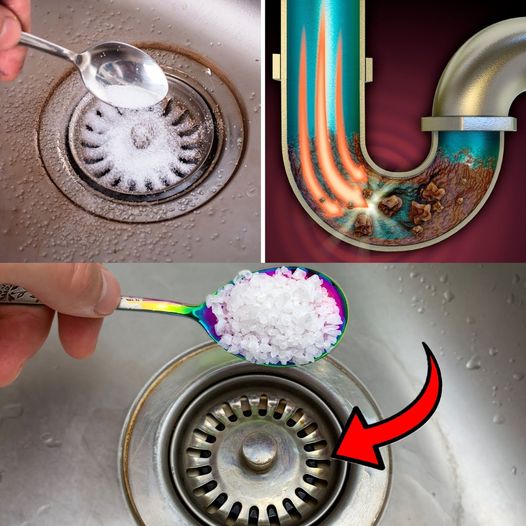
- Optional: Try salt and hot water
Maintain your sink with weekly cleanings and smart habits, and you’ll rarely have to deal with a clog again.
Remember: Plumbing issues don’t always require expensive fixes. Sometimes, the best solutions are already sitting in your kitchen cabinet.