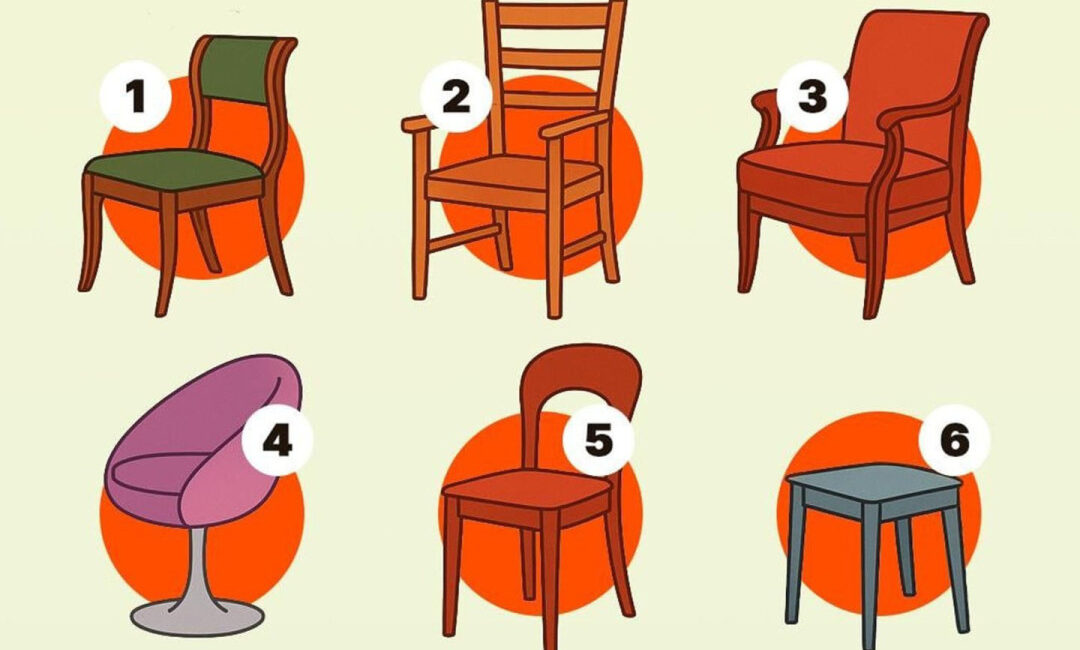
| Profile | Chair Style You Prefer | What This Reveals |
|---|---|---|
| The Leader | Queues up for or invests in an executive leather armchair, possibly also matching bulky desk, stately colors (deep wood, rich leather). | You like to be in charge. You care about image and authority. You probably prefer predictable, traditional codes. You believe in structure and respect. You may also have a strong sense of responsibility. |
| The Artist / Design Enthusiast | Drawn toward statement chairs, bold colors, mid‑century modern, transparent materials, form over function sometimes. | You are creative, expressive. You see things visually and emotionally. You enjoy beauty, novelty. You might take risks, prefer originality. You likely derive satisfaction from aesthetics and uniqueness. |
| The Comfort‑Lover / Homebody | Chooses overstuffed, plush, recliner, reading chair, sometimes lei‑like chairs you can lounge in. | You value rest, solitude, coziness. You may enjoy curling up with a book, enjoying light, soft textures. You prioritize comfort and emotional warmth. Possibly family‑oriented, nurturing, or reflective. |
| The Minimalist / Zen Seeker | Picks sleek, simple lines; neutral tones; minimal decorations; perhaps Scandinavian design; possibly lighter materials. | You want simplicity, peace. Less clutter visual or physical helps you feel calm. You appreciate elegance in understatement. You probably organize, like routines, can feel overwhelmed by too much stimulus. |
| The Hustler / Efficiency Fan | Swivels, wheels, ergonomic adjustments, charge ports nearby, functional design, easy‐clean fabrics. | You focus on productivity, time, efficiency. Comfort is essential but only if it enhances performance. You may be practical, goal oriented, hardworking, detail focused. |
| The Traveler / Adaptable One | Folding chairs, portable stools, camping chairs, lightweight materials; often many chairs in many locations. | Flexibility matters to you. You adapt easily. You are comfortable with change or lacking permanence. Possibly minimal possessions; value mobility; perhaps life with many transitions. |
Part VI: Transforming Chair Awareness Into Better Choices
Now that you recognize what your chair choices reveal, what can you do with this knowledge? How can you make choices that align with your identity, improve your life, and perhaps introduce positive shifts?
1. Audit Your Current Chairs
Walk through your space (home, office, living area). Note every chair you use regularly. For each ask:
- Do I like sitting in it? Why/why not?
- How long do I sit there at a time?
- What does it cost me, physically (back, neck, comfort)?
- What does it cost emotionally or mentally (am I happy using it, does it create joy or stress)?
This audit helps you see mismatches.
2. Identify Priorities
Decide what matters most:
- Comfort vs style
- Mobility vs stability
- Long sitting vs short bursts
- Posture vs lounging
Rank these for yourself. Your chair choices should reflect your priorities.
3. Make Intentional Upgrades or Adjustments
- If you need better support, add ergonomic features (lumbar cushion, footrest, headrest).
- If your aesthetic needs a match, consider reupholstery or covers rather than replacing.
- If comfort is lacking, invest in one “favorite chair” that you use often.
- If you move a lot, prioritize portability.
4. Mix & Match for Different Purposes
You may not need one chair to do everything. It’s healthy to have different chairs for different tasks:
- A task/office chair for work or study
- A lounge or reading chair for relaxation
- A dining chair(s) for meals and social interaction
- A portable or outdoor chair for porch, balcony, travels
Each type serves different needs—allowing your body and mind to shift modes.
5. Maintain and Care for Your Chairs
Because your chair also reveals respect for things, caring for your chair shows self‑value:
- Clean upholstery, maintain mechanics (swivel, recline)
- Adjust screws or fittings when things get loose
- Rotate usage if one chair wears more than others
Well‑maintained chairs feel better—they support your comfort and appearance long term.
Part VII: Common Misconceptions & Myths
Understanding what your chair says doesn’t mean you need to conform to a stereotype. Let’s dispel some myths.
- Myth: Only expensive chairs matter
False. Sometimes a well‑chosen affordable chair or even a refurbished one fits you better than an expensive, fancy but uncomfortable design. - Myth: Fashion over function is vain
Not necessarily. If style brings you joy or confidence, that matters. Just aim not to sacrifice comfort or health entirely for looks. - Myth: One chair is enough
Many people try to make one chair do everything. That’s tough. Having variety helps your posture, mood, and prevents overuse injuries. - Myth: You must change if your chair doesn’t “match” your personality
Not “must.” This is about awareness. If you love a chair that seems “out of character,” maybe it says something aspirational. That’s okay.
Part VIII: Final Thoughts & Reflection
At its heart, the way you choose and use chairs is a small but powerful expression of your inner life—your values, priorities, aesthetic sense, confidence, and even what you hope others see in you or how you want to feel. Chairs surround us; we sit in them more than we realize. And what we sit in shapes how we sit—physically, mentally, socially.
So one more prompt: take a moment. Think about the chair you’re sitting in right now. What does that chair say about you? How do you feel in it? What would you choose if you had the freedom to pick anything in the world?
If anything doesn’t feel aligned—if your chair doesn’t serve or represent you—you have permission to choose differently. After all, comfort, identity, and well‑being are intertwined. The next time you buy or arrange a chair, treat it not just as utility, but as a statement about who you are—or who you want to become.
Summary Checklist: What Your Chair Choice Reveals & What You Can Do
- Is it styled for status or simplicity? → Reveals how much you care about image vs peace.
- Hard or soft, strict or plush? → Reveals tolerance for discomfort, your need for rest or the edge between comfort & performance.
- Modern or classic materials/design? → Reveals your aesthetic leaning: tradition or innovation.
- Features: ergonomic adjustments, recline, wheels? → Reveals whether you see sitting as static or something adjustable, dynamic.
- How many chairs / how many types you have → Reveals variety in your life, how many contexts you inhabit.
Let your future chair choice reflect not just what you need, but who you are or strive to be. Your comfort deserves clarity—and your chair may just help you sit more deeply, both literally and figuratively.