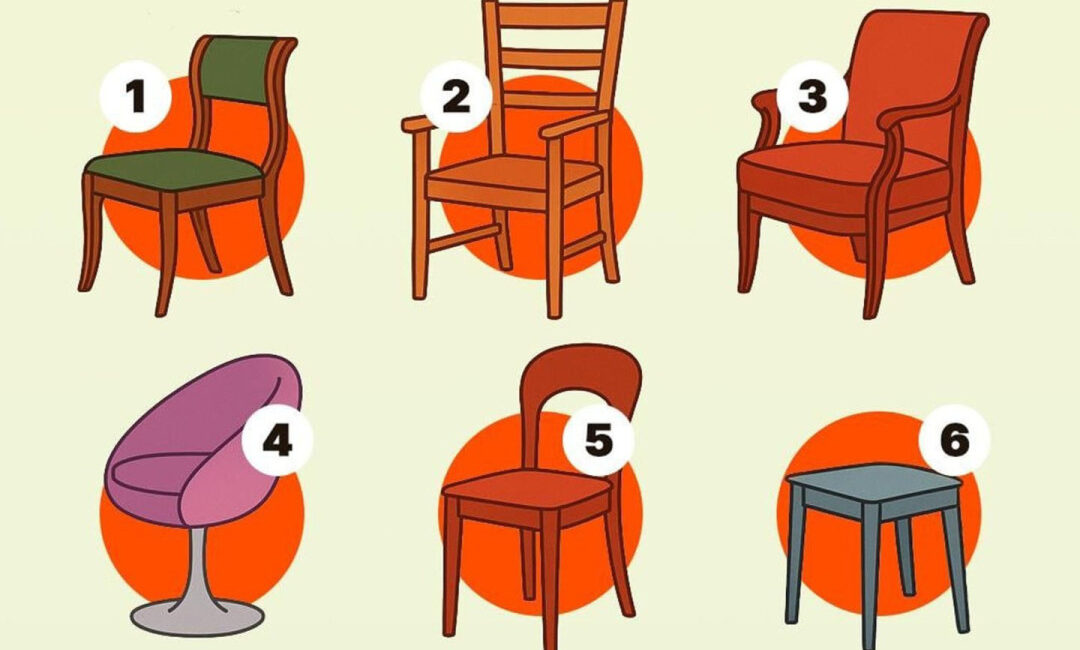
Have you ever thought about how the way you sit reflects who you are? Not just your posture, but which chair you choose, how you arrange it, what features you care about—really, what your chair says about your personality. Chairs are more than just functional objects. They’re subtle mirrors showing how you relate to comfort, status, creativity, discipline, aesthetics, and many other facets of your identity.
In this article, we’ll explore what your choice of chair—whether at home, in an office, a café, or anywhere—reveals about you. We’ll cover what different styles say about personality types, values, habits, and even your social preferences. Along the way, you may recognize yourself in some of these descriptions. Once you know what your chair says, you may even start making more intentional choices about what you sit on—and where.
Part I: Why Chairs Matter More Than You Think
Before diving into specific chair preferences, let’s unpack why chairs are so meaningful.
- Comfort and Well‑Being
The chair you gravitate toward tells us what you need physically—support, softness, adjustability, posture. It shows whether you prioritize comfort above all else or are willing to endure discomfort for style or status. - Aesthetic Values
Chairs are design statements. Their curves, materials, color, and size reflect your sense of taste. Do you like modern minimalism, ornate traditional styles, rustic warmth, or avant‑garde shape? - Psychological and Personality Clues
The way you choose and use a chair—do you lean back regal‑style, do you perch forward, slouch, cross your legs?—reveals traits like confidence, insecurity, conservatism, rebellion, openness, or creativity. - Lifestyle and Priorities
Your chair choice often hints at what you prioritize: work vs relaxation, productivity vs leisure, aesthetics vs function. It may also signal your budget, how much time you spend in one spot, or whether you’re a frequent mover. - Social Signals
The chair you sit in during meetings, gatherings, or public spaces says something to others: about your self‑image, status, approachability, formality, casualness, etc.
So yes—a chair is not just furniture. It’s non‑verbal communication, with you as both speaker and listener.
Part II: Six Common Chair Preferences & What They Reveal
Below are six popular types or styles of chairs many people gravitate toward. For each type, we’ll explore what preference for that style tends to reveal about personality, values, and behavior.
| Chair Type | Key Features | What Choosing It Often Signals |
|---|---|---|
| 1. The Executive Leather Armchair | High back, plush leather (real or faux), solid frame, prominent armrests, possibly swivel and recline functions. | Authority & Status Consciousness — You care about projecting a sense of power and formality. You want your space to communicate respect. Perhaps you spend a lot of time holding meetings, directing, or being in leadership roles. You don’t mind investing for durability and presence. Also you prefer comfort with elegance. You may be more traditional, value structure, appreciate things that last. Sometimes, you enjoy being in the spotlight. |
| 2. The Minimalist, Mid‑Century Modern Chair | Clean lines, uncluttered shape, thin legs, neutral or pastel tones, slim cushions, light materials. | Simplicity, Aesthetic Clarity & Creativity — You favor clarity. You don’t want distractions. You value artistry, design, balance. Probably you prefer environments that are not overly filled, that allow you to breathe, to think, to focus. You appreciate good design, art, visual harmony. Pragmatic but with taste. You like visual calm. Possibly more open‑minded and imaginative. |
| 3. The Cozy, Overstuffed Armchair (Recliner, Reading Chair) | Thick cushions, soft upholstery (velvet, corduroy, plush fabric), ottoman or footrest capability, high arms, enveloping back. | Comfort Seeker, Homebody, Reflective or Introverted — You value relaxation and refuge. You want to sink into comfort. You probably read, think, spend time at home. You might be a dreamer, someone who reflects a lot. You may prioritize emotional rest and personal space. Possibly you are nurturing, warm, attentive, or enjoy being in intimate settings rather than in large crowds. |
| 4. The Folding Chair / Multifunction / Portable Chair | Lightweight materials, compact design, easy to move, sometimes basic padding, sometimes no padding, possibly metal or plastic. | Pragmatic, Flexible, Always on the Go — You value utility over style. You adapt easily. You don’t hold on to things that are bulky if they aren’t necessary. Possibly you travel, move often, rearrange your life or shapes of your space. You like things that serve multiple purposes. You’d rather carry less; simplicity in motion matters. Also you may think ahead (about portability, storage, transformation). |
| 5. The Designer / Statement Chair | Bold shapes, unusual materials (acrylic, acrylic + wood, transparent, metals), vivid colors, distinctive silhouette, possibly iconic designer re‑editions. | Trendiness, Bold Style & Outward Expression — You want to be seen. You like speaking with visuals. You enjoy pieces that draw attention, provoke conversation. Likely you care what others think (or enjoy what others think) aesthetically. You may be creative, artistic, social. You may enjoy pushing boundaries, experimenting. Perhaps you like living with art or design as part of your lifestyle. |
| 6. The Ergonomic Task Chair / Swivel Office Chair | Adjustable height, lumbar support, arm adjustments, wheels, mesh or breathable material, designed for working long hours. | Efficiency, Practicality & Productivity Focused — Your life involves work, concentration, long periods of sitting. You want health, you want correct posture. You’re conscious of your body, likely researching comfort. Possibly perfectionist or focused on goals. Probably you value technology or modern solutions. Discipline, structure, planning. You want comfort but of a functional kind. |
Part III: Deeper Personality Traits Revealed by Chair Habits
Preferences for these chair types are only part of the picture. How you use your chair is equally revealing. Let’s look at some habitual nuances that whisper volumes.
A. Posture & Body Language
- Leaning back vs. sitting forward
If you always lean back, arms open, legs uncrossed, you likely feel confident, comfortable in your environment. If you tend to sit forward, chair tilted, maybe even perched on the edge, you may be eager, ready for action, or anxious. - Crossing legs vs. straight legs
Crossing your legs (especially tightly at the knee) can suggest a desire for protection, perhaps defensiveness, or simply comfort and habit. Legs kept straight or uncrossed often denote openness, neutrality, or even a concern for posture and health. - Arm position
Arms crossed, arms on armrests, hands in lap, arms on table—each tells something. Arms crossed often signal closed‑off or waiting, while open arms suggest welcoming and ease. - Rotation of your torso
If you twist to one side while sitting, perhaps you’re orienting toward something: a conversation partner, the TV, a window. It may suggest where your focus is, or where your interest lies. Or it could imply discomfort, trying to find a better angle.
B. Adjustments & Modifications
- Do you add pillows, cushions, blankets, or foot‑rests? That reveals attentiveness to your comfort, possibly sensitivity to temperature or textures.
- Do you ignore ergonomic features, or obsessively tweak them? Obsession suggests care, perhaps perfectionism. Indifference suggests flexibility or maybe lack of interest.
C. Seat Location & Surroundings
- Where do you place your chair? Near a window, near a table, facing inward or outward? Facing a wall might suggest introspection or preference for privacy; facing outward suggests openness or maybe anxieties.
- How many chairs do you have? One perfect chair? Many utilitarian chairs? This can tell whether you focus on specific comfort (you have one favorite) or adapt to what’s available.
D. Frequency & Duration
- Do you spend long hours in your chair (working, gaming, reading)? That suggests that your chair must serve more than decoration—it must support your needs.
- Alternately: sometimes people have many chairs, use each one for shorter bursts; implies activity, mobility, changing tasks, not staying sedentary.
Part IV: What Your Chair Choice Might Mean for Life Outcomes & Well‑Being
Knowing what your chair reveals is more than just fun. There are real implications for your comfort, productivity, mental and physical well‑being. Here are some possible correlations:
- Health Impacts
Choosing an unsupportive chair, especially for long hours, can lead to back pain, neck strain, hip stiffness. If you pick ergonomics, you are investing in your health. - Emotion & Mood
A chair that fits your personality can improve mood. Feeling comfortable physically often translates to feeling relaxed mentally. Conversely, a chair that clashes with your preferences (too hard, too soft, awkward shape) can irritate you, make you restless. - Social & Professional Impression
In a workspace or meeting, your chair sends signals. If you arrive in a stylish statement chair, people may perceive you as confident and well‑established. If you’re using a folding chair in front of visitors, it may affect how others perceive you. - Creativity & Productivity
The right chair can facilitate creativity — think of loosening posture, making room for movement, being comfortable enough to think. Task chairs enable prolonged focus. Overstuffed recliners may be great for reflection but poor for working. - Personal Identity & Values
Your chair choice often aligns with your values: sustainability (materials, second hand), artistry, status, minimalism, thrift, boldness. What you pick shows what you stand for, what you nurture in yourself.
Part V: Dive Into Chair Profiles—Which One Matches You?
To help you see yourself more clearly, here are several “chair profiles.” Which one sounds most like you? You might find you’re a mix of several. See what insights pop up.
click page 2 to continue