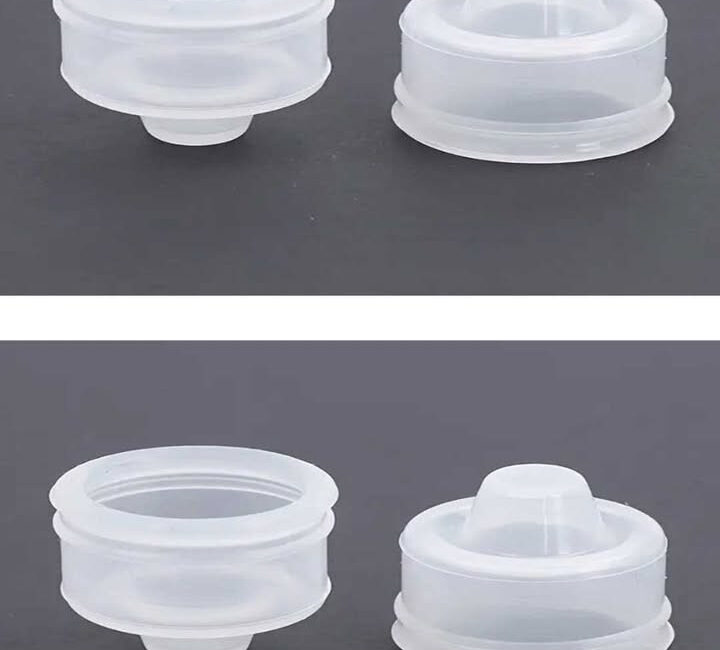
That tiny silicone piece opened our eyes to just how many gadgets rely on small, often invisible components to function safely and efficiently. They’re tucked away in nearly every room of the house.
In the Kitchen:
- Blender seals to prevent leaks
- Oven door gaskets for proper heat retention
- Coffee maker washers to manage pressure
- Kettle lids for steam control
In the Bathroom:
- Toothbrush charger grommets
- Hair dryer seals
- Water flosser valves
In the Nursery:
- Pacifier and bottle valves
- Breast pump diaphragms
- Sippy cup air vents
In the Garage:
- Power tool gaskets
- Hose washers
- Battery compartment seals
In Electronics:
- Smartphone waterproofing seals
- Wearable device covers
- Earbud ear tips
All of these parts share one thing in common: function over form. They’re rarely noticed—until they’re missing.
Chapter 7: Maintenance Tips to Prevent Future Disappearances
After our little mystery was solved, we took steps to prevent it from happening again. Here’s what we now do—and you should, too:
1. Remove and Clean Small Parts Separately
When cleaning your pressure cooker lid or any other appliance with small silicone parts, remove them first and wash them by hand. Place them in a small bowl to avoid losing them in the sink.
2. Air-Dry in a Safe Spot
Designate a drying area specifically for small parts. Use a clean cloth or tray so they don’t roll off and vanish.
3. Inspect Regularly for Wear and Tear
Over time, silicone can degrade due to heat, friction, or exposure to harsh detergents. Check for cracks, stretches, or discoloration and replace as needed.
4. Keep Spare Parts Handy
You can often buy replacement gasket kits for pressure cookers and other appliances. Having spares ensures you’re not left without a functioning appliance in a time of need.
5. Secure Before Use
Make sure all gaskets and seals are properly installed before starting any cooking process. A misaligned gasket can cause more problems than a missing one.
Chapter 8: Small Parts, Big Lessons
What began as a mysterious silicone circle in the sink evolved into an eye-opening journey into appliance maintenance, household safety, and the surprising importance of the “invisible” components we rely on every day.
That one small float valve gasket reminded us that attention to detail isn’t just for engineers or mechanics—it’s for anyone who wants to run an efficient, safe, and cost-effective home.
It also reminded us that sometimes the most overlooked parts are the most essential.
Chapter 9: Final Thoughts — The Importance of Curiosity in the Home
Had we just shrugged and tossed the silicone thing in the trash, we would’ve missed the opportunity to learn something useful. Our pressure cooker would likely have malfunctioned. We may have wasted food, energy, and money. Instead, a little curiosity led to better awareness—and ultimately, a more functional household.
So next time you find something unfamiliar while cleaning or organizing—don’t ignore it. That tiny piece could be the key to something bigger. Whether it’s maintaining home safety, ensuring appliance longevity, or saving money on repairs, small details truly make a difference.
Summary Checklist: What To Do If You Find a Random Silicone Piece
- Inspect the object: Look for size, shape, material, and wear.
- Think contextually: Where was it found? What was nearby?
- Check kitchen appliances first: Pressure cookers, blenders, kettles.
- Verify parts on known devices: Look for missing components or odd performance.
- Store small parts safely during cleaning.
- Replace worn or lost parts promptly.
- Celebrate your curiosity: It could save your dinner—and your appliance.
Small Piece, Big Impact — And A Lesson Learned
This seemingly mundane discovery in the sink was a reminder of how easy it is to take our appliances and everyday conveniences for granted. It also underscored the importance of the small, silent workhorses behind the scenes—the silicone gaskets, the rubber washers, the plastic valves—each doing its job without applause, until something goes wrong.
Now that we’ve cracked the case, our kitchen feels just a little smarter, our appliances run a bit smoother, and our sense of curiosity has been richly rewarded.
And the next time my husband finds a “weird little thing” in the sink?