Introduction: Why Personal Safety on the Road Matters More Than Ever
Traveling alone, whether for work, leisure, or emergencies, comes with an inherent set of risks. In today’s world, personal safety is a priority that cannot be overlooked—especially when you are behind the wheel in unfamiliar or isolated environments. The convenience of solo travel is unparalleled, offering freedom and flexibility, but it also requires a heightened sense of awareness and preparedness.
One simple, yet remarkably effective, safety measure has resurfaced from the depths of old-school knowledge—specifically long-haul truckers who spend countless hours on the road. This involves a quick modification of your passenger seatbelt that can add an unexpected layer of security to your vehicle while stopped, parked, or even resting inside your car.
This article explores this simple seatbelt trick in detail, explaining why it matters, how to perform it, and how it fits into a broader context of proactive personal safety habits on the road.
The Real Risk: Solo Travel and Vulnerability
For many solo travelers, especially women or late-night workers, the risk of car break-ins, theft, or even carjacking is not just hypothetical—it’s a serious concern. According to various crime statistics, car-related crimes tend to spike in isolated areas such as highway rest stops, parking lots, or during nighttime stops at traffic lights.
When you’re alone, your vehicle becomes your personal sanctuary and first line of defense. Yet, it can also make you a target if you’re perceived as vulnerable. Conventional vehicle security—locks, alarms, and windows—provides baseline protection but often falls short against determined intruders who exploit moments when you’re distracted or unaware.
The Simple Seatbelt Trick Explained: What Is It and Why Does It Work?
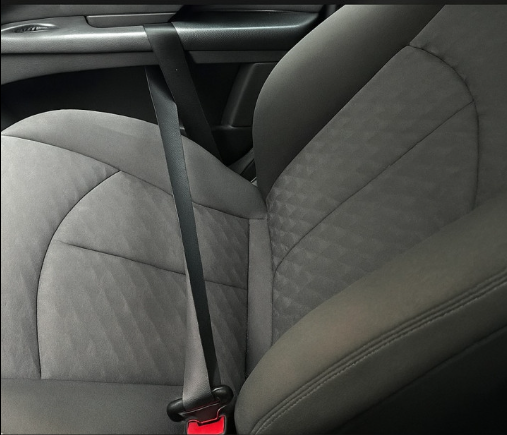
The seatbelt trick involves looping the passenger side seatbelt through the door handle inside your car and buckling it as if you’re securing a passenger. This method is ingenious in its simplicity and effectiveness for several reasons:
- Physical Barrier: It physically prevents the passenger door from being easily opened from the outside, even if the door is unlocked.
- Time Delay: It creates an additional obstacle for potential intruders, who must then spend valuable seconds or more trying to undo the seatbelt.
- Deterrent Effect: Many opportunistic criminals avoid targets where forced entry will attract attention or increase risk.
- No Cost or Tools Required: This hack uses your vehicle’s existing features—no need for expensive gadgets or modifications.
Unlike complex security systems that may fail or drain your budget, this seatbelt trick is fast, reliable, and can be performed anytime—whether you’re waiting at a red light, parked at a rest stop, or taking a break in your car.
Step-by-Step Guide: How to Perform the Seatbelt Trick
Performing this trick correctly is crucial for it to be effective. Here’s a detailed breakdown:
Step 1: Pull the Passenger Seatbelt Across the Car
From the passenger side, pull the seatbelt across the empty seat, ensuring it extends fully without twisting.
Step 2: Loop the Seatbelt Through the Door Handle
Locate the interior door handle—the small lever or grip used to open the door from inside. Thread the seatbelt through this handle carefully, making sure it is securely looped. This prevents the door from being opened outward.
Step 3: Buckle the Seatbelt Normally
Insert the seatbelt latch into the buckle as if you are fastening it for a passenger. Make sure it clicks securely.
Step 4: Test the Door
Gently pull the door handle from the outside (or have someone test it) to verify the door is effectively locked in place due to the seatbelt tension. The door should resist opening.
When and Where to Use This Trick
This seatbelt safety hack is particularly useful in various scenarios:
- At Traffic Lights: When stopped at red lights, especially in high-risk or poorly lit areas.
- Parking Lots and Rest Areas: When parked, especially during overnight or long breaks.
- Sleeping in Your Vehicle: For rideshare drivers, truckers, or travelers who rest in their cars.
- Unexpected Stops: Whenever you need to pause in an unfamiliar or unsafe area.
Advantages Over Conventional Car Security Measures
While modern vehicles come equipped with sophisticated locking systems and alarms, these are not infallible:
- Remote Hacks and Signal Interference: Some car locks can be disabled with relay attacks or hacking devices.
- Unlocked Doors or Windows: Many people unlock doors for convenience or forget to lock them entirely.
- Speed of Entry: Thieves can break windows or force doors rapidly, sometimes quicker than alarms can trigger.
The seatbelt loop acts as a mechanical deterrent independent of electronics, making it an effective backup even if your vehicle’s alarm system fails.
Psychological Benefits: Peace of Mind When You’re Alone
Beyond the physical safety aspect, this simple trick can offer significant psychological relief:
- Reduced Anxiety: Knowing there’s an extra layer of defense helps solo travelers feel more secure.
- Increased Awareness: The habit encourages mindfulness about your surroundings and safety.
- Empowerment: Taking control of your own safety fosters confidence and reduces fear.
Additional Tips for Solo Travel Safety
While the seatbelt trick is a powerful tool, it should be part of a comprehensive safety strategy. Consider these additional measures:
Click page 2 for more