8. Pruning and Shaping for Healthy Growth
Pruning helps manage size in pot and encourages strong structure.
- Remove weak or spindly branches. Keep strong central leader (main stem) if you want upright growth.
- Trim off any dead or diseased leaves or branches.
- To shape the tree, you can pinch back tips to encourage bushier growth.
9. Encouraging Fruit on a Pot‑Grown Fig Tree
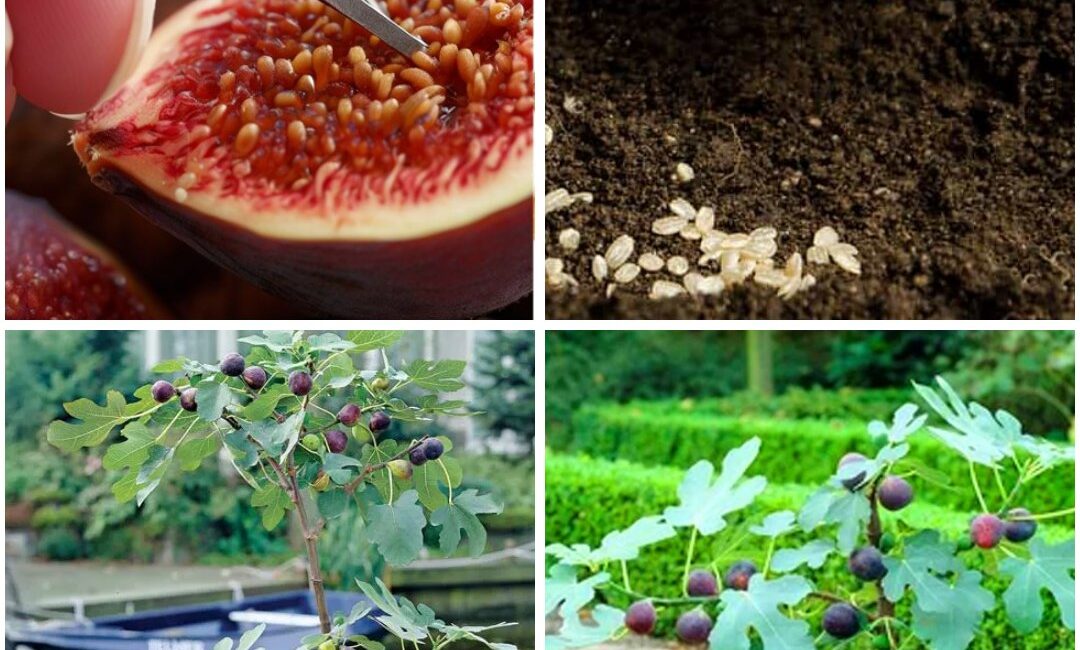
One of the big goals is to have the tree fruit. Seed‑grown fig trees may take longer, but fruit is possible with proper care.
Key Practices
- Sunlight: Fig trees need good sunlight exposure to set fruit; at least 6 hours of direct sun helps.
- Proper nutrients: Ensure sufficient potassium and phosphorus in fertilizer schedule, especially as tree matures. These support flowering and fruit set.
- Heat: Warm daytime temperatures and moderate warm nights encourage flowering and fruit maturation.
Patience
- Expect delays: First fruits often appear after 3‑5 years or more, depending on variety and growing conditions.
- Be ready for small, few figs initially. Gradual increase comes with better care, bigger pot, improved soil.
10. Dealing with Pests, Diseases, and Common Problems
Even in a pot, fig trees can face challenges. Recognizing and dealing with problems early helps.
Common Pests
- Scale insects, aphids, mites. Look under leaves, around nodes.
- Snails or caterpillars if placed outside part of time.
Diseases
- Root rot from overwatering.
- Leaf spots or mildew in humid conditions with poor ventilation.
- Canker or fungal infections on stems if water accumulates in wounds.
Problem Symptoms & Fixes
| Symptom | Likely Cause | What to Do |
|---|---|---|
| Leaves yellowing, dropping | Overwatering, or poor drainage | Let soil dry partially, ensure drainage holes, repot if soil too compact |
| Slow growth, weak stem | Low light or insufficient nutrients | Provide more light, increase feeding |
| Black spots on leaves | Fungal infection or high humidity | Remove infected leaves, improve air circulation, reduce humidity |
| Wilting or soft stem base | Root rot | Remove plant, gently inspect roots, trim off rotten parts, repot in fresh soil |
11. Overwintering and Seasonal Care
Seasonal changes affect pot‑grown fig trees strongly. Winter especially requires planning.
- In colder months, move potted fig tree indoors or to a sheltered spot where frost and freezing are avoided.
- Reduce watering; growth slows in cooler conditions. Keep soil slightly moist but not wet.
- Maintain light exposure indoors if possible; perhaps using grow lights or placing near sunniest windows.
- After winter dormancy, gradually increase light, water, feeding as growth resumes to avoid shock.
12. Final Tips and What to Expect Over the Years
Here are extra tips, expectations, and what you’ll likely see as the tree matures.
- Expect slow growth at first; once established, growth accelerates with better soil, bigger pot.
- Repot periodically — every 2‑3 years — into pots a little larger, with fresh soil to give roots space.
- Monitor for root binding: if roots circle pot heavily, they may choke. Repot or trim roots carefully.
- Be ready for some seasonal leaf drop; figs naturally drop older leaves sometimes.
- Over time, you may experiment with pruning to shape tree, or training multiple branches for more fruiting heads.
Conclusion
Growing a fig tree from seed in a pot is a journey of patience, care, and learning. Though it takes time to reach fruiting stage, with proper attention to seed selection, soil, pot size, watering, light, feeding, pruning, and protection, you can raise a beautiful fig tree that not only survives, but thrives—and eventually produces fruit.
If you care for it well, that tiny seed will become a living reminder: growth can come from small beginnings, success comes with steady effort, and joy arises when you nurture life.
Happy planting! May your fig tree flourish, and may you enjoy many sweet figs in the future.