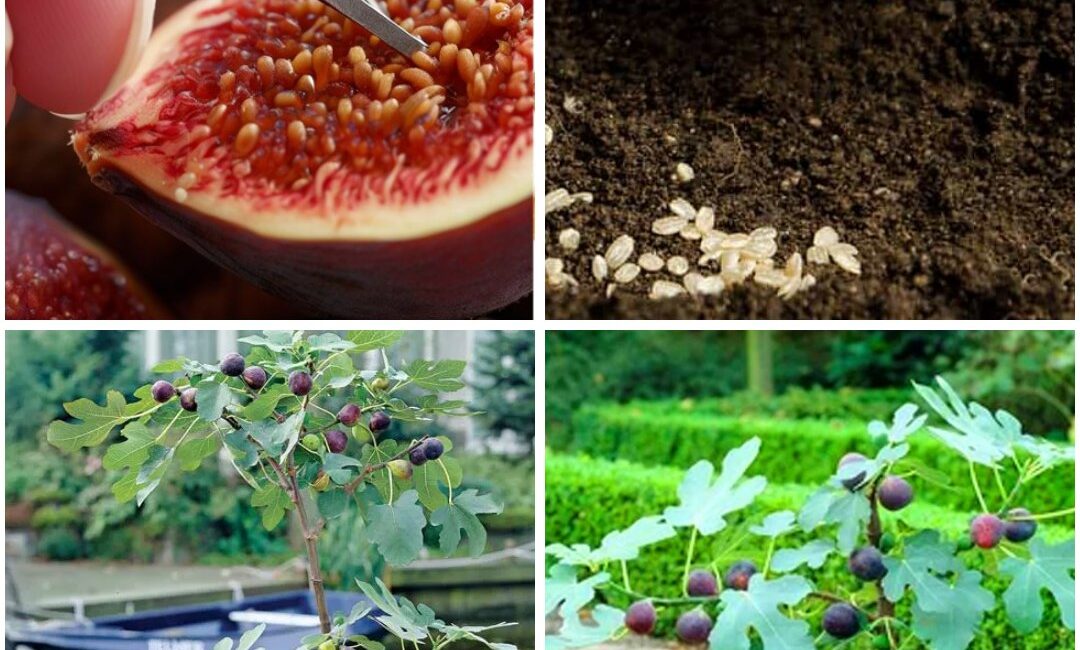
Growing a fig tree from seed in a pot is both a challenge and a joy. It demands patience, care, and consistency, but it’s deeply satisfying to see the little seed germinate, develop into a sapling, and one day bear figs. Whether you live in a temperate or tropical climate, on a balcony, patio, or inside a sunlit room, this guide will walk you through everything: from choosing seed, germination, potting, nurturing, to encouraging fruit. Let’s dive in.
Table of Contents
- Why Grow a Fig Tree From Seed in a Pot
- Choosing the Right Fig Seeds
- Preparing the Seeds for Germination
- Germination: Conditions, Methods, Patience
- Selecting the Pot, Soil, and Initial Potting
- Caring for the Young Seedling (Water, Light, Temperature)
- Feeding, Fertilizer, and Growth Boosters
- Pruning and Shaping for Healthy Growth
- Encouraging Fruit on a Pot‑Grown Fig Tree
- Dealing with Pests, Diseases, and Common Problems
- Overwintering and Seasonal Care
- Final Tips and What to Expect Over the Years
1. Why Grow a Fig Tree From Seed in a Pot
Growing a fig tree from seed in a pot has many advantages:
- Cost savings: Seeds are inexpensive compared with buying young plants or grafted trees.
- Learning process: Watching growth from seed gives deep understanding of plant development.
- Genetic variety: Trees from seed may yield fruit with unique characteristics.
- Flexibility: Pots allow you to move the tree, control soil, protect from negative weather.
- Decorative appeal: Young fig trees have beautiful leaves and a sculptural form even before fruiting.
But also some patience is required: it usually takes longer for a seed‑grown tree to flower and fruit compared to grafted or propagated plants. Also, fruit from seed may differ in taste or size.
2. Choosing the Right Fig Seeds
Before anything else, selecting good seeds is crucial.
- Pick seeds from ripe fruits. A mature fig has better development; the seeds inside are more likely viable.
- Choose a variety that is known to handle your climate. If temperatures drop below freezing in winter, pick a fig variety known for cold tolerance. If you’re in a warm, sunny region, heat‑loving varieties are fine.
- Ensure seeds are fresh. Older seeds may have lost vitality.
- If possible, choose seeds from healthy parent trees — ones that bear well, have good fruit flavor, and are disease‑free.
3. Preparing the Seeds for Germination
To give seeds the best chance to sprout, there are important preparation steps:
- Cleaning: Remove pulp from seeds meticulously. Any residual fruit flesh can rot and encourage fungal growth. Wash seeds under clean water, gently rubbing off any sticky residue.
- Drying (light): Allow seeds to air‑dry gently for a short time—just enough so they are no longer wet or slippery. But avoid drying them out completely. Fig seeds are small and delicate; extreme drying reduces germination.
- Trempage (soaking): Soak seeds in warm water for 24–48 hours. This helps soften the outer shell/coating and encourages germination. Change water once if it becomes cloudy.
- Select viable seeds: Seeds that float often are less viable; those that sink are likelier to sprout. After soaking, discard floating ones if many appear.
4. Germination: Conditions, Methods, Patience
Germination is the first big hurdle. Ensuring the right environment matters greatly.
Methods
- In soil (small pot method): Use a small pot or seed tray with a light, well‑draining seed mix. Plant 2–3 seeds about 0.5‑1 cm deep (just under surface). Lightly cover with soil.
- Bag/towel method: Use damp paper towels, or clean cloth, wrap seeds, place inside a zip‑bag or sealed container. Maintain moisture. Once roots sprout, transfer to soil.
Conditions
- Temperature: Ideal germination temp is warm — between 24‑30 °C (75‑86 °F). If cooler, germination will be slow or may fail.
- Light: Provide bright indirect light. Avoid harsh direct sun on young seedlings until they are stronger.
- Humidity: High humidity helps. Covering the pot or using a humidity dome (or plastic bag lightly tented) retains moisture, but ventilation is needed occasionally to avoid mold.
Patience
- Be prepared: germination can take from few weeks to a few months. Some seeds germinate quickly, others are slower. Keep soil moist but not waterlogged. Check regularly.
5. Selecting the Pot, Soil, and Initial Potting
Once seedlings have developed two or more true leaves (beyond the initial seed leaves or cotyledons), you’ll need to pot them properly.
Pot Size and Type
- Start with a pot of around 10‑15 cm (4‑6 in) diameter for a young fig seedling.
- Ensure drainage holes. Without proper drainage, roots will rot.
- Material: Terracotta or ceramic pots help with breathability but dry out faster. Plastic retains moisture but be careful not to overheat soil.
- As the fig grows, repot to larger pots gradually.
Soil / Substrate
- Use a well‑draining mix: good potting soil + coarse sand or perlite + compost or well‑rotted organic matter.
- Avoid heavy clay soils or anything that stays soggy.
- Slightly acidic to neutral soil pH is good (around 6.0‑7.5). If your water is alkaline, consider using acidic soil amendments or rain water.
Potting Technique
- Handle seedlings gently; disturb roots minimally.
- Place seedling in center, fill around roots, firm soil lightly to remove air pockets.
- Water deeply after potting to settle soil.
6. Caring for the Young Seedling (Water, Light, Temperature)
Young fig trees need stable but supportive environments.
Light
- Place where there is plenty of indirect or filtered light. Sunlight in the morning or late afternoon is ideal.
- If natural light is weak, consider grow lights (LED) for several hours daily.
Temperature
- Warmth is essential: daytime temperatures around 25‑30 °C, nighttime not falling much below 15‑18 °C.
- Avoid drafts, cold windows in winter, sudden temperature swings.
Watering
- Keep soil evenly moist but not waterlogged. Overwatering causes root issues; underwatering causes stunted growth or leaf drop.
- Water when the top soil (approx 1‑2 cm) begins to dry. Do not let soil dry out completely for long periods.
7. Feeding, Fertilizer, and Growth Boosters
Feeding helps the fig tree build strong growth and eventual fruiting.
- Use a balanced fertilizer during active growth (spring and summer). A moderate strength fertilizer applied every few weeks encourages leaves, stems, and root development.
- Periodically add compost or organic amendment to the soil to improve soil fertility and microbial activity.
- Avoid overfertilizing, which can burn roots, produce lush foliage but weak or delayed fruiting.
click page 2 to continue