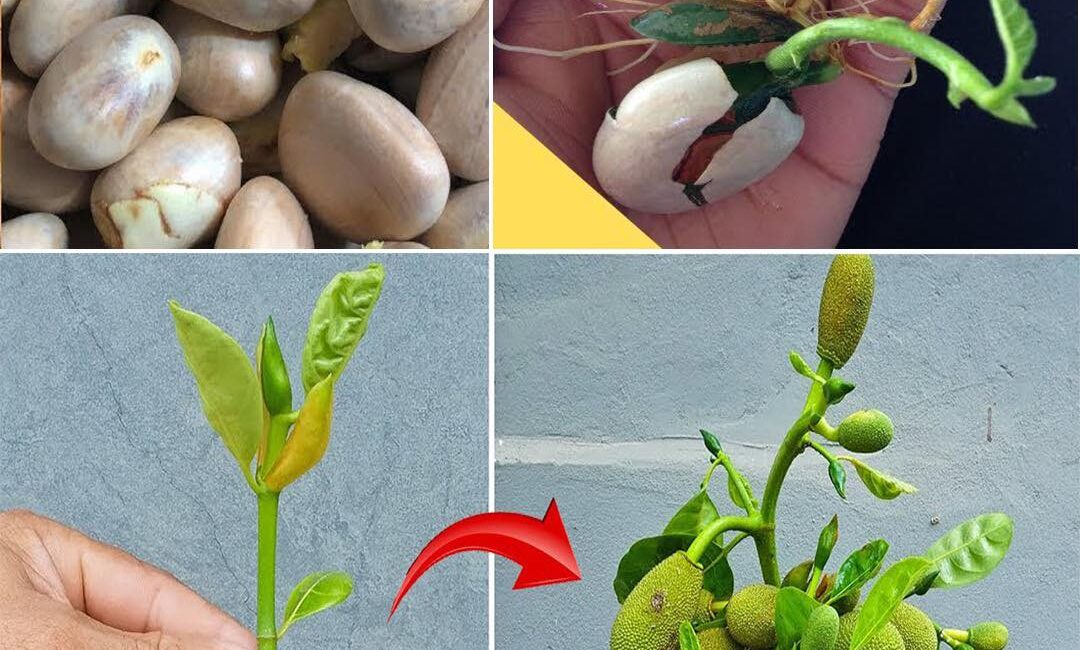
Jackfruit is an extraordinary tropical fruit known for its massive size, unique flavor, and versatility. If you’re passionate about gardening or looking to grow something exotic and rewarding, planting jackfruit from seed can be a fulfilling project. Although jackfruit trees can take time to mature, starting from seed is a gratifying way to nurture a tree from its earliest stage and witness nature’s marvel firsthand.
This step-by-step guide will walk you through the entire process—from selecting and preparing seeds to planting, caring for young plants, and eventually harvesting your own jackfruit. Whether you live in a tropical climate or a warm subtropical area, this detailed tutorial will help maximize your success.
What is Jackfruit?
Before diving into planting, it’s useful to understand what jackfruit is and why it’s worth growing.
- Scientific name: Artocarpus heterophyllus
- Origin: Native to South and Southeast Asia
- Fruit size: Can weigh up to 55 kg (120 lbs) or more
- Flavor profile: Sweet, tropical, sometimes described as a combination of pineapple, banana, and mango
- Uses: Eaten raw or cooked; young jackfruit is a popular meat substitute in vegan and vegetarian recipes due to its texture.
Growing jackfruit offers more than just delicious fruit. The tree provides shade, the wood is used for furniture in some cultures, and it has cultural and economic importance in many tropical countries.
Step 1: Selecting the Right Jackfruit Seeds
Choosing good seeds is the foundation for healthy jackfruit growth.
Where to get seeds
- Purchase fresh jackfruit from a reliable market or nursery.
- Alternatively, source seeds from a jackfruit tree known for quality fruit.
- Ensure seeds are fresh; older seeds lose viability quickly.
Seed selection tips
- Choose seeds from ripe fruit; ripe jackfruit flesh is sweet and fragrant.
- Select seeds that are large, plump, and free from cracks or damage.
- Avoid seeds that feel lightweight or shriveled.
Step 2: Preparing Jackfruit Seeds for Planting
Proper seed preparation improves germination rates and encourages strong seedlings.
Cleaning seeds
- Remove pulp and sticky residue by washing seeds under running water.
- Use your fingers or a soft brush to remove all fruit flesh.
- Pat dry with a clean cloth or paper towel.
Soaking seeds
- Soak cleaned seeds in room temperature water for 24 hours.
- This softens the seed coat and kickstarts germination.
- Change soaking water if it becomes cloudy or develops an odor.
Scarification (optional)
- For older or tougher seeds, gently nick the seed coat with a knife or sandpaper.
- Be careful not to damage the inner seed.
Step 3: Choosing the Right Growing Medium
Jackfruit seeds need well-draining, fertile soil to thrive.
Ideal soil properties
- Loose, loamy soil with good drainage
- Slightly acidic to neutral pH (6.0 to 7.5)
- Rich in organic matter to provide nutrients
Soil mix for seedlings
- Mix garden soil, compost, and sand or perlite in equal parts.
- Ensure the mix retains moisture but doesn’t stay waterlogged.
- Sterilize soil if possible to minimize disease risks.
Step 4: Germinating Jackfruit Seeds
Germination containers
- Use seed trays, small pots, or polybags with drainage holes.
- Fill with prepared soil mix.
Planting seeds
- Plant each seed 1-2 inches (2.5-5 cm) deep with the pointed end facing down.
- Space seeds adequately if planting multiple in one tray.
Germination conditions
- Maintain a warm temperature between 75-85°F (24-29°C).
- Keep soil consistently moist but not soggy.
- Place containers in a warm, shaded location with indirect sunlight.
- Cover with plastic wrap or a humidity dome to retain moisture (remove daily to prevent mold).
Germination timeline
- Seeds typically germinate in 3-8 weeks.
- Monitor daily for signs of sprouting.
Step 5: Caring for Jackfruit Seedlings
Once germination occurs, the seedlings enter a delicate growth phase requiring attentive care.
Light requirements
- Provide bright, indirect sunlight for 4-6 hours per day.
- Avoid harsh direct sunlight that may scorch young leaves.
Watering
- Water regularly to keep soil moist but avoid waterlogging.
- Reduce watering frequency slightly as seedlings mature.
Temperature and humidity
- Maintain warm temperatures (70-90°F / 21-32°C).
- Jackfruit thrives in high humidity (60-80%); mist seedlings if air is dry.
Fertilizing
- Apply a diluted balanced liquid fertilizer every 2-3 weeks.
- Once seedlings develop 4-6 true leaves, begin feeding with a slow-release organic fertilizer.
Thinning and transplanting
- If multiple seeds were sown per container, thin out weaker seedlings.
- When seedlings reach 6-8 inches tall with multiple leaves, transplant into larger pots (3-5 gallons) with rich potting mix.
Step 6: Transplanting Seedlings to the Garden or Larger Pots
Timing
- Transplant seedlings outdoors after 6-12 months or when sturdy enough.
- Ideal when seedlings reach at least 1 foot (30 cm) tall.
Selecting planting location
- Choose a site with full sun exposure (6-8 hours daily).
- Ensure space for the tree’s mature size: jackfruit can grow 30-70 feet tall with wide-spreading branches.
- Soil should be deep, fertile, and well-draining.
Preparing the planting hole
- Dig a hole twice the width and depth of the root ball.
- Mix native soil with compost or well-rotted manure.
- Loosen soil at the bottom to encourage root spread.
Transplanting process
- Carefully remove seedling from pot, preserving root structure.
- Place seedling in hole at the same depth as in the pot.
- Backfill with soil mixture, firm gently.
- Water thoroughly to settle soil around roots.
- Apply mulch to retain moisture and suppress weeds.
Step 7: Ongoing Care for Growing Jackfruit Trees
Jackfruit trees require consistent care through their juvenile and mature stages.
click page 2 to continue