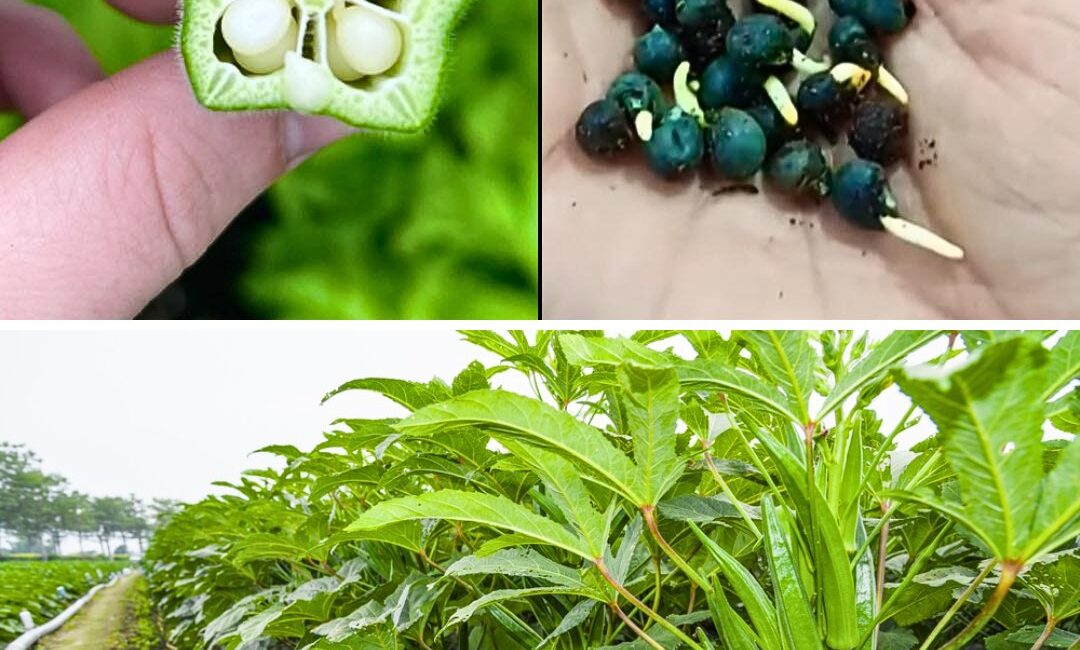
Growing your own food is one of the most rewarding gardening activities, and among the many vegetables you can cultivate, okra stands out as a versatile and delicious crop. Known for its unique flavor and multiple culinary uses, okra thrives in warm climates but can also be successfully grown in containers or pots — perfect for those with limited space or urban gardens. This guide will walk you through every step of growing okra in pots, from choosing the right variety and container, to soil preparation, planting, watering, feeding, and harvesting, ensuring you enjoy a bountiful harvest all season long.
Why Grow Okra in Pots?
Before we dive into the details, let’s explore why growing okra in pots is such a fantastic option:
Space Efficiency
Not everyone has access to a large garden plot, and pots offer a flexible solution to grow fresh vegetables on balconies, patios, or small decks.
Soil Control
When you grow in pots, you control the soil quality. This is especially beneficial if your native soil is poor, contaminated, or not suitable for okra.
Mobility
Containers can be moved to optimize sunlight exposure or protect plants from extreme weather.
Pest and Disease Management
Growing okra in pots helps isolate the plants from certain soil-borne diseases and pests commonly found in traditional gardens.
Understanding Okra: Basics to Get You Started
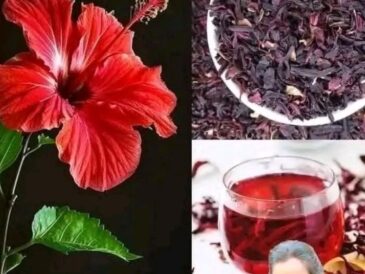
Okra (Abelmoschus esculentus) is a warm-season vegetable related to hibiscus and cotton. It produces edible green seed pods, prized for their mild flavor and mucilaginous texture, which is great for thickening soups and stews.
Growing Season
Okra loves heat and sun, requiring warm soil and air temperatures to thrive. It typically takes between 50 to 65 days to mature, depending on the variety.
Varieties Suitable for Container Growing
While many okra varieties grow well in pots, some are better suited because of their compact size or shorter growing periods:
- ’Clemson Spineless’: One of the most popular varieties, known for its spineless pods and reliable yields.
- ’Burgundy’: Striking deep red pods add color to your garden and plate.
- ’Dwarf Green’: A compact plant perfect for smaller pots and limited spaces.
- ’Jambalaya’: A smaller plant that produces tender pods, ideal for container culture.
Choosing the Right Pot for Okra
Container selection is crucial for the success of your okra plants.
Size Matters
Okra has a deep taproot system, so your pot needs to be deep and roomy:
- Minimum size: 12 to 16 inches in diameter.
- Depth: At least 12 inches; ideally 18 inches to allow ample root growth.
Material Options
- Plastic pots retain moisture well and are lightweight.
- Terracotta pots offer breathability but dry out faster, so watch your watering.
- Fabric grow bags promote healthy root aeration and drainage but may require more frequent watering.
Drainage
Ensure your pot has adequate drainage holes to prevent waterlogging, which can lead to root rot.
Preparing the Soil Mix for Container Okra
Okra prefers a rich, well-draining, slightly acidic to neutral soil environment.
Ideal Soil Composition
A mix that retains moisture but drains well is essential:
- 40% high-quality potting soil or garden soil.
- 30% compost or well-rotted manure for nutrients.
- 20% coconut coir or peat moss for moisture retention.
- 10% perlite or coarse sand to improve drainage.
Soil pH
Aim for a pH between 6.0 and 7.5. You can test soil pH using a simple test kit and adjust accordingly with lime (to raise pH) or sulfur (to lower it).
Adding Fertilizers
Before planting, mix in a slow-release organic fertilizer to provide steady nutrients over the growing season.
Planting Okra Seeds in Pots: Step-by-Step Guide
Step 1: Timing
Start seeds indoors 3-4 weeks before the last frost date if you live in cooler climates. In warmer regions, sow seeds directly in pots after the danger of frost has passed and soil temperatures are consistently above 65°F (18°C).
Step 2: Seed Preparation
Soak okra seeds overnight in warm water to soften the hard outer shell and improve germination rates.
Step 3: Sowing
- Plant seeds 1 inch deep.
- Space seeds at least 3 inches apart if planting multiple seeds in one large container. Alternatively, plant one seed per pot.
- Cover seeds lightly with soil and water gently.
Step 4: Germination
Place the pots in a warm, sunny location. Okra seeds typically germinate in 7-14 days.
Caring for Okra in Pots: Watering, Feeding, and Sunlight
Watering
- Keep the soil consistently moist but never waterlogged.
- Water deeply when the top inch of soil feels dry.
- Avoid wetting the foliage to reduce disease risk.
- During hot weather, container plants may need daily watering.
Sunlight
Okra requires full sun — at least 6-8 hours of direct sunlight daily. Position your pots where they will receive ample sunlight.
Feeding
- Fertilize every 3-4 weeks with a balanced liquid fertilizer or organic compost tea.
- Use a fertilizer higher in phosphorus and potassium once flowering starts to encourage pod development.
- Avoid excessive nitrogen, which promotes leaf growth over fruiting.
Supporting Okra Plants in Containers
As okra plants grow tall and heavy with pods, they may require support.
Stakes or Cages
- Insert a stake or small tomato cage into the pot early to avoid root damage.
- Tie stems loosely with soft garden ties to prevent breaking.
Managing Pests and Diseases in Container Okra
Even in pots, okra is susceptible to pests and diseases, but container growing can reduce many common problems.
Common Pests
- Aphids: Small, sap-sucking insects that cluster on new growth.
- Spider mites: Tiny pests that cause stippling on leaves.
- Flea beetles: Create small holes in leaves.
Pest Control
- Use insecticidal soap or neem oil spray.
- Encourage beneficial insects like ladybugs.
- Keep plants healthy with proper watering and feeding.
Diseases
click page 2 to continue