What Fertilizer
- Use fertilizers suited to acid-loving plants. Ingredients may include ammonium sulfate, urea, or organic sources like blood meal or composted manure for acid conditions. Farming Tips+1
- Avoid high nitrogen fertilizers that might push foliage growth at expense of fruit.
Amount
- Follow package directions; measure rather than guess. Over‑fertilization can burn roots, cause foliage issues, or reduce fruit quality.
7. Pruning, Training, and Managing Plant Structure
Pruning is essential for productivity, health, and longevity.
When to Prune
- Late winter or early spring when plants are still dormant (before new growth begins). Fine Gardening+2Farming Tips+2
What to Prune
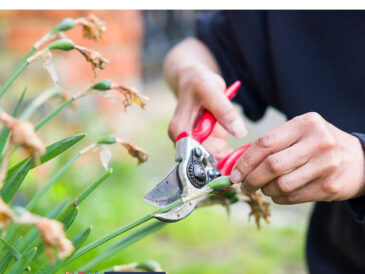
- Remove dead, damaged, or weak branches.
- In mature bushes, remove older woody canes to encourage new vigorous ones.
- Thin out crowded growth to allow light and airflow.
- For young plants, focus on building structure: main “scaffolding” canes.
Training
- If growing in containers, manage root system so it doesn’t get root‑bound.
- Supports or trellises not usually needed, but in windy areas some protection helps.
8. Pest, Disease & Wildlife Protection
Even well-maintained blueberry bushes are vulnerable to pests, birds, and diseases.
Common Pests & Diseases
- Birds: love ripe berries. Netting is often essential when fruit starts to ripen. Fine Gardening
- Fungal diseases: e.g. mildew, fruit rots. Good air circulation, avoiding overhead watering, pruning out diseased wood help.
- Pests: mites, aphids, scale, etc. Monitor regularly, use organic or chemical controls as appropriate.
Wildlife & Animal Protection
- Animals like deer, rabbits, squirrels might eat blossoms or foliage; use fencing or protective netting.
9. Growing in Containers & Raised Beds
For many people, soil or space limitations make containers or raised beds the best option.
Advantages
- Better control over soil pH, soil mix.
- Easier drainage.
- Mobility (containers can be moved to avoid extreme weather).
Tips for Containers
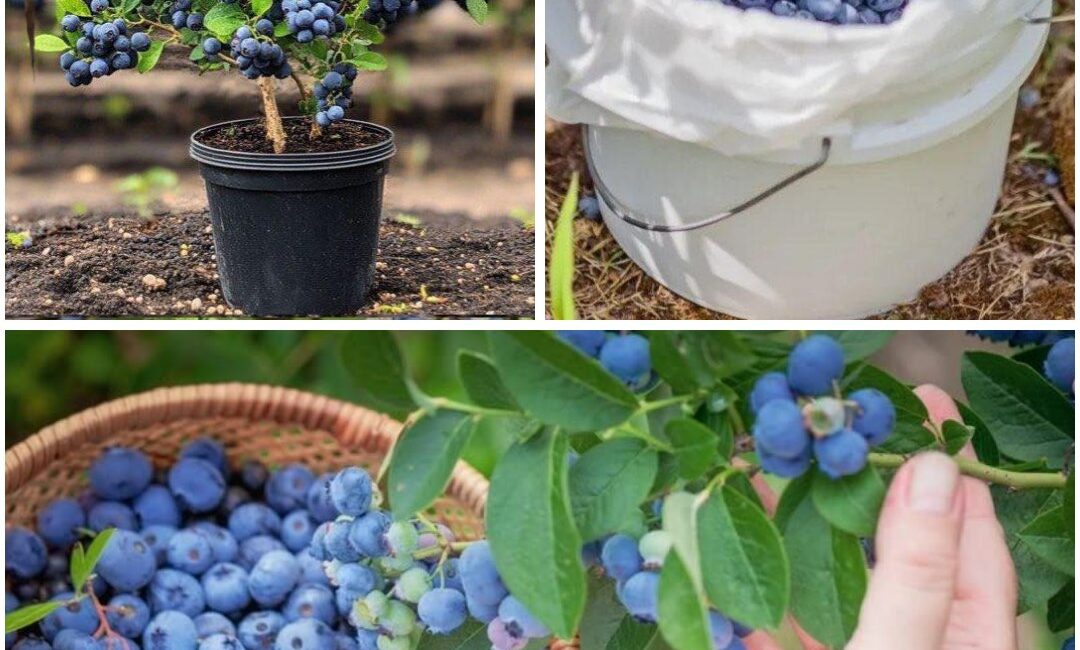
- Use large containers: minimum size so roots have room. For mature blueberry bushes, at least 15‑20 gallon size, or wider and deeper depending on variety. Gardening Know How
- Use a soil/potting mix suited to acid-loving plants (e.g., peat + bark + perlite).
- Use pots made of materials that don’t overheat in sun. Dark plastic containers may get too hot. Gardening Know How
- Ensure good drainage (holes at bottom).
Raised Beds
- Build beds high enough (8‑12 inches or more) to improve drainage.
- Amend soil thoroughly.
10. Harvesting & Post‑Harvest Care
Knowing when and how to harvest is key to maximizing quality and quantity.
When to Harvest
- Fruit should be fully blue (no red or green patches). Blueberries will ripen fully in color and flavor. Fine Gardening+1
- Harvest regularly to encourage more fruit (as bushes finish fruit, they may produce secondary harvests).
How to Harvest
- Gently pick berries; avoid pulling too hard. Ripe berries detach easily.
- Harvest in dry weather to reduce disease risk during storage.
Post‑Harvest
- Store berries in shallow containers; avoid stacking too deep to prevent crushing.
- Refrigerate if using soon; freeze or preserve if needed.
11. Common Mistakes to Avoid
Even with good effort, some errors commonly reduce yield or plant health:
- Planting in soil that isn’t acidic enough.
- Poor drainage → waterlogged roots.
- Overcrowding → poor airflow → disease.
- Over‑fertilizing with the wrong fertilizers (high nitrogen, or raising pH).
- Planting in too much shade.
- Ignoring mulching and moisture retention.
- Forgetting fertilization timing (first few years vs mature bushes).
12. Adjusting Your Practices By Region
Because climates vary widely, you’ll need to adapt general guidelines to your location.
| Region / Climate | Key Adaptations |
|---|---|
| Cold climates, long winters | Use very cold‑hard varieties (Northern Highbush, Half‑High); protect from frost; mulch heavily; maybe use windbreaks; select south facing sites. |
| Mild winters, hot summers | Choose Southern Highbush or Rabbiteye; provide afternoon shade; ensure watering especially during hot/dry periods; use mulch to reduce soil temperature. |
| Tropical or subtropical | Use varieties with low chill requirement; ensure soil acidity; protect from heat; perhaps use containers or shade for young plants. |
| Arid or desert regions | Use drip irrigation; mulch heavily; plant in raised beds or containers; choose drought‑tolerant types; ensure enough sun but protect young plants from intense midday sun. |
| Small spaces / urban settings | Grow in containers or raised beds; use dwarf or half‑high varieties; prune to manageable size; pay careful attention to soil mix and watering. |
13. Conclusion & Tips for Abundant Yield
Growing a plentiful supply of blueberries is entirely possible—regardless of whether your backyard is in a cold northern zone, a hot southern area, or on a balcony in the city. The keys are:
- Choose the right variety for your climate.
- Ensure acidic, well‑drained soil rich in organic matter.
- Give them sufficient sunlight and protection.
- Water consistently, mulch well, fertilize appropriately.
- Prune, protect from pests, harvest carefully.
Quick Checklist for Abundant Blueberries
- Soil pH between ~4.5‑5.5
- Full sun (6‑8 hrs per day) or partial shade if very hot
- Proper drainage and organic soil mix
- Mulch depth 2‑4 in (5‑10 cm)
- Proper spacing 4‑6 ft (or appropriate for your variety)
- Regular fertilization after first year
- Protection from pests, birds, disease
Pages: 1 2