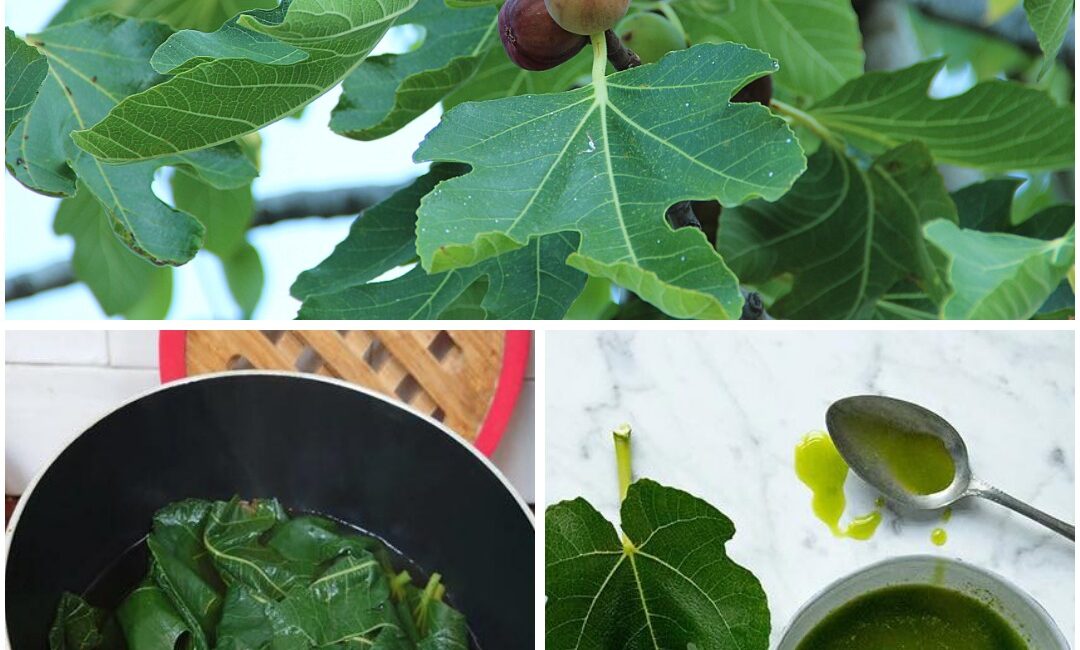
Figs are one of the most beloved fruits around: sweet, juicy, nutritious, and versatile. People love eating figs fresh, drying them, baking them, even preserving them. But in the hustle of enjoying the fruit, many overlook something equally valuable—fig leaves. These large, lush leaves aren’t just the backdrop to the fruit. They hold surprising benefits for health, culinary creativity, gardening, skin care—and more.
Whether you have a fig tree yourself, or can access leaves locally, this guide will walk you through everything: what fig leaves are made of, how to harvest and prepare them, top ways to use them, precautions, and ideas to incorporate them into your daily routine. By the end, you’ll realize those leaves you might toss out are actually treasures.
What Fig Leaves Are: Origins, Characteristics, and Composition
Origins & Nature of the Fig Leaf
A fig tree (often of the species Ficus carica) is native to warm or temperate regions. Its leaves are large, often deeply lobed, with a rugged texture. They grow abundantly whenever the tree is healthy, especially in spring and early summer, when foliage is fresh and vigorous.
Fig leaves are broad, flat surfaces—ideal for photosynthesis and growth of the tree—and they are often exposed to sun, shade, rain, wind. They have been used traditionally in cuisines (wrapping food), in folk remedies, and in gardens—but many people don’t explore their full potential.
What’s Inside a Fig Leaf
Fig leaves contain several natural compounds and structural components:
- Fibres — both soluble and insoluble, aiding in digestion or structural rigidity.
- Flavonoid and polyphenol compounds — antioxidants that help quench free radicals and protect cells.
- Minerals such as calcium, magnesium, potassium, small amounts of others.
- Natural aromatic compounds — giving subtle scent, flavor, or fragrance.
- Moisture, chlorophyll, plant pigments — contributing to color and possible topical uses.
Because of this natural composition, fig leaves are more than just foliage—they are functional.
How to Harvest, Clean, and Store Fig Leaves
Using fig leaves safely and beneficially depends greatly on harvesting, cleaning, and storage.
Harvesting
- Pick leaves during vegetative growth—when they are mature but not old, before they begin to wither or dry out.
- Best times are mornings or late mornings when dew has dried but before midday heat stresses the leaves.
- Select leaves that are healthy: green, free from mold, spots, insect damage.
Cleaning
- Rinse under clean water to remove dust, dirt, insects.
- Gently rub both sides of the leaf to get rid of lingering particles.
- If leaves have hairs or fuzz, pat dry or allow air‑drying so they don’t retain moisture in folds.
Drying & Storage
- Spread leaves flat, in shade with good airflow. Avoid direct harsh sun which can destroy some beneficial compounds.
- Alternatively, use low‑heat drying or natural shade environments until leaves are brittle and fully dry.
- After drying, store in airtight containers, in cool dark space. Label with date and usage (tea, wrap, topical, etc.).
- Fresh leaves can also be refrigerated short term; for longer, drying is safer.
Health & Medicinal Benefits of Fig Leaves
Fig leaves carry a range of potential health benefits when used properly. They are not a cure‑all, but many people find them beneficial for several purposes.
Blood Sugar Regulation
One of the most frequently discussed benefits: people use fig leaf tea or infusions to help stabilize blood sugar levels. The leaves may help the body moderate sugar absorption or improve insulin‑like responses. Regular gentle use with a controlled diet may contribute to more stable post‑meal sugar levels.
Digestive Support
Because of fibers and natural soothing compounds, fig leaves may help reduce digestive discomfort, unease after eating, mild stomach irritation, and contribute to healthy digestion. Some use leaf infusions to calm mild upset or slow digestion.
Respiratory Comfort
Fig leaf infusions or steam from boiled leaves are traditionally used to help with cough, mild bronchial discomfort, irritation in throat or airways. Inhaling steam or drinking leaf tea warm may help ease breathing or reduce irritation.
Skin Care, Wounds & Inflammation
Topically, fig leaves can have soothing effects:
- Applying leaf poultice or compress to inflamed skin, minor wounds, insect bites can reduce swelling, soothe irritation.
- Leaf infusions or oils infused with leaves may help with skin health (dryness, mild redness), possibly slow irritation.
Nutritional Support & Other Benefits
- Minerals in leaves support general nutritional balance.
- Antioxidant properties can help in supporting cellular health, reducing oxidative stress.
- Aroma and flavor uses can stimulate appetite, contribute to wellness through sensory enjoyment.
Culinary & Practical Uses of Fig Leaves
Fig leaves are quite versatile, with many uses beyond health/medicinal. Here are ways to make them part of your culinary or household routine.
Cooking and Flavoring
- Food wrapping: Like grape leaves, fig leaves are used to wrap meats, fish, or vegetables before grilling or baking. They help retain moisture and impart a mild, earthy flavor.
- Infusing liquids: Use leaves to infuse milk, cream, oil, or sauces for subtle flavor. For example, infusing cream used for desserts or custards with a fig leaf for aroma.
- Leaf as plate or serving leaf: Fresh fig leaves used to line trays or plate food (especially BBQ or roasted food) for presentation and slight flavor.
- Leaf in stews or soups: Drop whole or chopped leaves (after cleaning) in soups or stews, remove before eating or blend for flavor depending on texture.
Tea & Infusions
- Steep dried (or fresh) fig leaves in hot water for 10‑15 minutes to make tea.
- You can blend fig leaf tea with other herbs (mint, lemon, ginger) to enhance flavor.
- Drink warm, possibly once or twice a day, especially after meals or when you feel digestive or respiratory discomfort.
Topical & Household Uses
- Leaf compress: Soak leaf in warm water and apply to skin to soothe irritation.
- Bath additive: Add dried leaves to bath water to relax, impart fragrance, soothe skin.
- Aromatic purposes: Dried leaves placed in sachets, cupboards, clothes drawers or near windows for subtle fragrance.
- Natural wrapper or gardener’s mulch: Use leaves as compost material or mulch; they break down and contribute organic matter.
How to Make Useful Fig Leaf Products at Home
Here are some step‑by‑step ideas to turn fig leaves into useful items.
Fig Leaf Tea
Materials & Steps:
- Take 2 or 3 dried fig leaves (or fresh if cleaned).
- Boil water and pour over leaves in a cup or tea pot.
- Steep for ~10‑15 minutes covered.
- Strain leaves.
- Optional: sweeten with honey or add a slice of lemon or ginger for flavor.
Usage: Drink warm, perhaps after a meal. May be soothing for digestion, mild respiratory issues.
Fig Leaf Infused Oil for Skin
Materials & Steps:
- Clean and lightly dry fig leaves. Chop them roughly or tear them to expose more surface.
- Place leaves in a clean glass jar. Cover with a carrier oil (olive, almond, coconut, etc.).
- Seal jar, keep in a shaded, cool place for 1‑2 weeks; shake or swirl periodically.
- After infusion period, strain to remove leaf pieces. Store oil in dark bottle.
Uses: Massage into joints, dry skin patches, inflamed areas. Use as finishing oil for hands or feet.
Fig Leaf Poultice or Compress
Steps:
- Take fresh leaf (or re‑hydrate dried leaf in warm water).
- Warm gently or soak until pliable.
- Fold or mash to release juice.
- Apply directly to irritated skin, bites, or minor wounds. Cover with clean cloth. Leave for 15‑30 minutes.
Effect: Soothing, cooling, may help reduce swelling or irritation.
Growing Fig Trees & Using Leaves Regularly
If you grow figs, you can have a steady supply of leaves. Here are tips to maximize leaf yield, health, and usability.
- Choose fig tree varieties adapted to your climate.
- Provide full sun, good soil, well‑draining medium. Healthy trees produce abundant foliage.
- Regular pruning to remove old or diseased branches encourages fresh growth of leaves.
- Avoid using harsh chemicals or pesticides; leaves used for health/cosmetic purposes will absorb chemicals.
- After harvest, allow regrowth before harvesting again; don’t strip too many leaves, as they are vital for tree health.
Precautions and What to Watch Out For
While fig leaves are generally safe, there are a few things to keep in mind.
- Skin sensitivity: Some people may experience irritation or allergic reaction when leaf juice or compress is applied. Do a small patch test first.
- Sun exposure: Certain compounds may make skin more sensitive to sunlight; after topical application, protect skin from direct sun.
- Internal use caution: If using tea or infusions, especially for blood sugar, speak with a healthcare provider—especially if you take medication for diabetes or other metabolic conditions.
- Cleanliness and pesticide exposure: Leaves should be harvested from trees not heavily sprayed, or from safe sources. Wash well.
- Overconsumption: More isn’t always better. Modest, regular use is often more balanced.
DIY Routine: Incorporating Fig Leaves into Daily Life
Here’s a sample routine to make the most of fig leaves in a week.
| Day | What to Do |
|---|---|
| Monday | Harvest a few fresh, healthy fig leaves. Clean and partially dry them. |
| Tuesday | Make tea in the morning with one or two leaves. Use a leaf wrap to cook a fish or piece of chicken for dinner. |
| Wednesday | Infuse some oil with leaves for skin use. |
| Thursday | Use leaf compress on any skin irritation, bug bite, or mild burn. |
| Friday | Add some dried leaf pieces to a bath or foot soak. |
| Saturday | Use fresh leaves in culinary wrapping or infusion for desserts or side dishes. |
| Sunday | Dry more leaves to build your stash for future tea or household uses. |
Over time, you’ll notice how even small, consistent use brings benefits—flavorful cooking, subtle health support, pleasant skin effects.
Frequently Asked Questions
- Can I use any fig leaf, even big, mature ones?
Mature leaves are usable, but sometimes tougher in texture and may have more bitterness. Young mature leaves are often more tender and flavorful. - Do fig leaves taste strongly of fig?
Not always. They often impart mild earthy, green, sometimes slightly sweet or herbal notes. Flavor depends on leaf age, freshness, how prepared (fresh vs dried), and the cooking or infusion method. - How many leaves can I harvest without harming my fig tree?
Don’t remove more than ~25‑30% of canopy at once, to ensure the tree continues to photosynthesize well. Allow recovery and new leaf growth. - Is fig leaf tea safe for everyone?
Usually safe in moderation. But people with certain health conditions (especially involving blood sugar, liver, or skin sensitivities) should consult a professional before habitual use. - How long does dried fig leaf last?
If properly dried and stored (cool, dark, dry, airtight container), leaves can last many months. Aroma and active compounds may fade over time, so best to use within a year.
Final Thoughts: Why Fig Leaves Deserve More Spotlight
Many people love figs for their sweetness, texture, and culinary richness. But fig leaves deserve recognition too. They are natural tools—leaves that offer an array of benefits: herbal teas, skin support, culinary flair, gardening use, and more. They reflect how often we discard nature’s gifts without realizing what they can offer.
By incorporating fig leaves into your routine—tea, cooking, skin care—you get more out of what might otherwise be waste. If you have a fig tree, you are especially fortunate: you can experiment, harvest carefully, and create your own natural remedies, flavors, and household helpers.
Next time you see those large fig leaves in the tree or pile up after pruning, don’t toss them. Clean them, dry them, try an infusion or a wrap. You might be surprised how much value you find in them—and how they enhance your health, home, and enjoyment of figs in new ways.