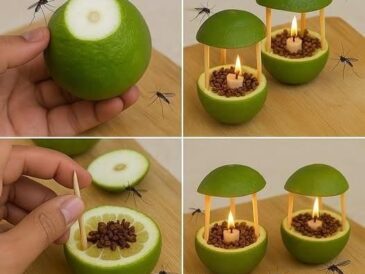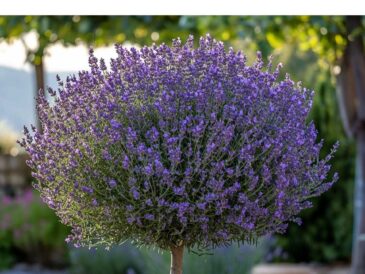
Use lemon seeds to brighten up rooms, closets, or even refrigerators.
Ideas:
- Simmering potpourri: simmer seeds with water, lemon peel, cinnamon sticks, cloves. The scent diffuses through the home.
- Sachets: dry the seeds, combine with dried herbs or citrus peels, put in small cloth sachets—tuck into closets, drawers, or cars.
- Refrigerator deodorizer: dry seeds (fully), put in small open container in fridge.
6. DIY Insect Repellent
The aroma of citrus is disliked by many insects. Lemon seeds may help reduce insect presence in small areas.
Methods:
- Crush a few seeds and sprinkle around windowsills, doors, garden pots.
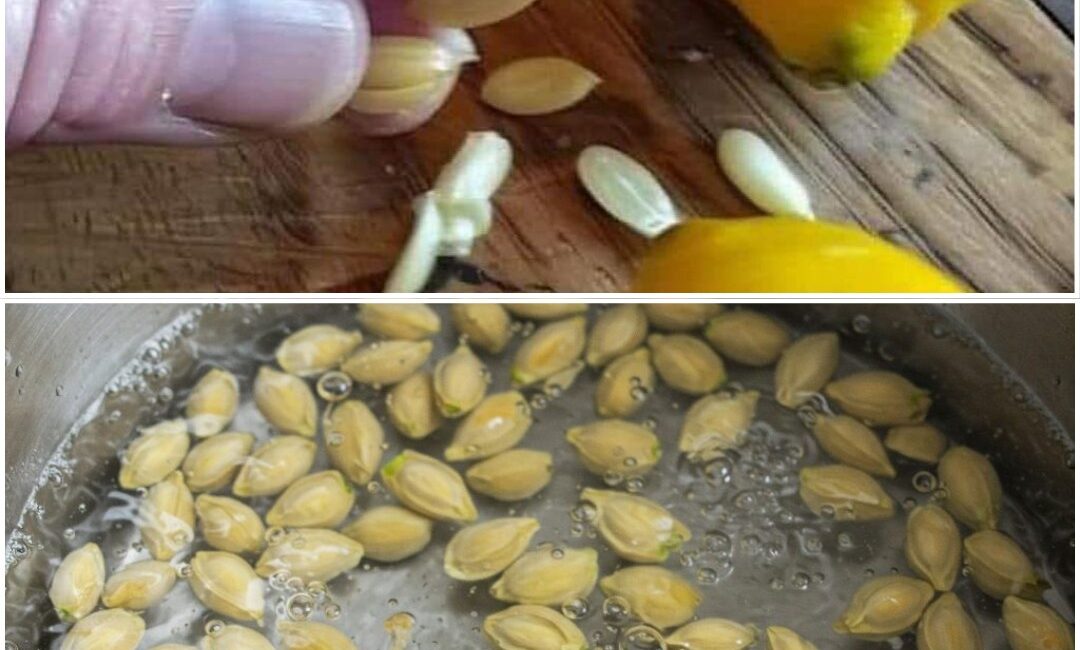
- Prepare an infusion: boil seeds in water, cool, then spray around baseboards, pet bedding, or outdoor seating areas.
- Combine with essential oils such as citronella, eucalyptus for stronger effect.
7. Mild Household Cleaner
Seeds can assist in cleaning greasy surfaces or removing grime, especially when combined with other natural cleansers.
Cleaner paste:
- Blend powdered seeds + baking soda + a bit of water or vinegar into paste.
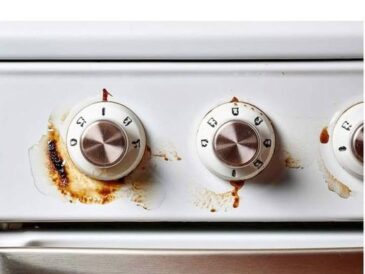
- Apply to greasy pots, pans, sinks, or stovetops. Scrub gently.
- Rinse thoroughly.
Infused vinegar cleaner:
- Add cleaned seeds to white vinegar. Let sit for several days.
- Strain seeds, then use vinegar infusion as spray cleaner for glass, countertops, etc.
8. Digestive Aid (In Moderation)
While lemon seeds are bitter and somewhat tough, some traditional practices use them in small, prepared forms to help digestion.
How:
- Dry and very finely grind seeds.
- Use a tiny pinch in teas, smoothies, or warm water.
- Alternatively, infuse a few in boiling water for several minutes, then strain and drink in small amount.
Caveats:
- Flavor is bitter, so used sparingly.
- Not suitable for everyone: people with sensitive stomachs or digestive conditions should be cautious.
9. Soothing Foot Bath or Spa Treatment
Lemon seeds can be part of a relaxing spa experience.
Foot bath idea:
- Dry or slightly crush seeds.
- Add to warm foot bath with water + Epsom salt + a few drops of essential oil (optional).
- Soak for 10–20 minutes. The crushed seeds give a mild exfoliation, the aroma is pleasant.
Other spa uses:
- Combine with sugar / salt / soap for body scrub.
- Use in bath salts or foot soaks to refresh tired feet.
10. DIY & Decorative / Educational Projects
Use lemon seeds for creative projects or learning.
Examples:
- Potpourri décor: mix dried seeds, citrus peels, dried flowers, essential oils for decorative bowls or jars.
- Educational seed germination project with children: plant seeds, track growth. Teaches botany and patience.
- Texture art / craft: use seeds in mosaics or glued art (sealed with varnish) as part of natural decoration.
- Homemade scented beads: embed seeds in air‑dry clay or salt dough, dry, then bake or air dry. They look decorative, smell citrus.
Preparing and Storing Lemon Seeds
To get good results from all these uses, you need to prepare and store lemon seeds properly.
- Cleaning: rinse immediately after juicing to remove pulp.
- Drying:
- Spread out on paper towel or cloth.
- Air dry for several days.
- Alternatively, use low heat in oven (around 35‑50°C / 95‑120°F) for 1‑2 hours (monitor to prevent burning).
- Grinding or crushing: depending on intended use—exfoliant or powder.
- Storage: keep seeds or seed powder in a clean, dry, airtight container. Store in a cool, dark place. For oil infusions, dark bottles help.
- Labeling: date and note the preparation (e.g. “exfoliant powder”, “infusion seeds”) to avoid confusion or spoilage.
Example Routine: How to Use Lemon Seeds in Your Daily Life
Here’s how you might integrate several of these uses in a typical week:
- Monday: After using lemon in cooking, save seeds. Clean, and dry a batch.
- Tuesday: Grind some for an exfoliating face scrub in the evening.
- Wednesday: Infuse oil with a portion of the seeds for hair or skin.
- Thursday: Use seeds in a simmer pot with peels and spices for natural scent in kitchen.
- Friday: Make a seed‑based paste for cleaning greasy stovetop.
- Saturday: Do a foot soak with crushed seeds + salt.
- Sunday: Plant one or two seeds as part of a small gardening corner project.
Over time, you’ll accumulate enough prepared seeds to use repeatedly and see cumulative benefits in savings, ambiance, and health.
Limitations & Potential Downsides
While lemon seed reuse is full of potential, there are a few limitations to keep in mind:
- Bitterness / texture: Seeds are naturally bitter and somewhat hard; not all uses will be pleasant.
- Flavor interference: In food or drink, the flavor may overpower unless carefully used.
- Allergies / skin sensitivity: Citrus oils can irritate some skin types. Always patch test.
- Mold risk: If not dried properly, seeds can develop mold, making them unusable or potentially harmful.
- Limited potency: The residual compounds in seeds are less concentrated than in j uice, zest, or peel, so effects are modest—don’t expect “miracle” results for serious health conditions.
SEO Keywords & Phrasings to Include
To make this article perform well in search engines, consider integrating the following keywords and phrases naturally:
- reuse lemon seeds
- what to do with lemon seeds
- lemon seed beauty hacks
- natural cleaning with lemon seeds
- DIY lemon seed exfoliant
- gardening lemon seed germination
- eco friendly home cleaning
- citrus seed uses
Also use headings (H2, H3), bullet lists, step‑by‑step instructions, images with alt‑text, and internal links to your related content.
Conclusion
Never toss away those lemon seeds again. What many consider waste is actually a resource bursting with possibilities—beauty treatments, cleaning power, home fragrance, garden experiments, and even mild health or digestion aids. With just a little care in cleaning, drying, and creativity, those seeds can serve many purposes, save money, and reduce waste.
So next time you squeeze a lemon, pause. Collect the seeds. Let them dry. Try one of these clever uses. You might be surprised how a tiny, tossed‑aside seed can brighten your skin, fragrance your home, nourish your garden—and remind you that often, the most overlooked things are the most valuable.