2. Combating Digestive Disorders
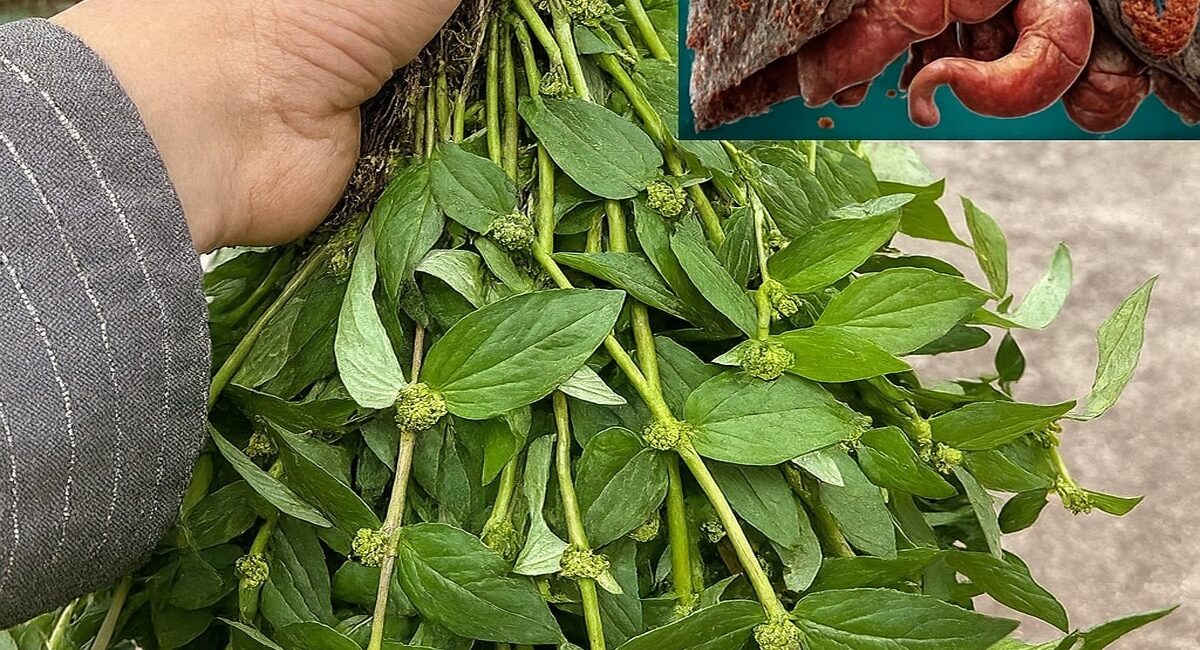
Diarrhea and dysentery remain common health issues, especially in developing countries. Euphorbia hirta’s astringent and antimicrobial properties make it an effective traditional remedy.
- How it helps: Tannins in the plant reduce intestinal inflammation and fluid loss, while antimicrobial effects curb infection-causing organisms.
- Preparation: Leaf extracts or teas are consumed to relieve stomach cramps and diarrhea.
- Scientific evidence: Studies confirm its ability to decrease diarrhea frequency and severity.
3. Skin and Wound Healing
Applying Euphorbia hirta topically can accelerate wound healing and combat skin infections.
- How it helps: Antimicrobial and anti-inflammatory compounds reduce infection risk and soothe irritation.
- Preparation: A paste made from crushed leaves is applied directly to wounds or skin lesions.
- Scientific evidence: Research shows increased wound contraction and reduced microbial growth.
How to Prepare and Use Euphorbia hirta Safely
If you are interested in exploring Euphorbia hirta as a natural remedy, here are some common ways to prepare and use it:
Making Euphorbia hirta Tea (Decoction)
Ingredients:
- 10-15 fresh or dried leaves
- 2 cups of water
Instructions:
- Wash the leaves thoroughly.
- Boil water in a pot.
- Add the leaves and simmer for 10-15 minutes.
- Strain the liquid and allow it to cool.
- Drink 1 cup twice daily for respiratory or digestive issues.
Preparing a Leaf Paste for Topical Use
Ingredients:
- Fresh Euphorbia hirta leaves
Instructions:
- Wash the leaves thoroughly.
- Crush or grind the leaves to form a paste.
- Apply directly to wounds, boils, or irritated skin.
- Rinse off after 30 minutes or leave on as needed.
Important Safety Tips:
- Patch Test: The milky sap of Euphorbia species can be irritating. Always perform a patch test before topical use.
- Avoid Eye Contact: The sap can cause severe irritation if it gets into the eyes.
- Pregnancy and Breastfeeding: Consult a healthcare provider before use.
- Consult Your Doctor: If you have pre-existing conditions or are taking medications.
Potential Side Effects and Precautions
While Euphorbia hirta offers many benefits, it’s crucial to use it responsibly.
- The plant’s latex sap can cause skin irritation or allergic reactions.
- Excessive consumption may lead to gastrointestinal discomfort.
- Not recommended for young children or pregnant women without medical advice.
- Always use in moderation and avoid combining with other strong medications without consultation.
Growing Euphorbia hirta at Home
One of the beauties of Euphorbia hirta is its ease of cultivation. If you want a fresh supply of this medicinal herb, here’s how you can grow it:
- Climate: Thrives in tropical and subtropical climates but can grow indoors in pots.
- Soil: Prefers well-drained soil, moderate watering.
- Sunlight: Partial to full sun.
- Propagation: Grows easily from seeds or stem cuttings.
- Care: Minimal maintenance needed; resistant to pests.
Growing your own Euphorbia hirta can provide fresh leaves year-round for making teas or topical remedies.
Euphorbia hirta in Modern Herbal Medicine
The renewed interest in natural and traditional medicine has brought Euphorbia hirta into focus for researchers and herbalists alike. It is now included in many herbal supplements aimed at supporting respiratory health and digestive wellness.
Phytopharmaceutical companies are investigating ways to isolate and standardize its active compounds for safer, more effective formulations. This plant exemplifies how ancient knowledge can inspire modern health solutions.
Conclusion: Embracing the Precious Powers of Euphorbia hirta
Euphorbia hirta may be a humble weed, but its medicinal potential is profound. From easing asthma symptoms to calming digestive issues and healing skin ailments, this plant offers a natural, affordable, and accessible remedy for many common health problems.
By combining traditional wisdom with scientific validation, Euphorbia hirta stands as a testament to nature’s healing power. Whether consumed as a tea, applied as a topical paste, or cultivated in your garden, this precious plant deserves a place in your natural health toolkit.
As always, approach any herbal remedy with respect and caution. Consult healthcare professionals when necessary, especially for serious or chronic conditions. But don’t overlook the gifts nature offers — sometimes, the most powerful remedies grow quietly around us.