Small Brands vs. Big Brands: Who’s More Transparent?
Interestingly, smaller or family-owned brands are often more transparent with their customers. Because they rely heavily on brand loyalty and word-of-mouth, they’re more likely to:
- Use clear packaging
- Maintain consistent quantities
- Avoid deceptive marketing
On the other hand, larger corporations, with thousands of SKUs and global distribution networks, are under constant pressure from shareholders. Profit growth often means reducing input costs — and shrinkflation becomes a go-to tactic.
Real-World Scenarios Where You’ve Been Tricked Without Knowing
Here are some everyday examples of packaging deception you’ve likely encountered — and probably never noticed:
🧃 Juice Boxes
What used to be 12 oz is now 10 oz — with a narrower, taller shape to mask the difference.
🧼 Dish Soap
The bottle size is the same, but the formula is diluted — so you use more, and buy more often.
🥣 Cereal Boxes
Same box dimensions, but the depth is smaller, and the bag inside is half full.
🥫 Canned Goods
New pull-tab lids often mean less food inside due to the design shift.
What This Means for the Future of Shopping
If trends continue, consumers may see:
- More aggressive packaging strategies
- Further reduction in content
- Price stability on the surface, but skyrocketing cost per use
- Greater need for personal finance education and product literacy
At the same time, educated shoppers are becoming more demanding. Transparency, sustainability, and ethical manufacturing are becoming essential for brand survival.
How Consumers Are Fighting Back
The average shopper is smarter than ever — and they’re beginning to fight back:
- Boycotts and social media call-outs when deceptive practices are uncovered.
- Buying in bulk, where shrinkflation is less common.
- Shopping from local producers who maintain transparency.
- Reading labels, comparing brands, and using tools like price trackers.
- Demanding accountability from their favorite brands.
Final Thoughts: Don’t Be Fooled by Familiarity
It’s easy to assume the products we buy every day have stayed the same — same name, same packaging, same spot on the shelf. But in reality, many have changed subtly, and not always in your favor. The box may be the same, but what’s inside is less.
You don’t have to accept shrinkflation or deceptive packaging. By staying alert, checking the details, and educating yourself on what you’re actually getting, you protect your wallet, your health, and your right to honest products.
📌 Key Takeaway
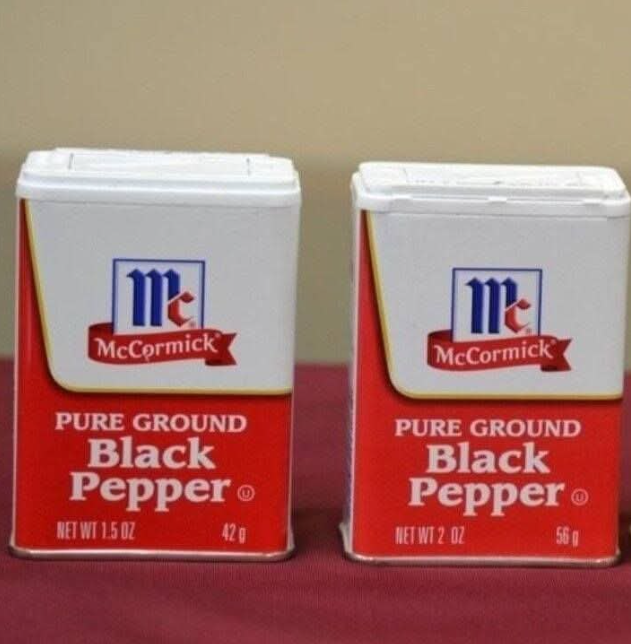
If something seems the same — but doesn’t feel the same — check again. That pepper tin, that cereal box, that lotion bottle… it might be playing tricks on you.