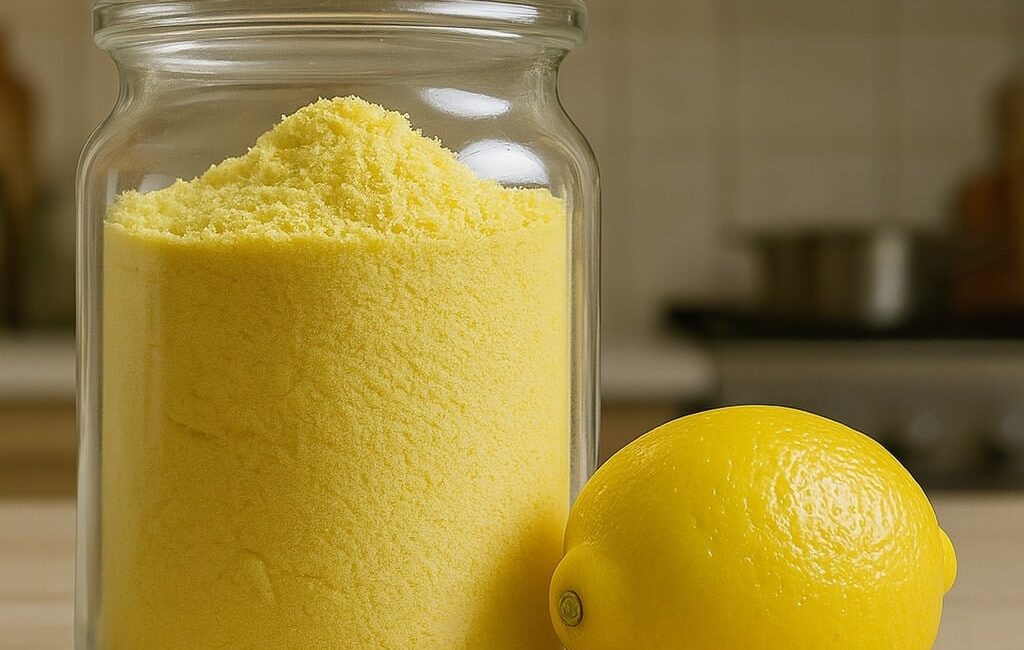
In the vast world of flavor enhancers, few ingredients offer the vibrant, tangy, and refreshing notes of lemon. Yet, fresh lemons, while versatile and delicious, can sometimes be cumbersome to handle, store, or incorporate seamlessly into dry recipes. Enter lemon powder — a concentrated, shelf-stable, and intensely flavorful ingredient that is quickly becoming a must-have in kitchens ranging from home cooking to gourmet restaurants.
Whether you’re a culinary enthusiast, a professional chef, or someone who loves to add a bright twist to everyday dishes, understanding how to make and use lemon powder can revolutionize your cooking and baking. In this extensive guide, we’ll dive deep into the art and science of lemon powder: from its preparation to its nutritional advantages, and from practical storage tips to innovative recipes and culinary hacks. Get ready to unlock a new dimension of citrus delight.
What Exactly is Lemon Powder?
Lemon powder is simply dried, finely ground lemon peel or zest. Unlike lemon juice or fresh zest, lemon powder offers a highly concentrated lemon flavor without the moisture that could alter the texture or consistency of your dishes. It captures the aromatic essential oils, the subtle bitterness of the peel, and the tangy brightness in a compact, easy-to-use form.
The powder is usually made by drying lemon zest or peel at low temperatures to preserve volatile oils and then grinding it into a fine powder. This powder is then sifted to achieve a uniform, dust-like texture that can easily blend into both dry and wet ingredients.
Why Use Lemon Powder? The Culinary Edge
1. Intense Flavor Concentration
Just a pinch of lemon powder can amplify the citrus flavor of your dishes. The essential oils concentrated in the peel give a more potent flavor burst than juice or zest alone.
2. Convenient and Shelf-Stable
Unlike fresh lemons, which spoil quickly, lemon powder can be stored for months without losing its flavor if kept in proper conditions. This makes it an economical and waste-reducing alternative.
3. Ideal for Dry and Moisture-Sensitive Recipes
Because it is moisture-free, lemon powder can be incorporated into dry rubs, seasoning blends, baking mixes, or any recipe where added liquid could compromise texture.
4. Versatility Across Culinary Applications
From enhancing sweet baked goods to brightening savory meat rubs, lemon powder’s uses span a remarkable range of recipes.
5. Nutritional Benefits
Containing antioxidants and a modest amount of vitamins and minerals from the peel, lemon powder offers healthful compounds including flavonoids and limonene, supporting anti-inflammatory effects.
Step-by-Step Guide: How to Make Lemon Powder at Home
Making lemon powder at home is simple and requires minimal tools. Here’s how:
Ingredients and Equipment
- Fresh organic lemons (preferably unwaxed)
- Zester or microplane grater
- Baking sheet or dehydrator trays
- Oven or food dehydrator
- Spice grinder, coffee grinder, or blender
- Airtight storage container
Preparation Process
Step 1: Choose the Right Lemons
Select fresh, organic lemons free from wax or chemical coatings. Organic lemons ensure you are grinding clean zest without pesticides.
Step 2: Zest the Lemons
Using a microplane or fine grater, carefully remove the yellow zest from the lemons. Avoid the white pith underneath as it is bitter.
Click page 2 for more